10 Easy Upcycling Ideas to Give Old Items a New Life
Give old items a new purpose with these easy upcycling ideas for your home, garden, and everyday life.
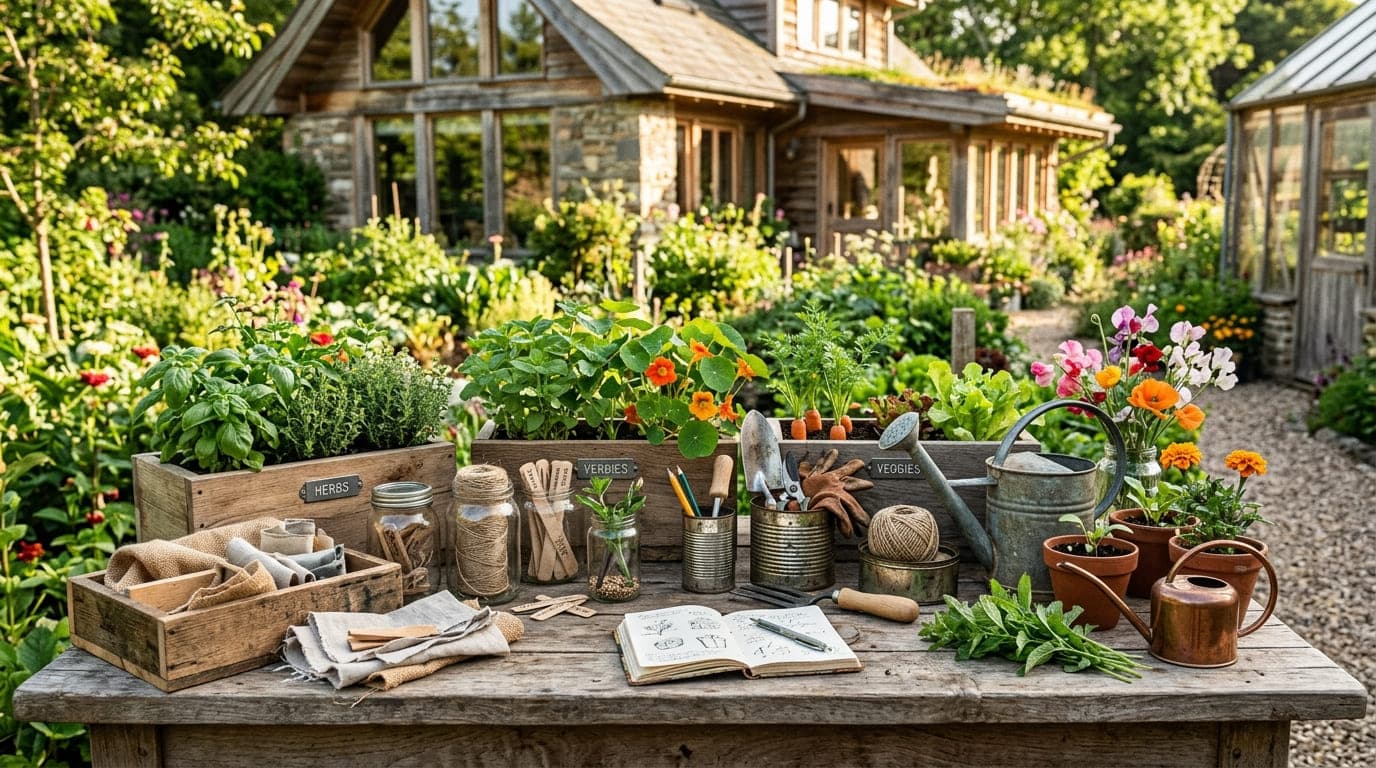
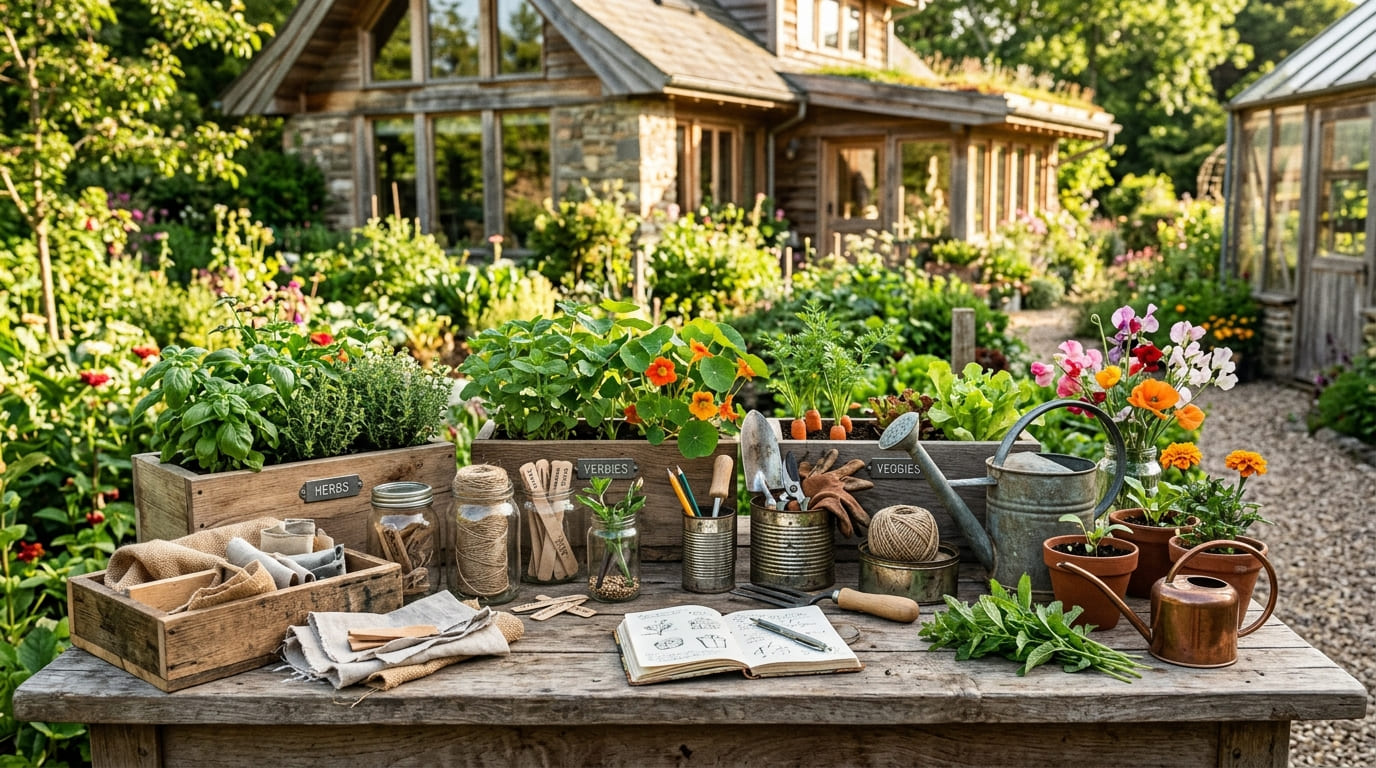
10 Easy Upcycling Ideas to Give Old Items a New Life
Upcycling is a simple way to turn things you no longer need into something useful, beautiful, or practical. Instead of throwing old items away, you can give them a second life with a little creativity.
You do not need expensive materials or advanced DIY skills to start. Many of the best upcycling ideas use everyday items already sitting around your home.
From glass jars and old containers to furniture and wooden materials, almost anything can inspire a useful project. Here are ten easy ideas to help you get started.
1. Turn Old Jars Into Useful Storage
Glass jars are one of the easiest items to upcycle. Instead of recycling them immediately, wash them thoroughly and reuse them as storage containers.
- Store dried herbs and spices.
- Organize small craft supplies.
- Keep seeds and gardening accessories together.
- Use them for homemade cleaning solutions.
A simple label or natural fabric cover can also make old jars look attractive while keeping your storage organized.
2. Create Planters From Old Containers
Old containers can become attractive planters with very little effort. This is especially useful if you want to create a small garden without buying many new pots.
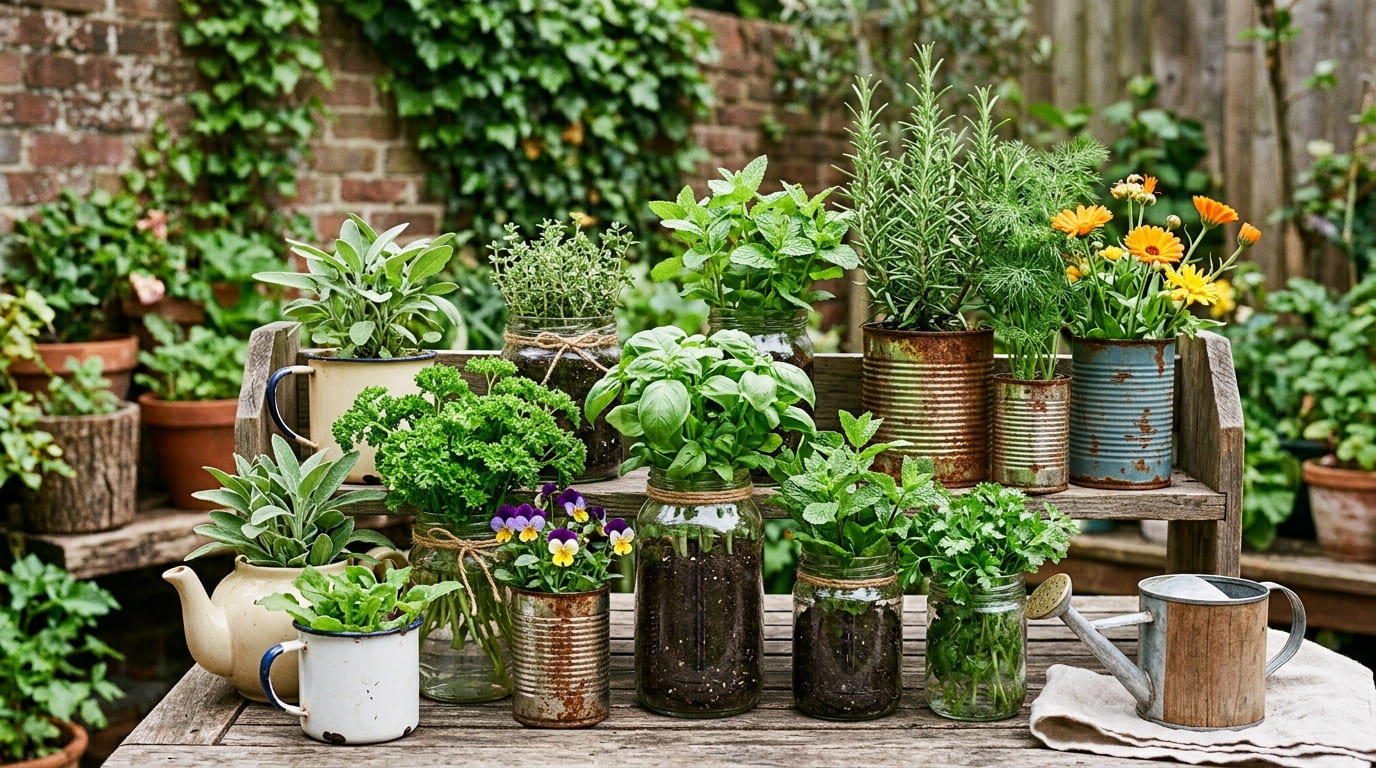
Before planting, make sure the container is suitable for outdoor use and has enough drainage. Paint or decorate the outside if you want a more personalized look.
3. Give Old Furniture a Second Life
An old chair, small table, cabinet, or wooden shelf does not necessarily belong in the trash. With cleaning, sanding, repairing, or repainting, old furniture can become useful again.
Easy furniture upcycling ideas
- Turn an old chair into a plant stand.
- Transform a small table into a garden workspace.
- Reuse an old shelf for plant storage.
- Convert a wooden cabinet into organized storage.
The goal is not to make the furniture perfect. A few visible signs of age can actually give an upcycled piece more character.
4. Reuse Cardboard Boxes for Organization
Cardboard boxes are often used once and quickly thrown away. Instead, reuse sturdy boxes as organizers for drawers, shelves, closets, or gardening supplies.
You can cover them with leftover fabric or recycled paper to create a cleaner appearance. This is a practical project that costs almost nothing.
Quick Tip
Keep a few strong cardboard boxes in a dry storage area. They can be useful for organizing seeds, tools, cables, craft materials, and other small household items.
5. Transform Old Cans Into Decorative Containers
Empty metal cans can be cleaned and reused as small containers for herbs, flowers, stationery, or household organization.
If you use them as planters, make sure there are appropriate drainage holes and smooth any sharp edges before handling them.
You can leave the metal finish visible for an industrial look or decorate the exterior with safe materials for a warmer appearance.
6. Build a Simple Vertical Garden From Reused Materials
Upcycling can also help you make better use of limited outdoor space. Old wooden boards, containers, or suitable reclaimed materials can be combined to create a simple vertical garden.
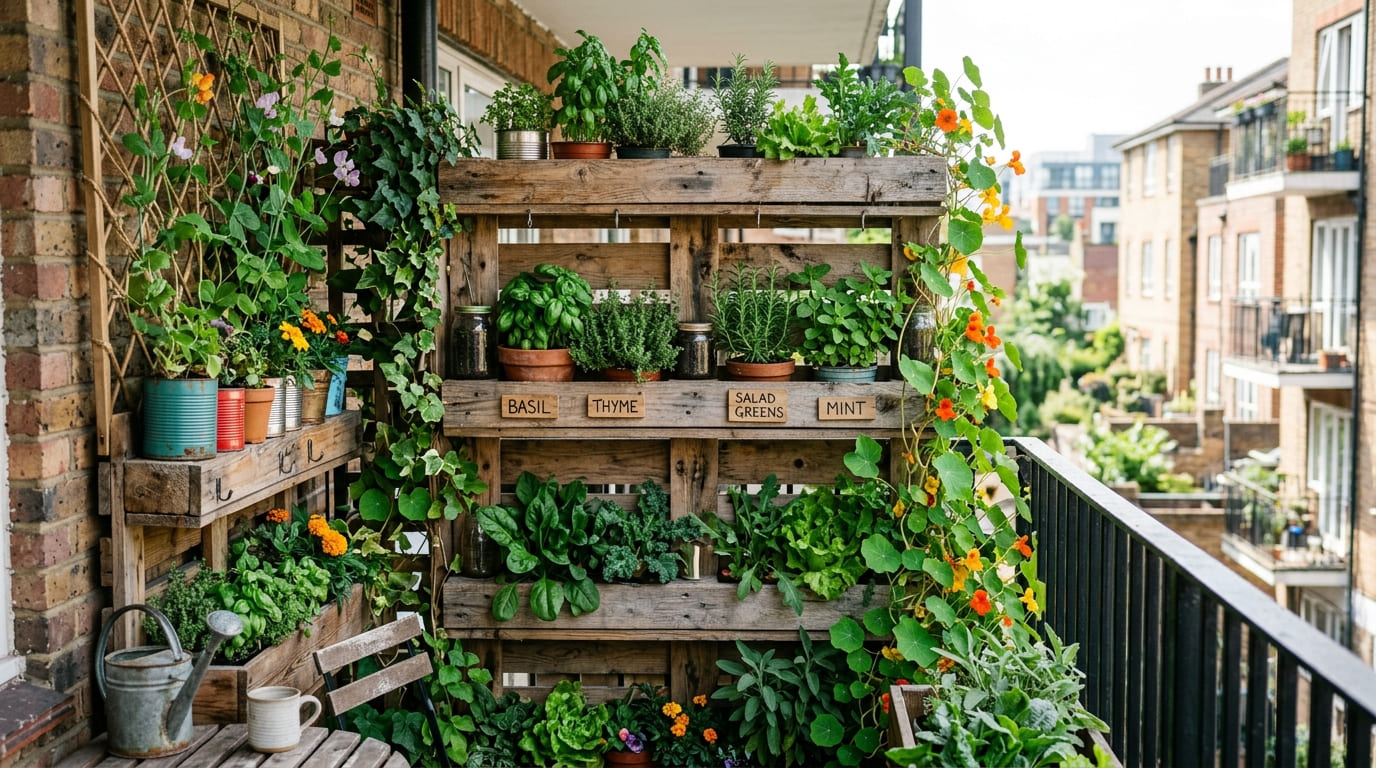
Vertical projects work particularly well for herbs, leafy greens, small flowers, and selected climbing plants.
- Choose a strong and stable structure.
- Make sure containers are securely attached.
- Provide enough drainage.
- Check that plants receive suitable sunlight.
7. Turn Old Wooden Materials Into Garden Projects
Reclaimed wood can be extremely useful for creative garden projects. Depending on its condition and suitability, old boards can become shelves, planters, small storage areas, or decorative garden structures.
Always inspect reused wood carefully. Avoid materials that are rotten, contaminated, or unsuitable for the intended use.
Simple ideas to try
- Build a small herb shelf.
- Create a basic garden tool rack.
- Make a simple planter box.
- Build a small trellis for climbing plants.
8. Reuse Fabric for Everyday Items
Old clothes, towels, curtains, and fabric pieces can often be reused instead of thrown away. They can become cleaning cloths, plant ties, storage bags, or simple decorative elements.
This is one of the easiest ways to start upcycling because it requires little equipment and can reduce the need to buy new disposable products.
9. Create a DIY Garden Tool Station
If you have unused wood, containers, hooks, or old storage pieces, consider turning them into a simple garden tool station.
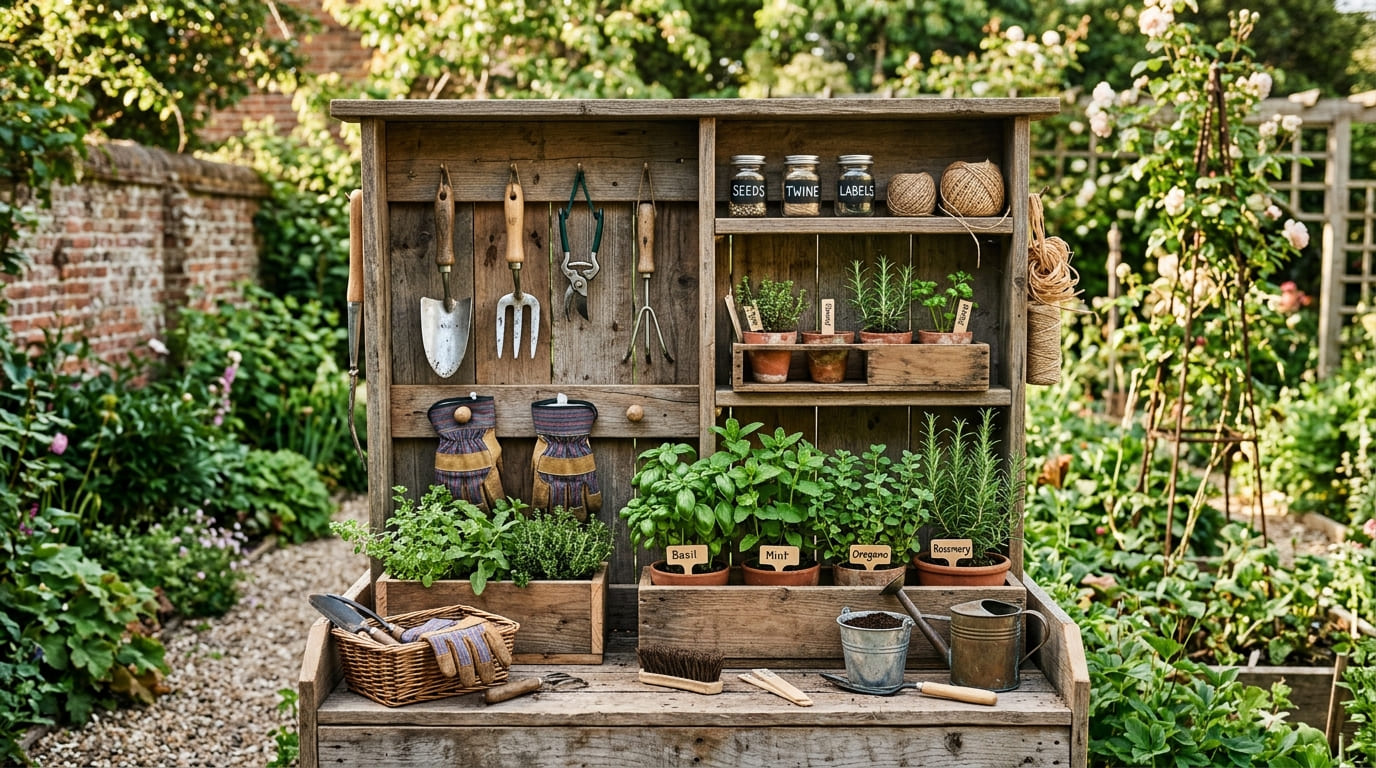
Keeping tools in one dedicated place makes gardening easier and helps prevent useful equipment from getting lost or damaged.
- Use hooks for hand tools.
- Add small containers for gloves and accessories.
- Keep frequently used tools within easy reach.
- Protect materials from excessive moisture.
10. Make Simple Upcycled Home Decor
Upcycling does not have to be purely practical. Old objects can also become attractive decorations for your home.
Glass bottles, wooden pieces, old frames, fabric, baskets, and containers can all become decorative objects when combined with a simple design.
The best approach is to keep the project simple. Natural materials and visible textures can create a warm look without requiring complicated decorations.
How to Choose the Right Upcycling Project
Before starting a project, look around your home and identify items that are unused but still in good enough condition to be useful.
Ask yourself:
- Can this item safely be reused?
- What problem could it solve?
- Do I already have the materials needed?
- Will the finished project actually be useful?
Starting with something simple makes the process more enjoyable and increases the chance that you will continue exploring upcycling.
Common Upcycling Mistakes to Avoid
Not every old item is suitable for every project. A little planning can help you avoid wasting time or creating something unsafe.
- Do not reuse damaged or contaminated materials.
- Be careful with sharp metal edges.
- Do not use unknown materials for food storage.
- Avoid unstable structures in gardens or homes.
- Do not keep an item simply because it is old—make sure it has a purpose.
Make Your Upcycling More Sustainable
The main goal of upcycling is to extend the useful life of existing materials. For that reason, the most sustainable project is often the simplest one.
Try to use materials you already own, avoid unnecessary purchases, and choose durable designs that can be used for a long time.
Simple Upcycling Checklist
- Look for unused items before buying something new.
- Choose one easy project to start.
- Clean and inspect materials carefully.
- Reuse items for a practical purpose.
- Prioritize durable and safe designs.
- Keep useful leftover materials for future projects.
- Share or donate items that you cannot reuse.
Why Upcycling Is Worth Trying
Upcycling can help reduce unnecessary waste while encouraging creativity. It also gives you a chance to create useful objects without always buying something new.
Whether you are working on a small home project, organizing your garden, or simply looking for ways to reuse everyday objects, there is almost always an opportunity to give something a second life.
Final Thoughts
The best upcycling ideas are not necessarily the most complicated ones. A simple jar turned into storage, an old container transformed into a planter, or unused wood turned into a garden shelf can make a real difference.
Start small, use what you already have, and focus on creating something that you will actually use. Over time, upcycling can become a natural part of a more creative and sustainable lifestyle.
Give Old Things a New Purpose
Start your next upcycling project with something you already have at home. A little creativity can turn forgotten items into something useful, beautiful, and sustainable.
Start Your Next ProjectGet Greener Ideas
Join our newsletter for weekly eco-living tips, gardening guides, and DIY projects.