
10 Eco-Friendly Products for a Greener Everyday Life
Discover eco-friendly products that reduce waste, save resources, and make everyday living more sustainable.
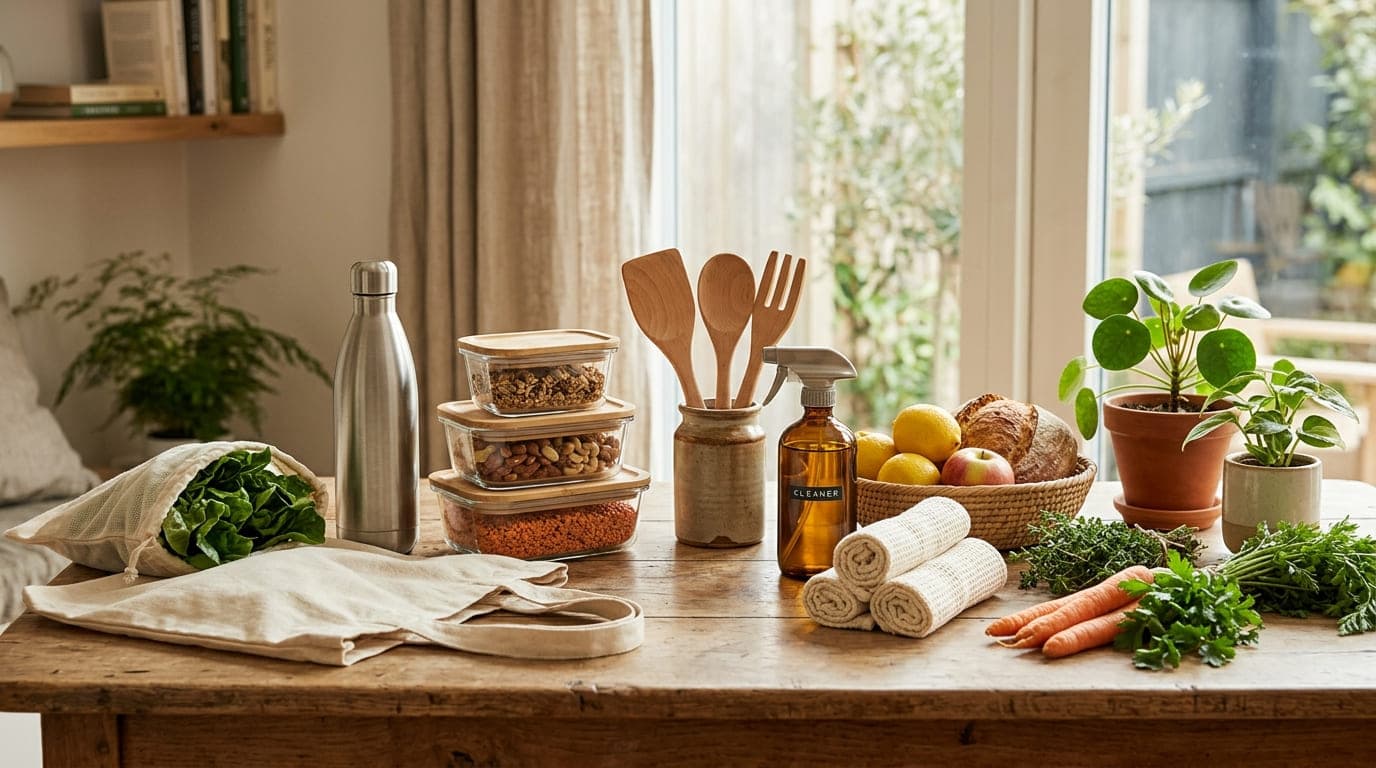
10 Eco-Friendly Products for a Greener Everyday Life
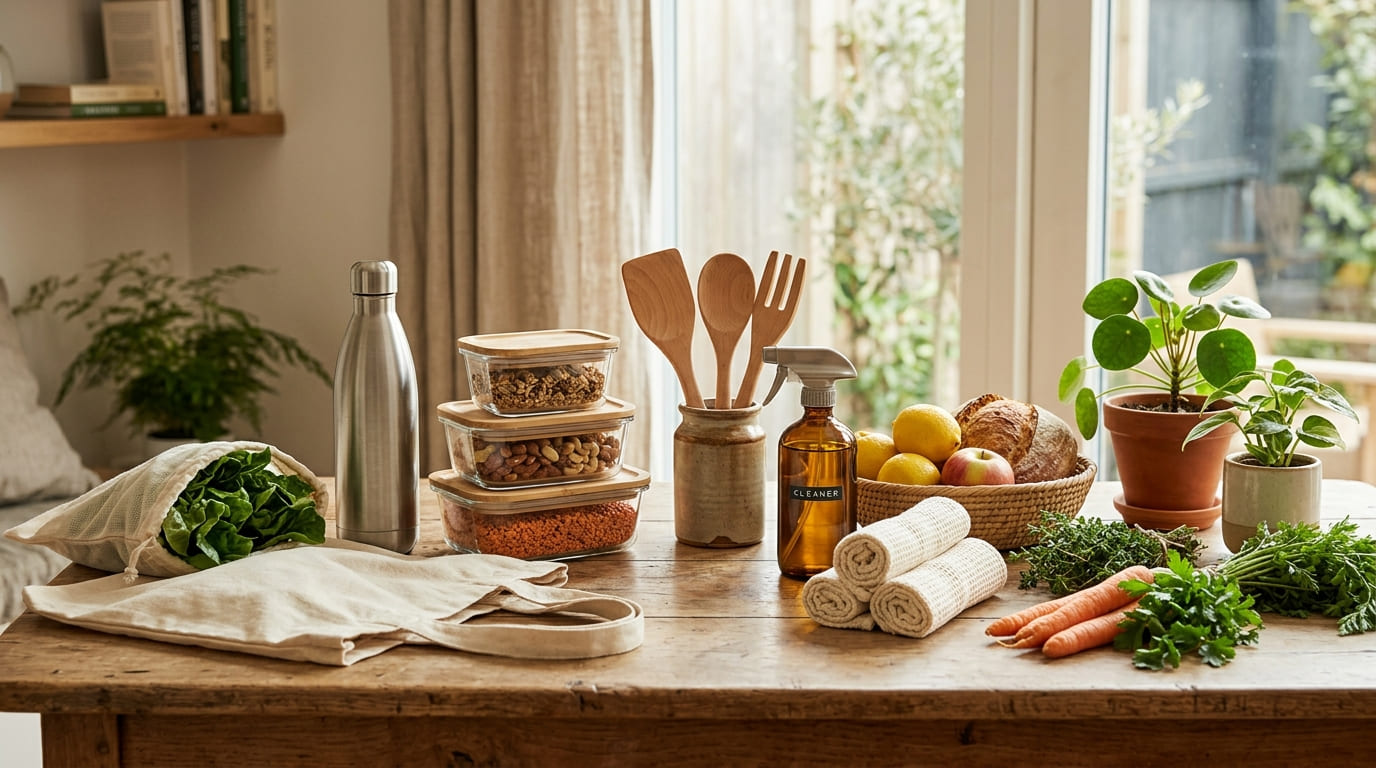
Choosing eco-friendly products does not mean replacing everything you own. A few thoughtful swaps can reduce waste, save resources, and help create a more sustainable lifestyle.
From reusable bottles and shopping bags to refillable cleaning products and durable kitchen essentials, there are many simple ways to make everyday choices greener.
The key is to choose products that are durable, reusable, practical, and genuinely useful. Here are 10 easy categories to consider for your home and daily routine.
1. Reusable Water Bottles
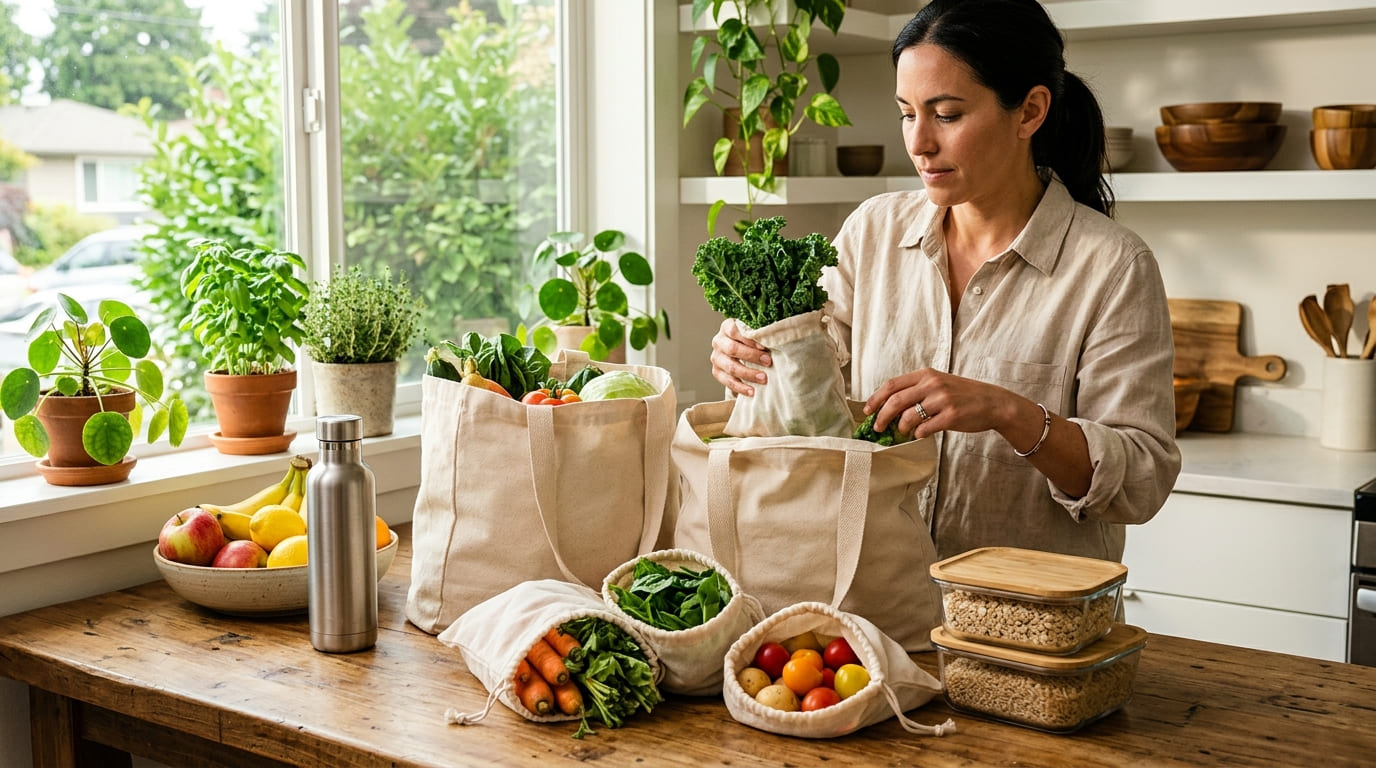
A reusable water bottle is one of the easiest eco-friendly products to add to your daily routine. Instead of buying disposable bottles again and again, you can carry one durable bottle and refill it whenever needed.
- Choose stainless steel or another durable material.
- Look for a size that fits your everyday routine.
- Clean it regularly to keep it fresh.
- Choose quality over extremely cheap alternatives.
Simple tip
Keep your reusable bottle somewhere you will easily see it before leaving home.
2. Reusable Shopping Bags
Reusable shopping bags are practical for groceries, clothing, books, and everyday purchases. They can help reduce your dependence on single-use shopping bags.
Cotton, canvas, recycled fabric, or other durable materials can work well. The most sustainable option is usually the bag you already own and continue using for a long time.
3. Reusable Food Containers
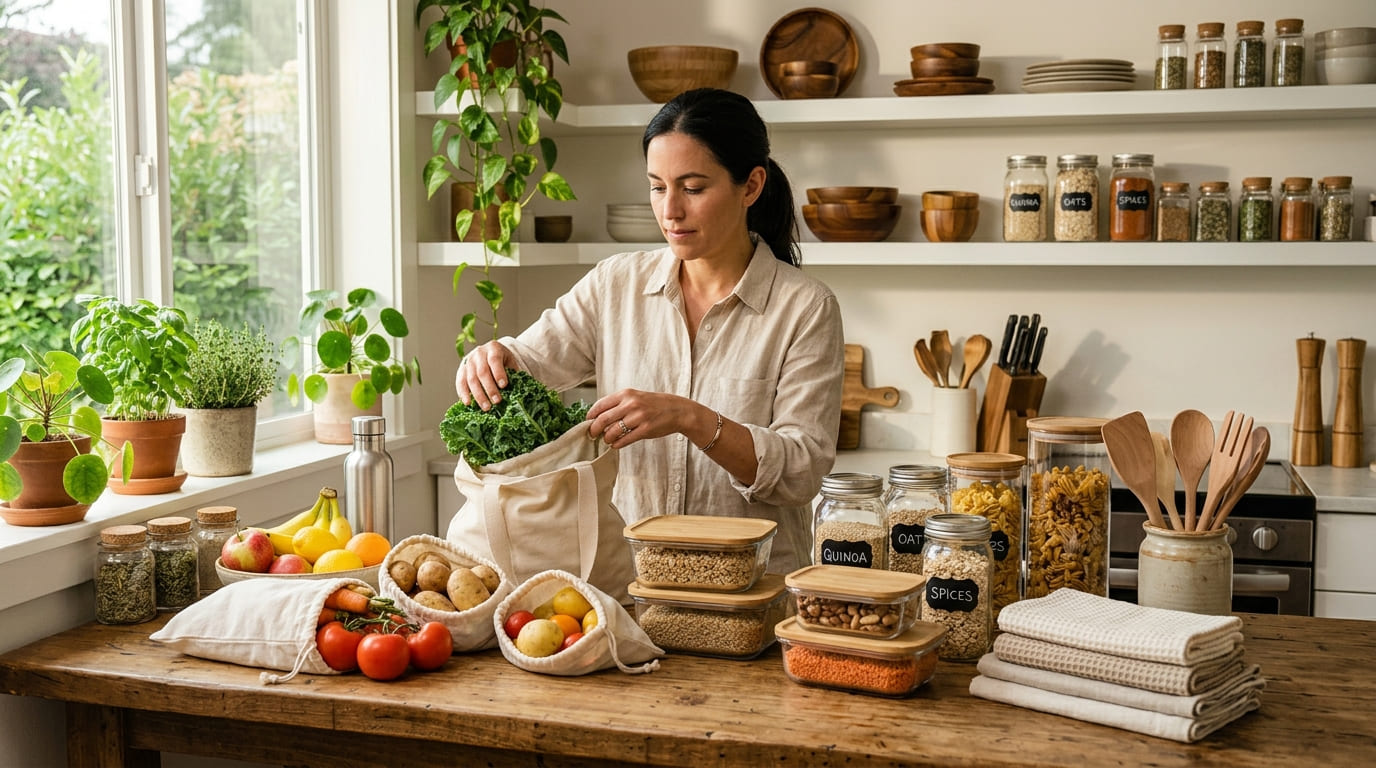
Food storage is another area where reusable products can make a big difference. Durable glass or stainless-steel containers can replace many disposable food-storage options.
- Store leftovers without relying on disposable packaging.
- Use containers for packed lunches.
- Organize dry foods and pantry ingredients.
- Choose containers that are easy to clean and reuse.
4. Refillable Cleaning Products
Instead of buying a new plastic cleaning bottle every time a product runs out, consider refillable systems where practical.
Refillable bottles can help reduce packaging waste while keeping your cleaning routine simple. Reusable cloths can also replace many disposable cleaning wipes.
5. Reusable Kitchen Cloths
Paper towels and disposable wipes are convenient, but reusable cloths can be a practical alternative for many everyday cleaning tasks.
Keep several washable cloths in your kitchen so that you always have one available for spills, countertops, dishes, or general cleaning.
Make it easy
Store clean reusable cloths in one accessible place and create a separate spot for used ones before washing.
6. Reusable Produce Bags
Fresh fruits and vegetables often come with unnecessary packaging. Reusable produce bags can make grocery shopping more sustainable while keeping small items organized.
They are especially useful for loose vegetables, fruits, herbs, grains, and other products that do not need individual plastic packaging.
7. Durable Wooden or Metal Kitchen Tools
Kitchen utensils are used frequently, so choosing durable materials can be a smart long-term decision. Wooden spoons, stainless-steel tools, and other reusable kitchen essentials can last for years when properly cared for.
8. Refillable Personal Care Products
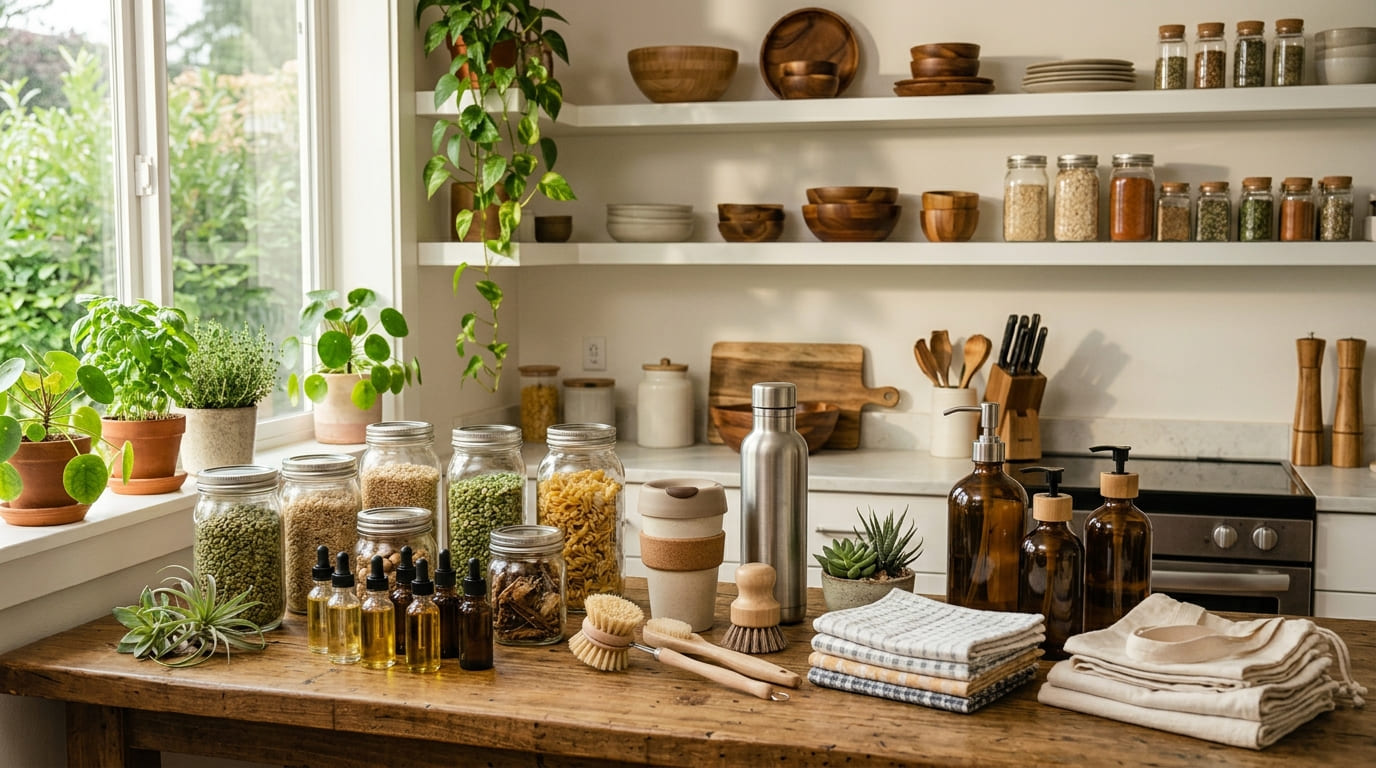
Personal care is another area where refillable or reusable options may reduce packaging waste. Depending on your routine, you might consider refillable soap dispensers, durable containers, or reusable accessories.
Start with products you use frequently rather than trying to change your entire bathroom at once.
9. Reusable Coffee Cups
If you regularly buy coffee or other drinks while away from home, a reusable cup can become a useful everyday item.
- Choose a cup that is comfortable to carry.
- Make sure it is easy to clean.
- Keep it near your bag or keys.
- Use it regularly instead of treating it as an occasional item.
10. Rechargeable Batteries
Rechargeable batteries can be useful for devices that regularly require batteries, such as remotes, cameras, toys, lights, and small electronics.
Instead of repeatedly buying disposable batteries, rechargeable options can be used multiple times when maintained and charged correctly.
How to Choose Truly Eco-Friendly Products
Not every product marketed as "green" is automatically the most sustainable choice. Before buying, think about the product's full life cycle and how often you will actually use it.
- Durability: Will it last for years?
- Reusability: Can you use it many times?
- Repairability: Can damaged parts be repaired?
- Packaging: Does it avoid unnecessary packaging?
- Practicality: Will you genuinely use it?
- Materials: Are the materials appropriate for its intended use?
Common Mistakes to Avoid
Sustainable shopping can become less sustainable when we buy too many new products simply because they are labeled eco-friendly.
- Do not replace perfectly usable items just for aesthetic reasons.
- Avoid buying reusable products you will rarely use.
- Do not assume every natural material is automatically better.
- Look for durability rather than trends.
- Reuse what you already have whenever possible.
Eco-Friendly Shopping Checklist
- Choose reusable products when they fit your routine.
- Prioritize durable materials and long product life.
- Reduce unnecessary packaging.
- Buy fewer products but use them more often.
- Reuse existing items before buying replacements.
- Choose products that are easy to clean and maintain.
Start Small and Build Better Habits
You do not need to buy ten new products to live more sustainably. Start with one or two items that solve a real problem in your daily life.
For example, begin with a reusable water bottle and shopping bag. Once those habits become automatic, consider adding reusable food containers, refillable cleaning products, or durable kitchen tools.
Why Eco-Friendly Products Are Worth Considering
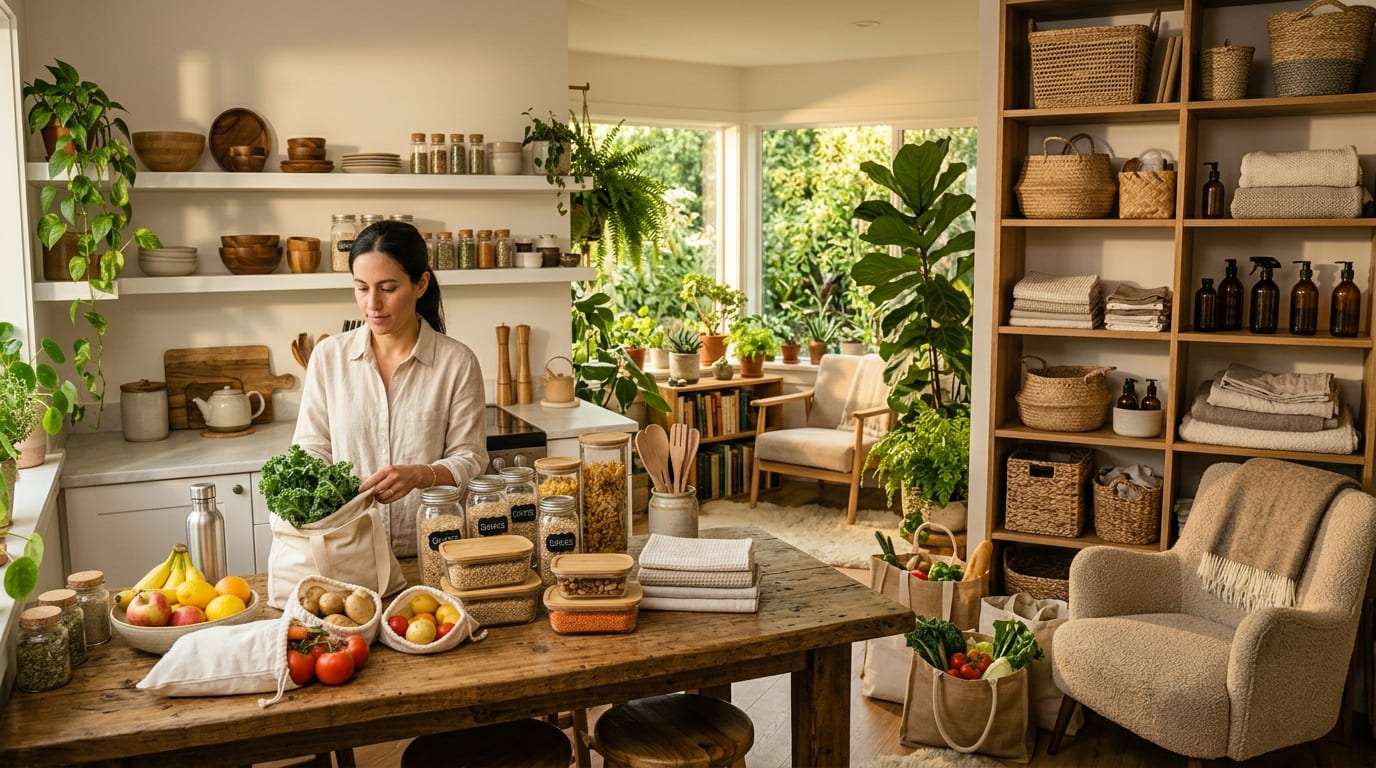
The biggest benefit of eco-friendly products is not simply owning something labeled "green." It is creating habits that use fewer disposable resources and encourage longer-lasting consumption.
When you choose reusable, durable products and actually use them regularly, small changes can become meaningful parts of a more sustainable lifestyle.
Final Thoughts
The best eco-friendly products are the ones that fit naturally into your life and stay useful for a long time. You do not need to change everything at once.
Start with the products you use most often, focus on durability and reusability, and gradually build a greener routine that works for you.
Get Greener Ideas
Join our newsletter for weekly eco-living tips, gardening guides, and DIY projects.