
10 Essential Gardening Guides to Help You Grow with Confidence
Explore practical gardening guides for planting, soil, watering, plant care, pests, and creating a healthier garden.
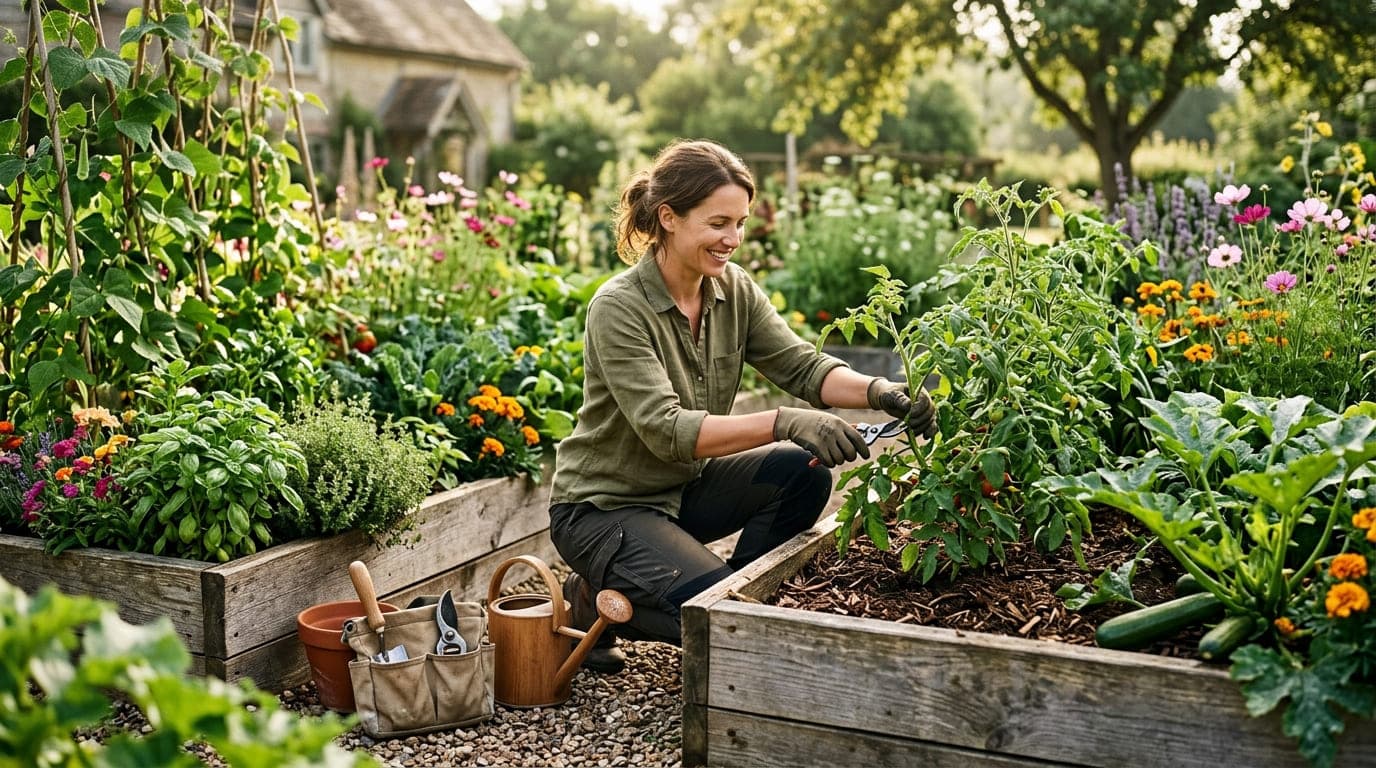
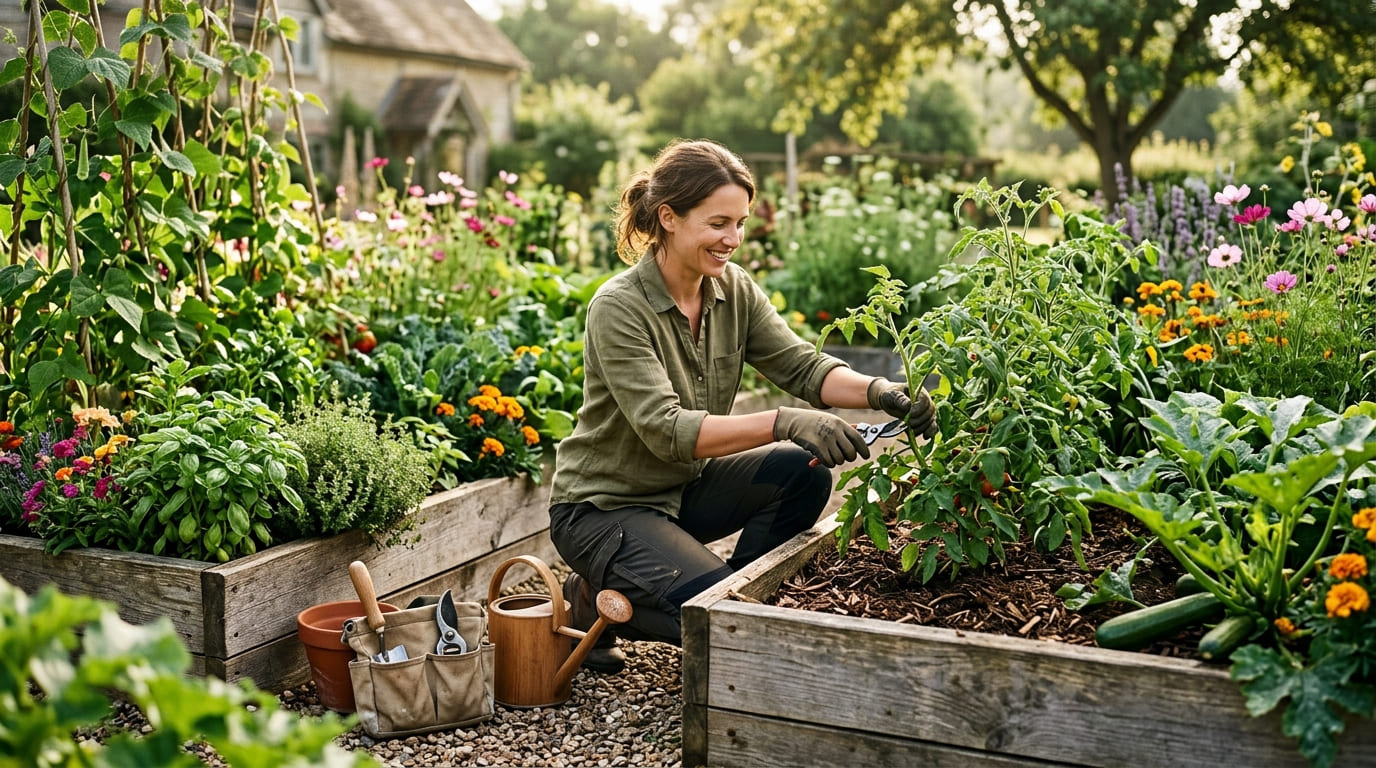
10 Essential Gardening Guides to Help You Grow with Confidence
Gardening becomes much easier when you understand the basics. From preparing soil to watering, planting, pruning, and dealing with common garden problems, the right knowledge can help you make better decisions and grow healthier plants.
1. Start with a Basic Gardening Guide
If you are new to gardening, start with the fundamentals. Learn how sunlight, soil, water, temperature, and plant spacing affect growth.
You do not need to know everything before planting. Start with a few simple plants and learn from what happens in your garden.
Beginner Tip
Choose easy-care plants first. Building confidence with a small garden is often easier than managing a large space immediately.
2. Learn How to Choose the Right Plants
Good plant selection can prevent many gardening problems. Before buying a plant, check its sunlight, soil, water, and space requirements.
- Check whether it needs full sun, partial shade, or shade.
- Consider the mature size of the plant.
- Choose plants suitable for your growing conditions.
- Think about how much maintenance you can provide.
3. Understand Soil and Compost
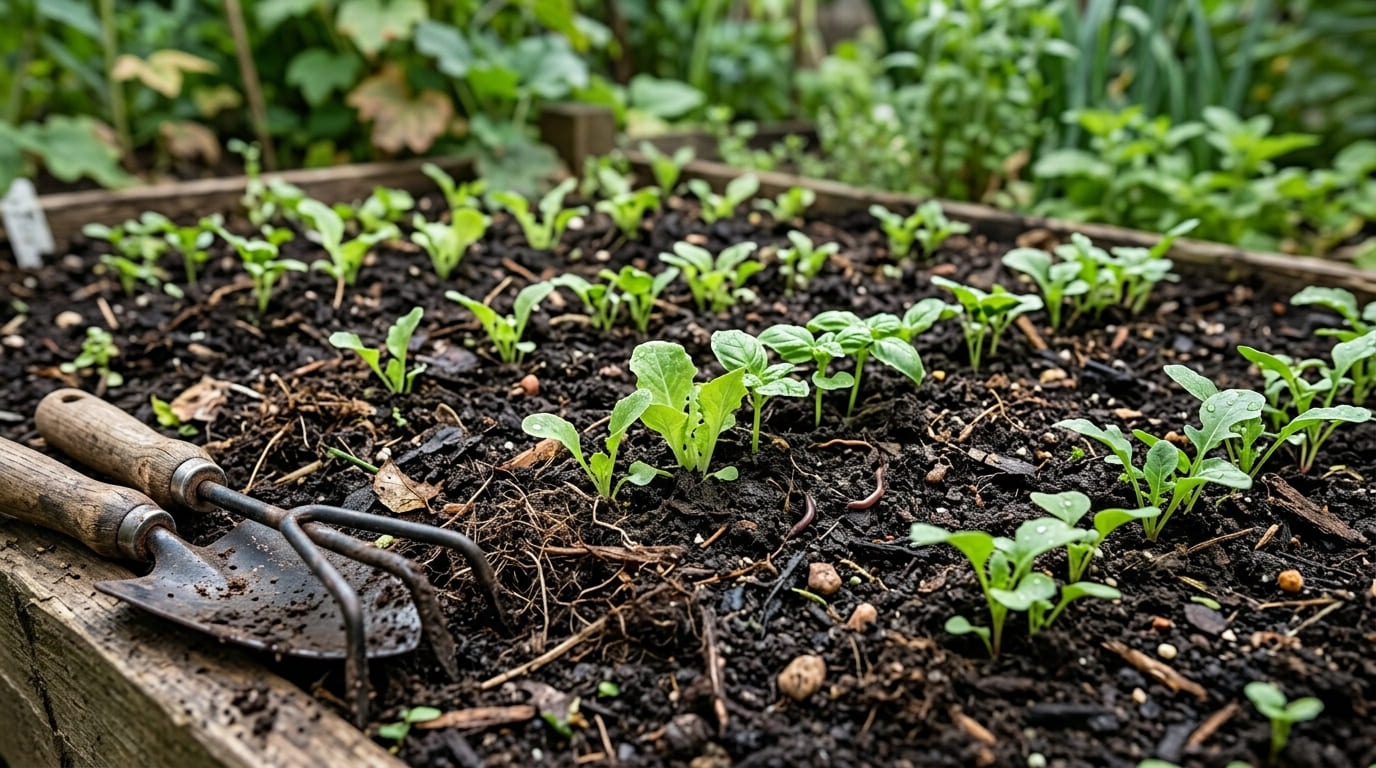
Healthy soil gives plants a strong foundation. Good soil supports roots, holds moisture, provides air, and helps plants access nutrients.
Adding suitable mature compost or organic matter can improve soil structure and support long-term garden health.
4. Follow a Smart Watering Guide
Watering is one of the most common areas where gardeners make mistakes. Too much water can create problems, while too little can stress plants.
Simple Watering Rules
- Check the soil before watering.
- Water the root zone instead of the leaves when practical.
- Adjust watering according to weather conditions.
- Avoid wasting water on paths and bare ground.
5. Learn Basic Plant Care
Healthy plants benefit from regular observation and simple maintenance. Check leaves, stems, soil, and new growth regularly.
Remove damaged growth when appropriate, keep the growing area clean, and give plants enough room to develop naturally.
6. Understand Natural Pest Management
Garden pests are a normal part of growing plants. Instead of immediately reaching for strong treatments, first identify the problem and consider practical non-chemical approaches where suitable.
- Inspect plants regularly.
- Remove damaged leaves when appropriate.
- Encourage a diverse garden environment.
- Avoid unnecessary treatments.
- Use suitable pest-control methods for the specific problem.
7. Learn Basic Pruning Techniques
Pruning can help maintain the shape and health of many plants when done correctly. However, different plants have different pruning requirements.
Before cutting, learn when the plant should be pruned and which growth should be removed. Avoid unnecessary pruning simply to change a plant's natural shape.
8. Create a Simple Garden Maintenance Routine
A simple routine can make garden care much easier. Instead of waiting until problems become large, spend a few minutes regularly checking your plants and growing areas.
- Check soil moisture.
- Inspect plants for damage.
- Remove weeds when necessary.
- Check mulch and exposed soil.
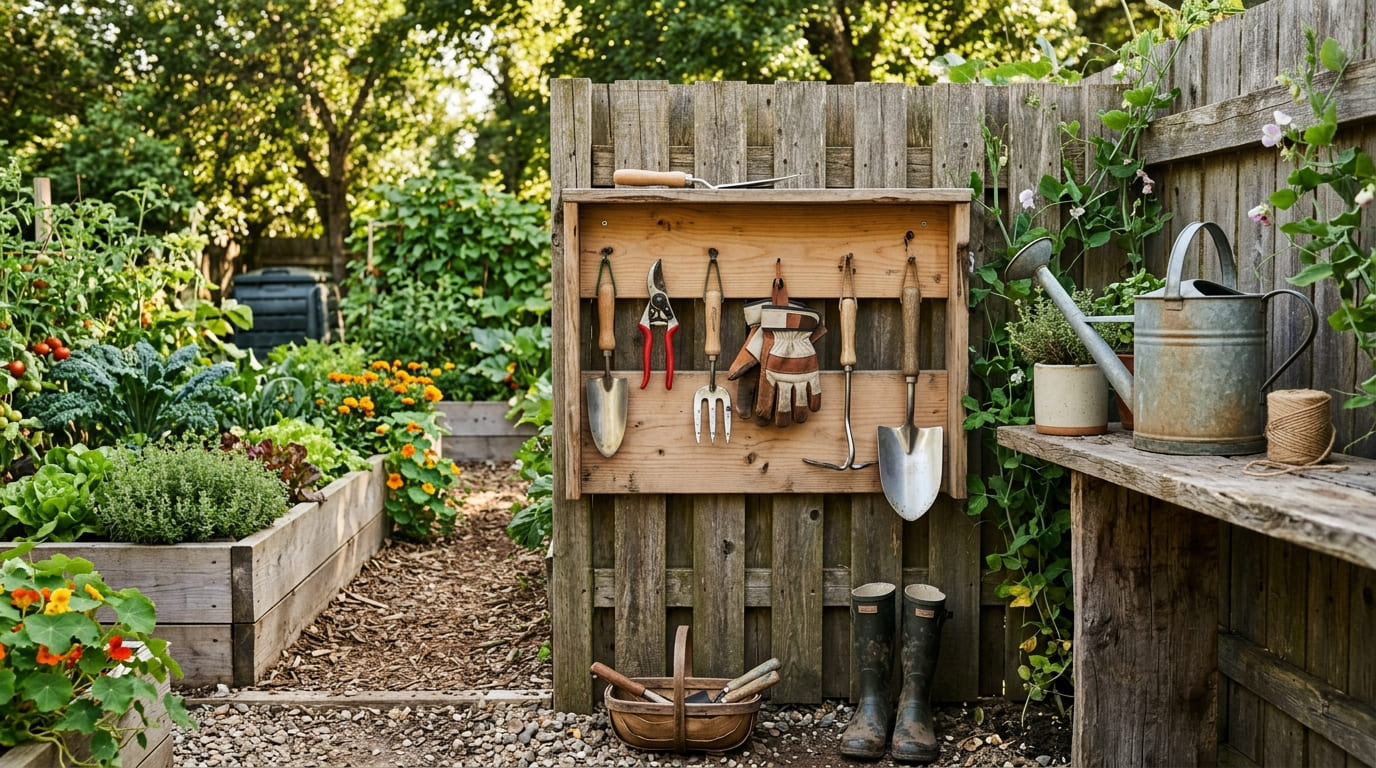
- Clean and organize gardening tools.
9. Learn How to Garden More Sustainably
Sustainable gardening focuses on using resources thoughtfully while creating a healthy environment for plants and wildlife.
Compost suitable organic waste, reduce unnecessary water use, reuse containers when practical, choose durable tools, and consider plants suited to your local conditions.
Simple Sustainable Habit
Start with one change, such as composting garden waste or reducing unnecessary watering, and build your sustainable routine gradually.
10. Learn from Your Garden
One of the best gardening guides is your own experience. Pay attention to which plants grow well, where the soil stays wet or dry, and how your garden changes through the seasons.
Keep simple notes about planting dates, successful plants, watering, harvests, and problems. Over time, these observations can help you make better gardening decisions.
How to Use Gardening Guides Effectively
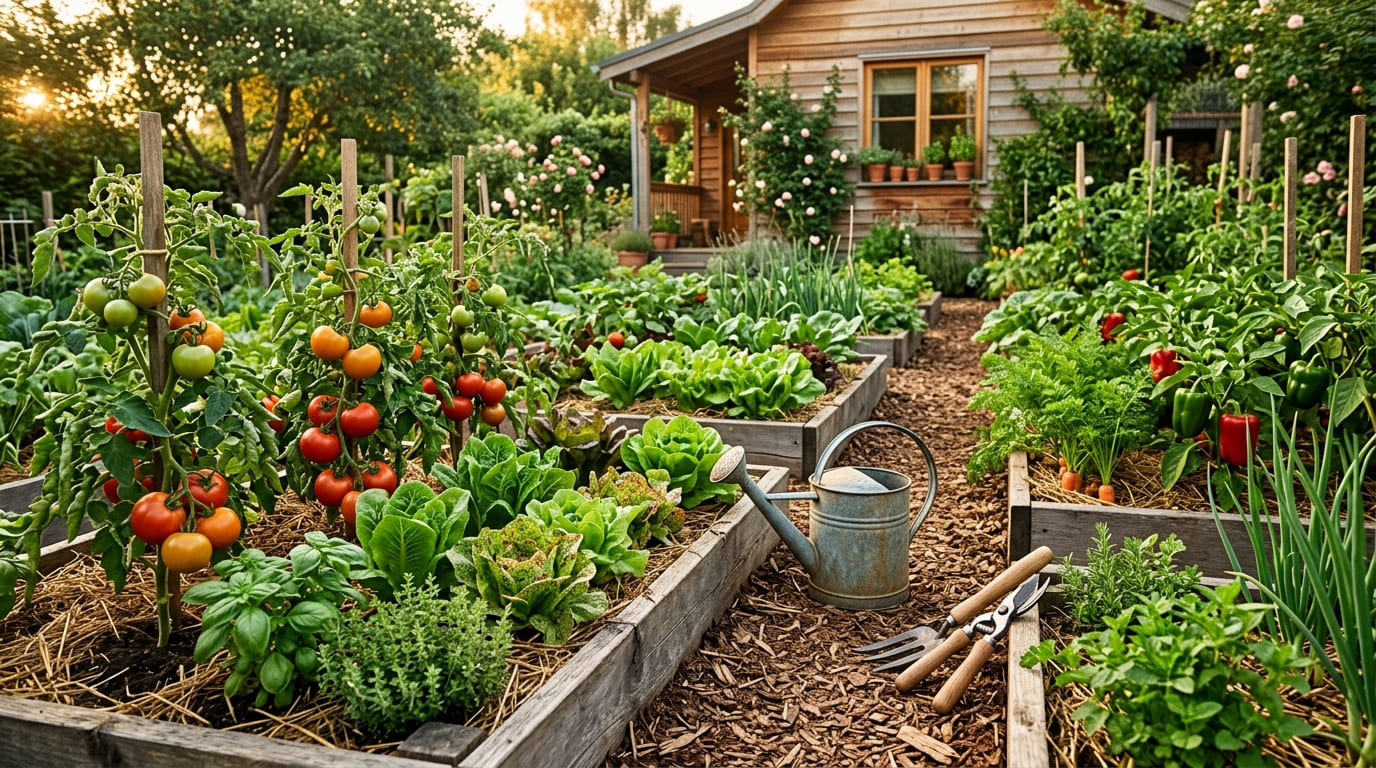
You do not need to read every gardening guide at once. Focus on the information that matches your current garden and your immediate needs.
For example, if you are preparing a new garden, start with soil and plant selection. If your plants are already growing, focus on watering, plant care, pests, and maintenance.
Common Gardening Mistakes to Avoid
- Planting without checking growing requirements.
- Overwatering plants.
- Ignoring soil quality.
- Planting too many varieties at once.
- Using fertilizer without understanding plant needs.
- Ignoring early signs of plant stress.
- Making the garden larger than you can realistically maintain.
Simple Gardening Guide Checklist
Your Gardening Checklist
- Understand your garden's sunlight.
- Choose plants suited to your space.
- Build healthy soil.
- Check soil moisture before watering.
- Inspect plants regularly.
- Maintain suitable spacing.
- Keep gardening tools clean and organized.
- Use sustainable practices where practical.
Why Gardening Guides Are Worth Using
Good gardening information can save time, reduce avoidable mistakes, and help you understand what your plants need.
Whether you are growing vegetables, herbs, flowers, indoor plants, or a combination of them, learning the basics gives you more confidence to experiment and improve.
Final Thoughts
Gardening is a continuous learning process. The more you observe your plants and understand their needs, the easier it becomes to create a healthy and productive garden.
Start with the basics, learn one skill at a time, and use each season as an opportunity to improve your gardening knowledge.
Start Learning Gardening Today
Explore practical gardening guides, learn new skills, and build a healthier garden one simple step at a time.
Explore Gardening GuidesGet Greener Ideas
Join our newsletter for weekly eco-living tips, gardening guides, and DIY projects.