
10 Easy Gardening Tips for a Healthier and More Beautiful Garden
Learn simple gardening tips for healthy plants, better soil, smart watering, and a beautiful garden all year round.
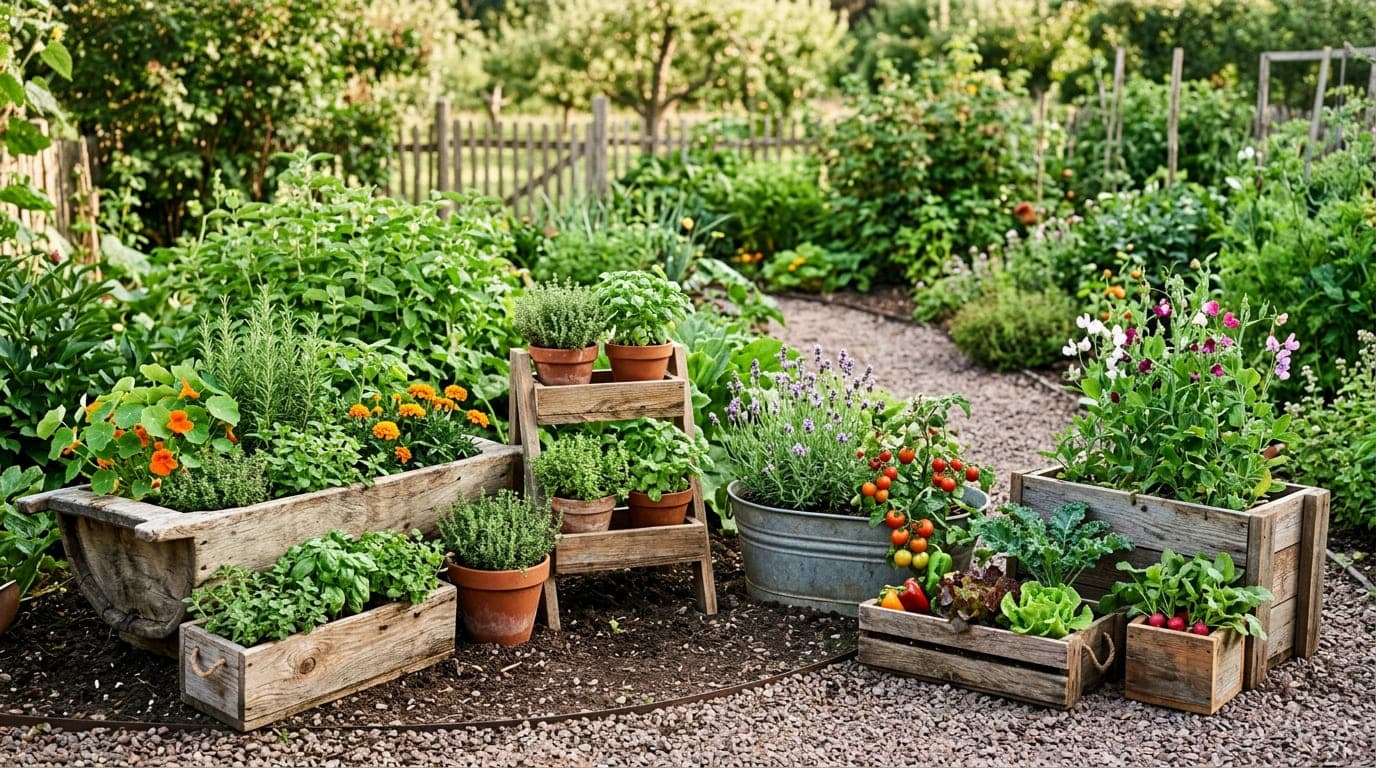
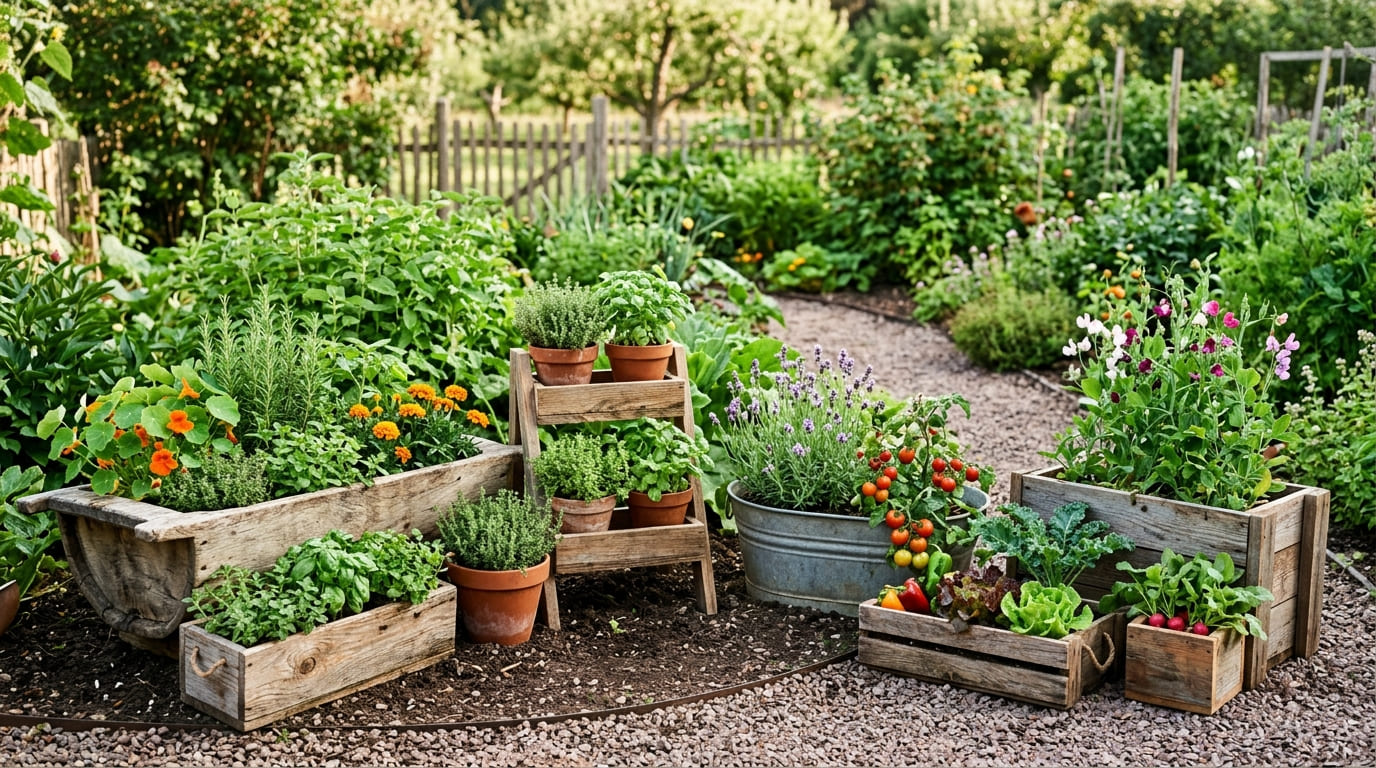
10 Easy Gardening Tips for a Healthier and More Beautiful Garden
Gardening does not have to be complicated. With the right plants, healthy soil, smart watering, and a simple care routine, you can build a garden that stays healthy and enjoyable throughout the seasons.
1. Start by Understanding Your Garden
Before planting anything, take some time to understand your garden. Look at how much sunlight different areas receive, where water collects, and which parts of the garden stay dry.
Knowing your space makes it easier to choose suitable plants and avoid unnecessary maintenance later.
2. Choose Plants That Suit Your Space
One of the easiest ways to make gardening simpler is to choose plants that naturally suit your growing conditions.
- Check how much sunlight the plant needs.
- Consider the available space when the plant reaches maturity.
- Choose plants suited to your local growing conditions.
- Mix easy-care plants with varieties that need more attention.
Gardening Tip
Start with a small number of reliable plants rather than trying to grow too many varieties at once.
3. Build Healthy Soil
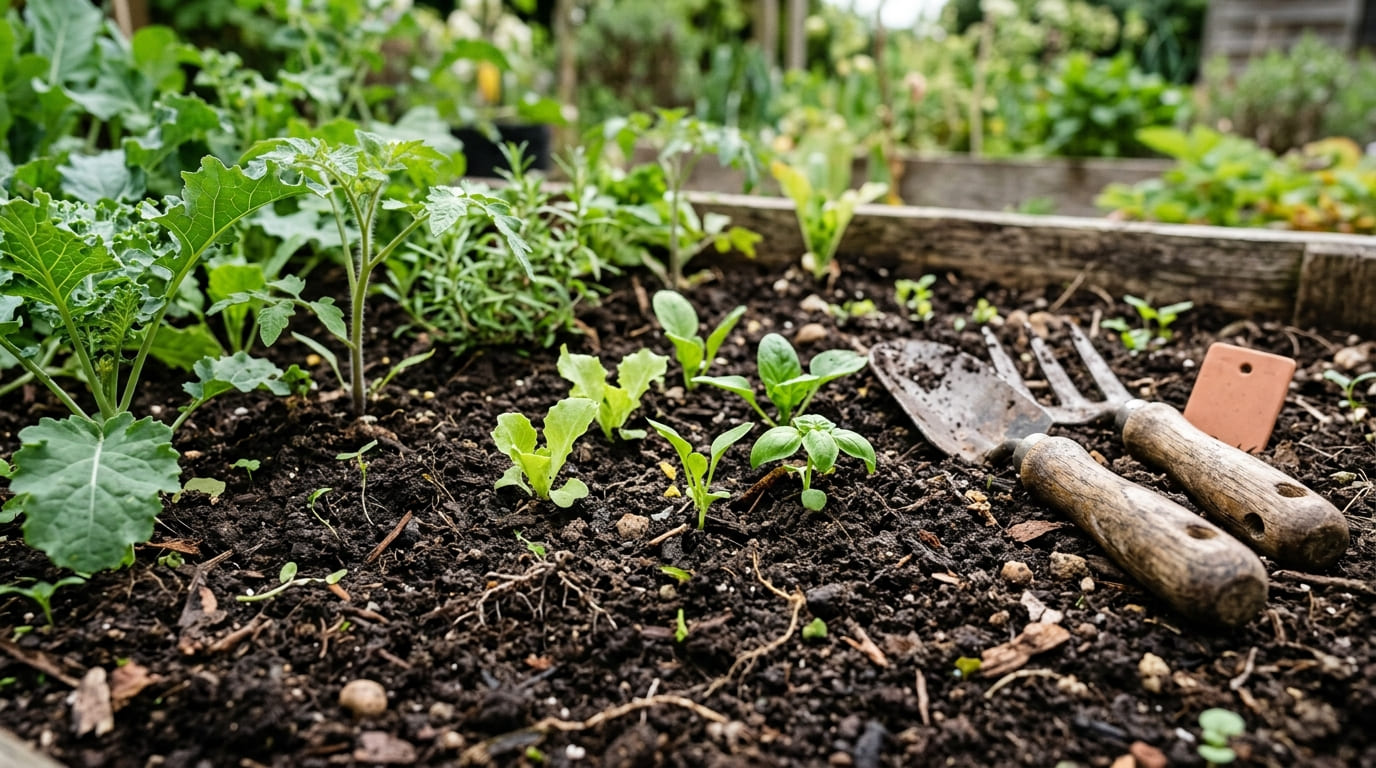
Healthy soil is one of the foundations of successful gardening. Good soil provides plants with support, moisture, air, and nutrients.
Adding mature compost and organic matter can improve soil structure and support healthier plant growth.
4. Water Plants the Right Way
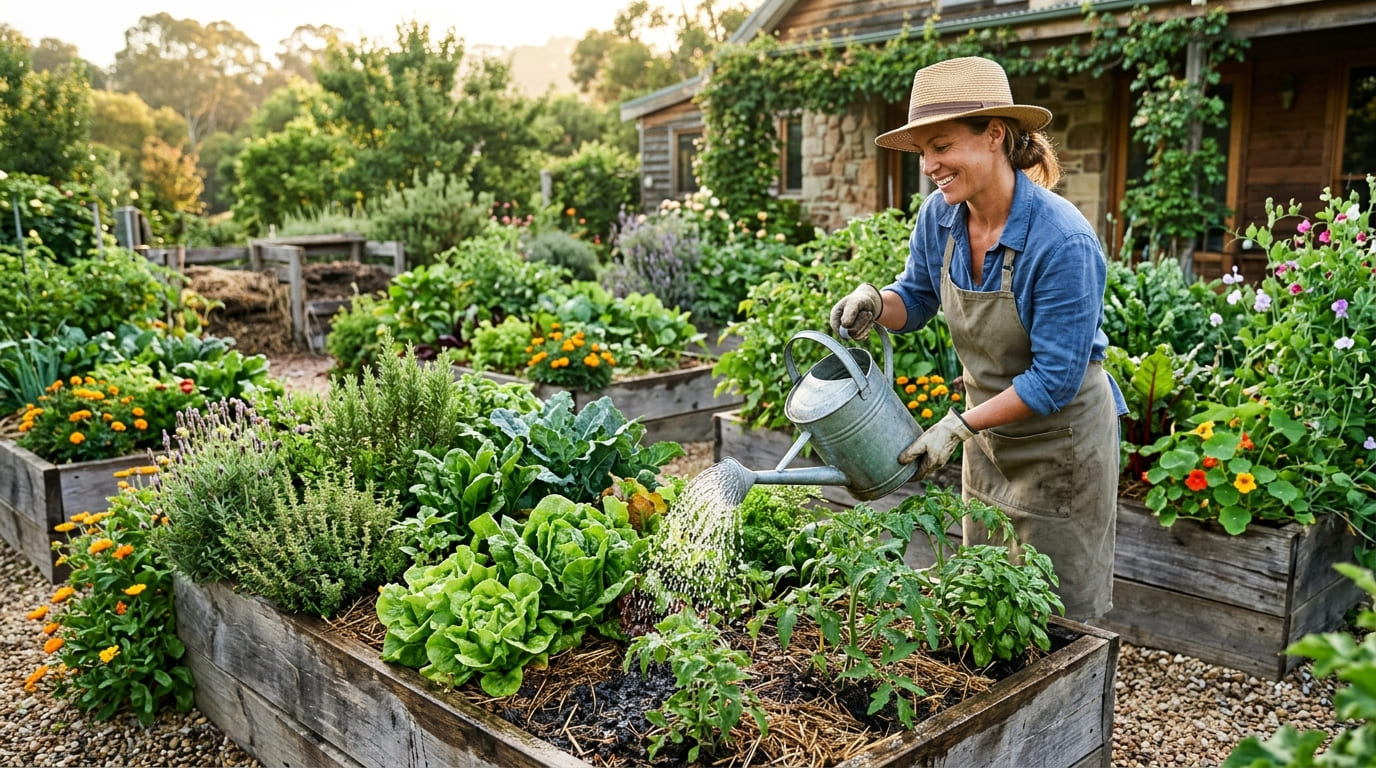
Watering too much or too little can cause problems. Instead of following a fixed watering schedule, check the soil and consider the weather.
Water deeply when plants need it and avoid unnecessary watering when the soil is already moist.
Simple Watering Tips
- Check the soil before watering.
- Water around the root zone.
- Avoid wasting water on paths and bare surfaces.
- Water during cooler parts of the day when practical.
5. Give Plants Enough Space
Crowded plants compete for light, water, air, and nutrients. Good spacing allows plants to grow naturally and makes garden maintenance easier.
Always consider the mature size of a plant instead of only its size when you first purchase or plant it.
6. Protect the Soil with Mulch
Mulch can be a useful addition to many garden beds. It helps cover bare soil and can reduce moisture loss while making the garden look cleaner.
Organic materials such as suitable leaves, straw, or other garden materials can be used depending on your garden and local conditions.
7. Keep an Eye on Your Plants
Regular observation helps you notice problems before they become serious. Look at leaves, stems, soil, and new growth whenever you spend time in the garden.
- Watch for unusual leaf discoloration.
- Check for signs of insects or plant damage.
- Look for wilting or stressed plants.
- Remove damaged growth when appropriate.
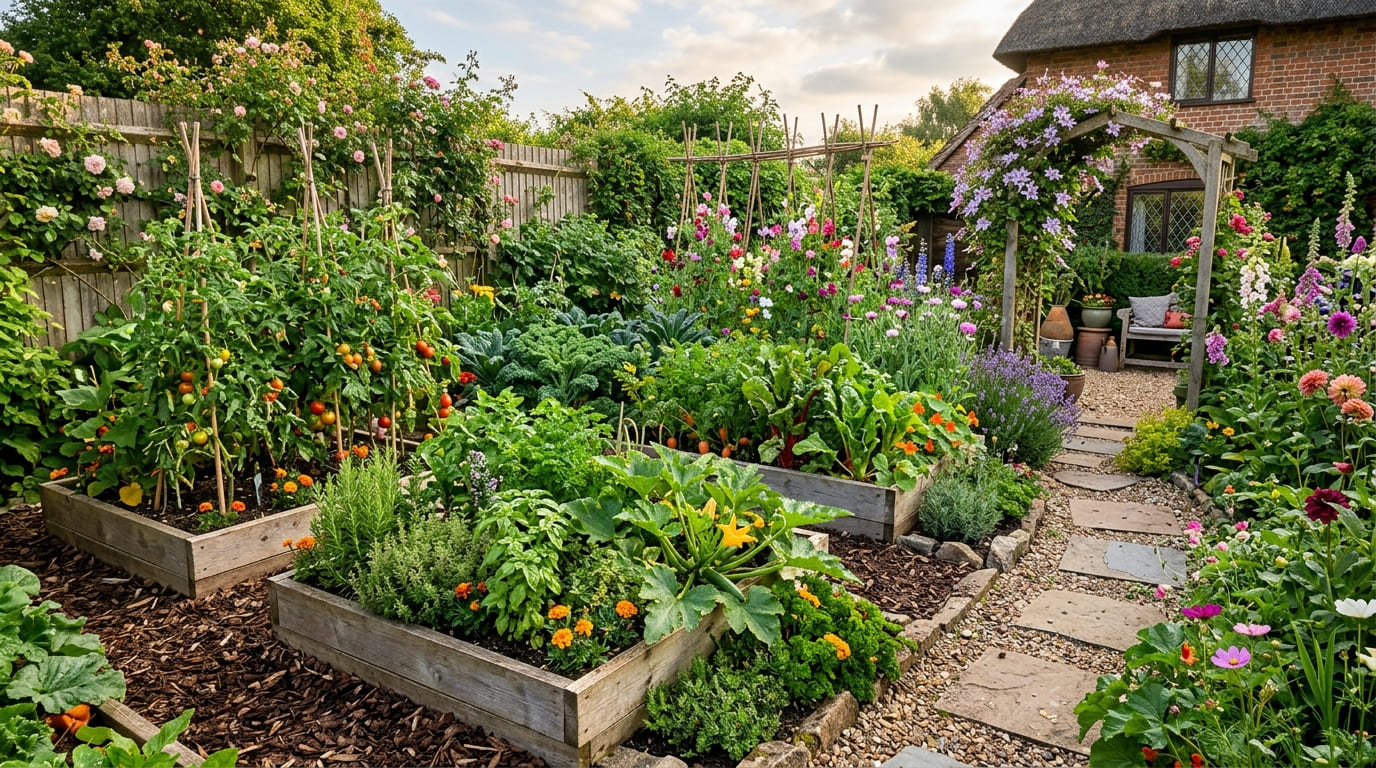
8. Encourage Garden Diversity
A diverse garden can be more interesting and can provide different types of habitat and food sources for beneficial wildlife.
Consider combining vegetables, herbs, flowers, shrubs, and other suitable plants instead of creating a garden made from only one type of plant.
9. Create a Simple Gardening Routine
Consistency is often more useful than spending hours in the garden once every few weeks. A short routine makes it easier to keep plants healthy.
- Check plants regularly.
- Remove weeds before they become difficult to manage.
- Check soil moisture.
- Clean and store gardening tools properly.
- Harvest vegetables and herbs at the right time.
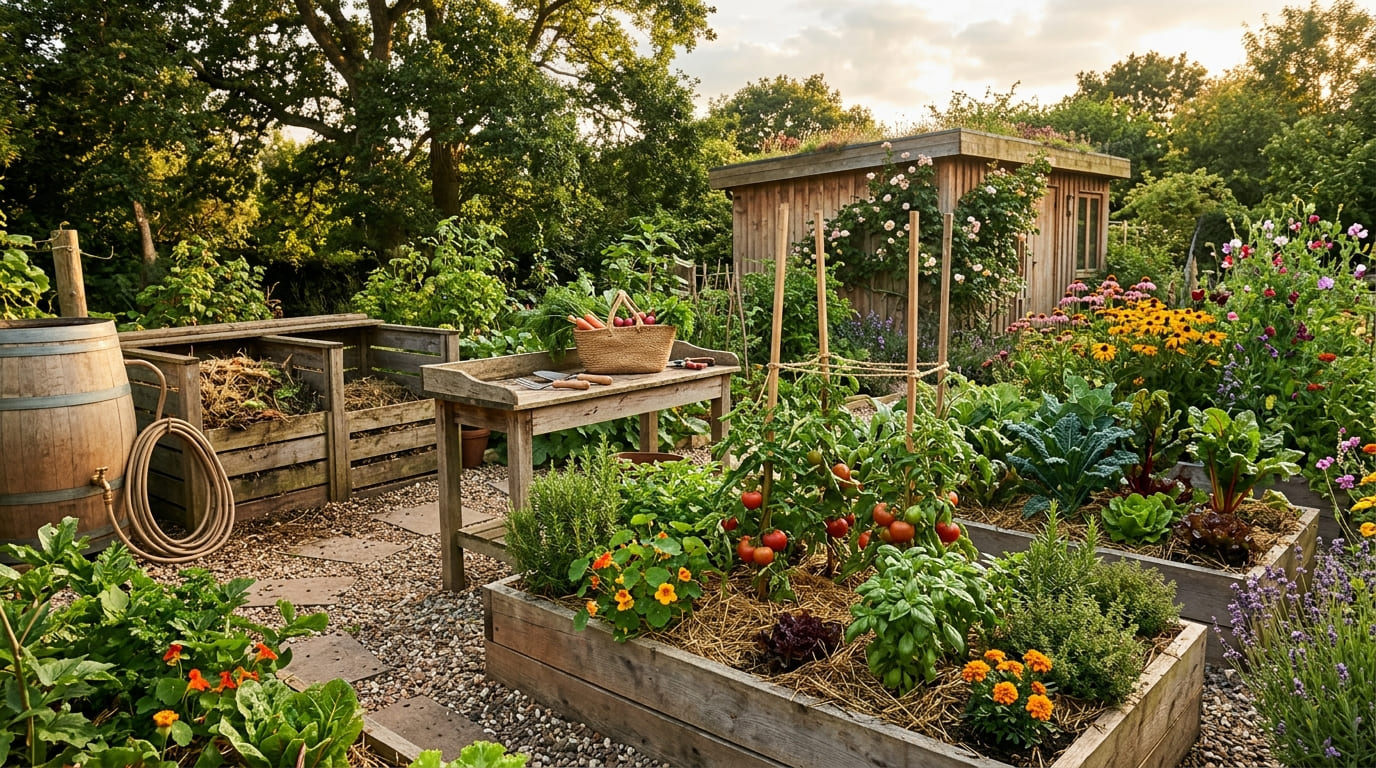
10. Make Gardening More Sustainable
Gardening can also be an opportunity to reduce waste and use resources more responsibly.
Compost suitable organic waste, reuse containers when practical, collect rainwater where appropriate, and choose durable gardening tools and materials.
Simple Sustainable Gardening
You do not need to make every part of your garden perfectly sustainable. Start with one practical change and build from there.
How to Make Gardening Easier
The best garden routine is one that you can maintain consistently. Instead of trying to complete everything at once, divide gardening tasks into small regular activities.
Spend a few minutes checking plants, soil, weeds, and watering needs. Small actions can prevent bigger problems later.
Common Gardening Mistakes to Avoid
- Choosing plants without checking their growing requirements.
- Overwatering plants.
- Planting everything too close together.
- Ignoring soil quality.
- Using too much fertilizer.
- Waiting too long before noticing plant problems.
- Trying to manage a garden that is too large for your available time.
Simple Gardening Checklist
Your Weekly Garden Checklist
- Check soil moisture.
- Inspect plants for damage or pests.
- Remove unwanted weeds.
- Check mulch and exposed soil.
- Prune damaged growth when needed.
- Harvest ready vegetables, fruits, or herbs.
- Clean and organize your gardening tools.
Why Gardening Is Worth Trying
Gardening gives you the opportunity to create a healthier outdoor space while learning more about plants, soil, water, and nature.
Whether you have a large backyard, a small patio, or a few containers, simple gardening habits can make a noticeable difference.
Final Thoughts
Successful gardening starts with simple decisions. Choose suitable plants, build healthy soil, water carefully, give plants enough space, and observe your garden regularly.
You do not need to do everything perfectly. Start small, stay consistent, and improve your garden one step at a time.
Start Gardening Today
Choose one simple gardening tip and start using it today. Build healthy habits gradually and enjoy creating a greener, healthier outdoor space.
Explore GardeningGet Greener Ideas
Join our newsletter for weekly eco-living tips, gardening guides, and DIY projects.