10 Easy Organic Gardening Tips for a Healthier, More Sustainable Garden
Learn simple organic gardening tips for healthier soil, natural pest control, better plants, and a more sustainable garden.
10 Easy Organic Gardening Tips for a Healthier, More Sustainable Garden
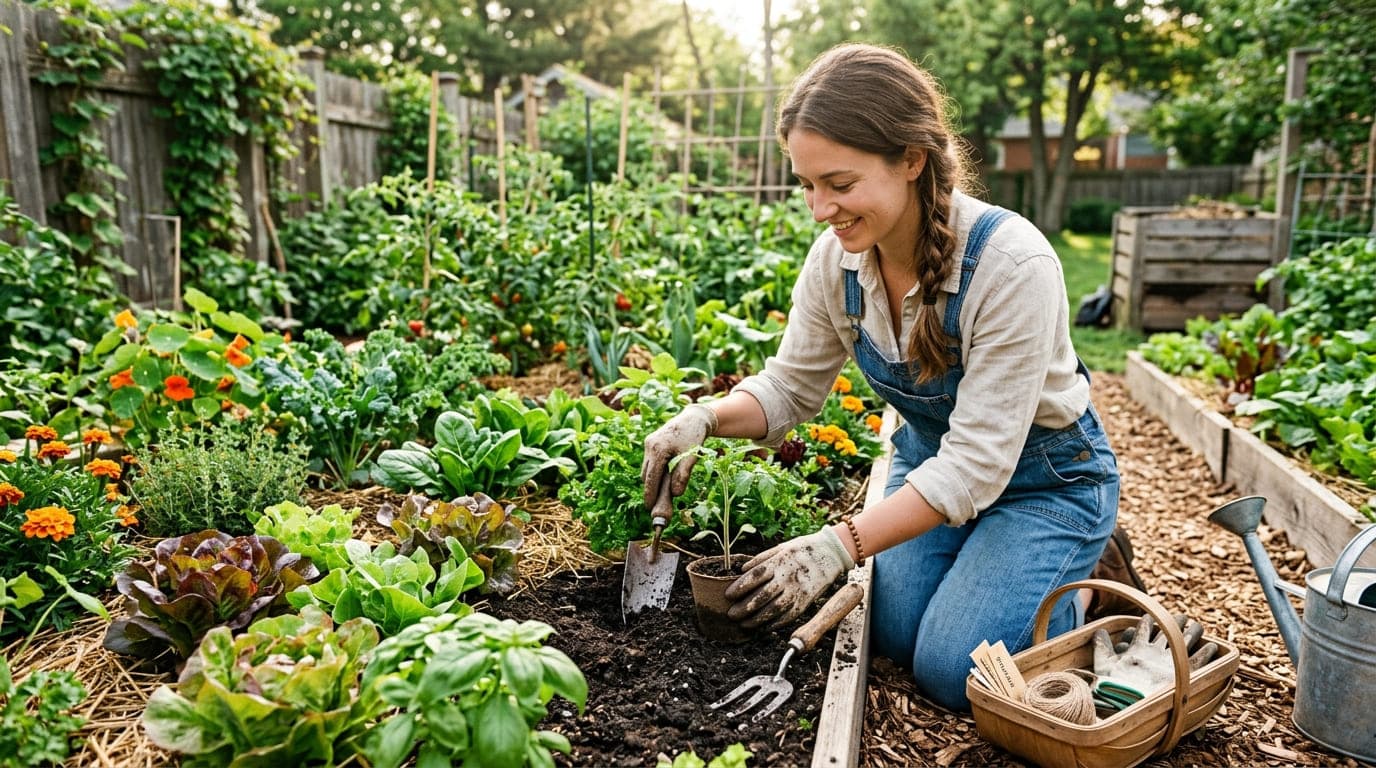
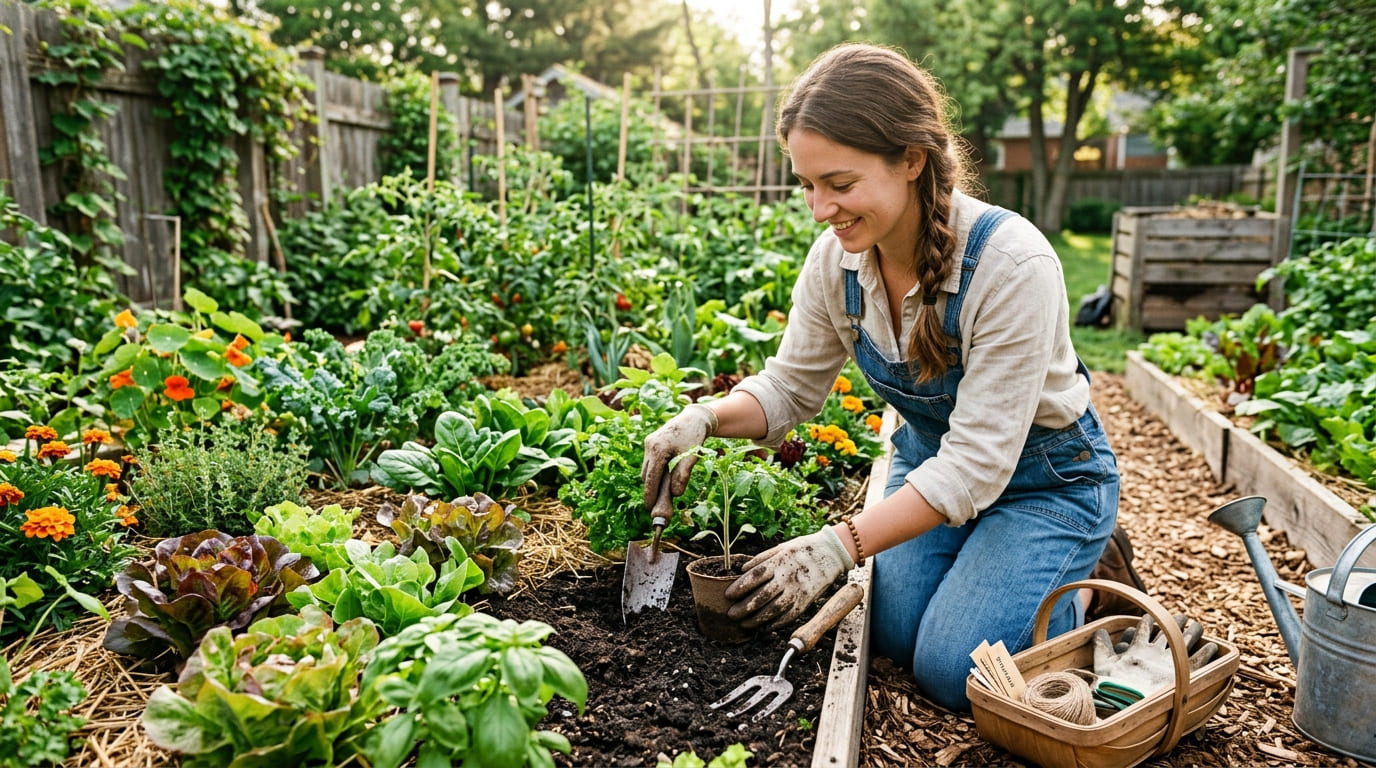
Organic gardening is all about growing plants while working with nature instead of against it. With healthy soil, natural pest control, and simple sustainable habits, you can create a productive garden without relying heavily on synthetic chemicals.
You do not need a huge backyard or years of gardening experience to start. Whether you are growing vegetables, herbs, flowers, or fruit, a few organic gardening principles can make your garden healthier and easier to maintain.
Here are 10 practical organic gardening tips that beginners can use to build a greener and more sustainable garden.
1. Start With Healthy Soil
Healthy soil is the foundation of a successful organic garden. Instead of focusing only on feeding plants, focus on improving the soil where their roots grow.
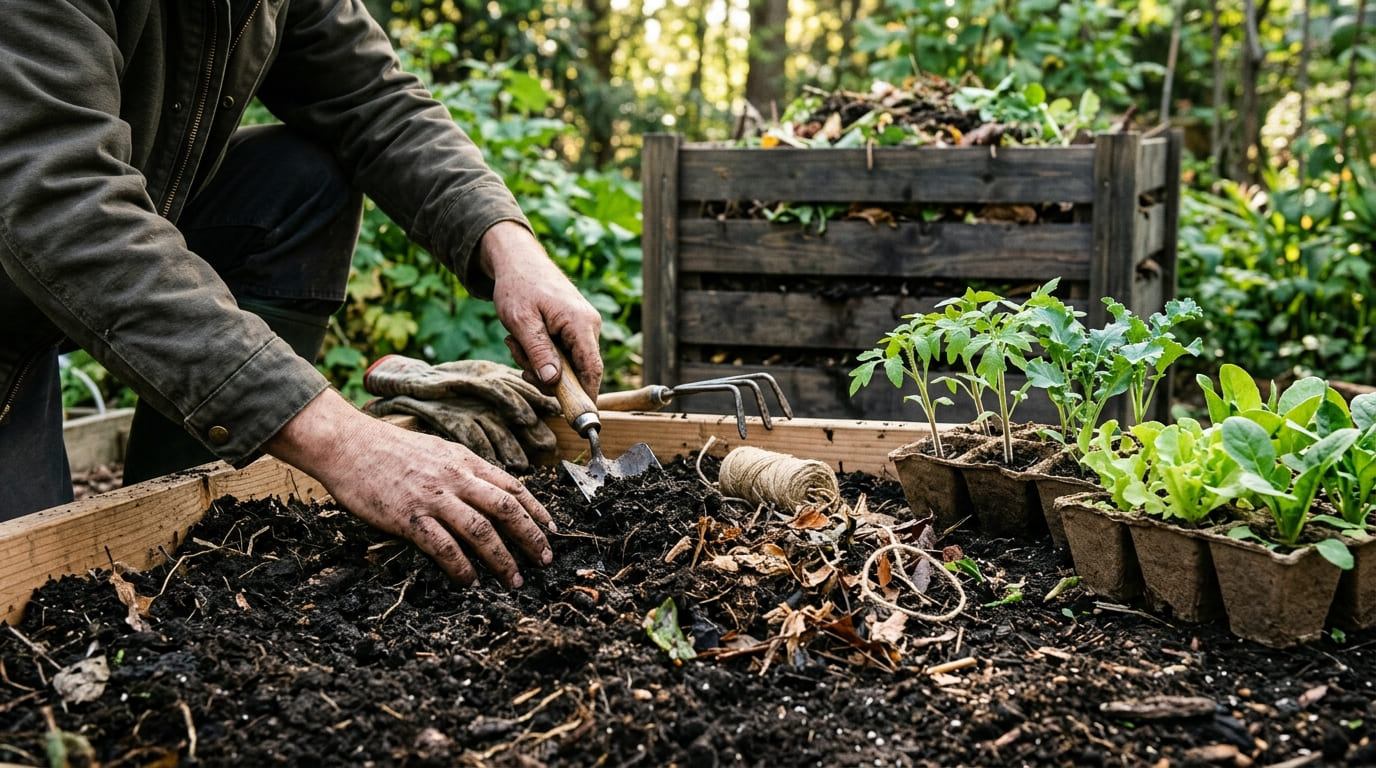
Add organic matter such as compost, aged manure, leaf mold, or other well-decomposed materials. These materials can improve soil structure, support beneficial organisms, and help the soil retain moisture.
Organic Gardening Tip
Before planting, loosen compacted soil and mix in a moderate amount of mature compost. Avoid adding fresh manure directly around young plants.
2. Make Compost Part of Your Garden
Compost is one of the most useful resources in organic gardening. It turns suitable kitchen and garden waste into valuable organic matter for your soil.
A basic compost pile can include a mixture of:
- Fruit and vegetable scraps
- Dry leaves
- Grass clippings in moderation
- Untreated plant material
- Small amounts of natural garden waste
Keep the compost balanced between moisture, air, and different types of organic materials. When finished, mature compost should have a dark appearance and earthy smell.
3. Choose Plants That Fit Your Garden
Organic gardening becomes easier when you choose plants suited to your local growing conditions.
Consider sunlight, temperature, available space, soil conditions, and your normal watering routine before buying seeds or seedlings.
- Choose plants suitable for your climate.
- Match plants to the amount of sunlight available.
- Start with varieties known to perform well locally.
- Avoid planting more than your available space can support.
4. Use Natural Pest Control
Seeing insects in your garden does not automatically mean you have a pest problem. Many insects are beneficial and help pollinate plants or control unwanted pests.
Before using any treatment, identify the insect and determine whether it is actually damaging your plants.
Try These Natural Methods
- Remove large pests by hand when practical.
- Encourage beneficial insects.
- Grow a variety of plants.
- Keep plants healthy through proper watering and nutrition.
- Remove badly damaged plant material when necessary.
The goal is not to eliminate every insect. The goal is to maintain a healthy balance in your garden ecosystem.
5. Protect Your Soil With Mulch
Mulching is a simple technique with several benefits. Organic mulch can help conserve moisture, reduce weeds, protect the soil surface, and gradually add organic matter as it breaks down.
Materials such as shredded leaves, straw, untreated wood mulch, or other appropriate organic materials can work well depending on your garden.
Remember
Keep mulch slightly away from the direct base of plant stems. Excess moisture around stems can create problems for some plants.
6. Water Your Plants Efficiently
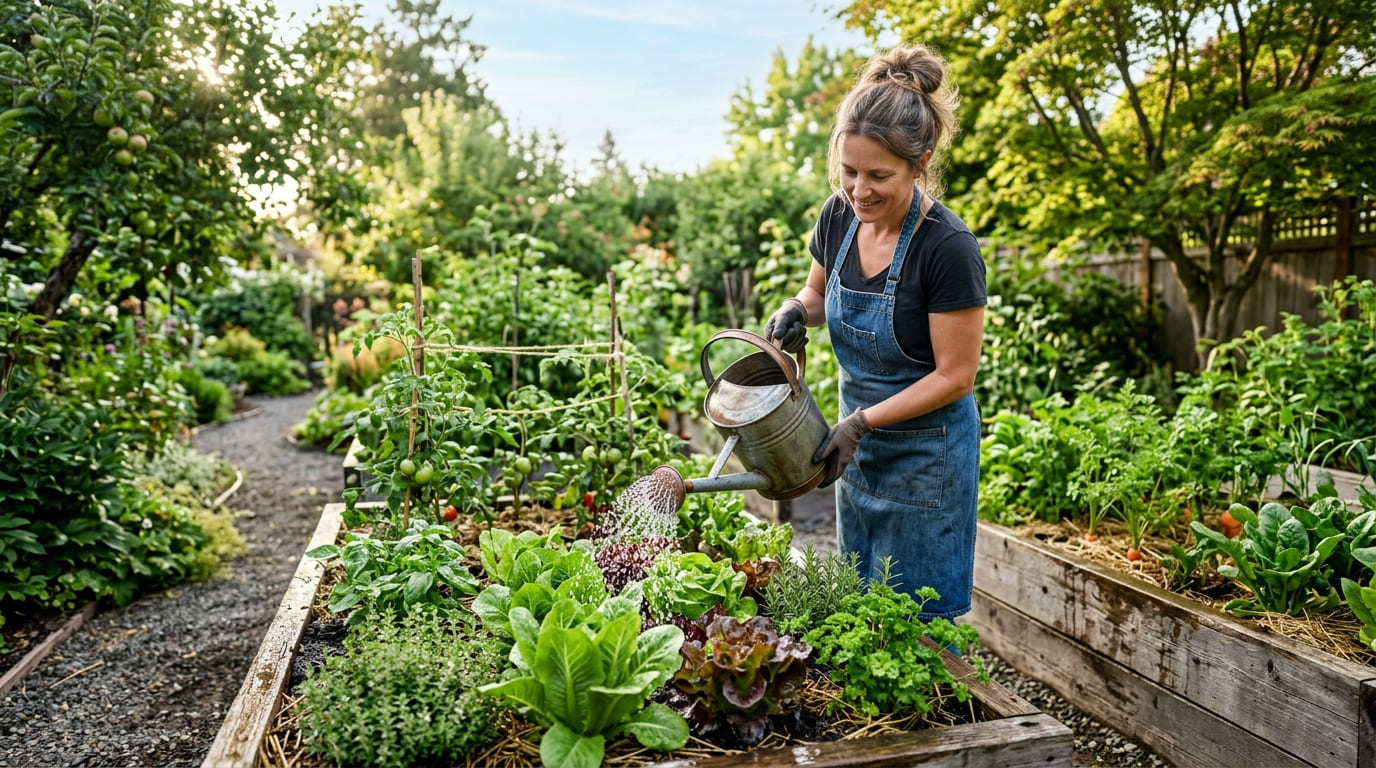
Good watering habits are essential for organic gardening. Instead of watering automatically every day, check the soil and understand the needs of your plants.
Water deeply when appropriate rather than constantly giving plants small amounts of water. Morning watering is often useful because it gives foliage time to dry during the day.
7. Rotate Your Crops
If you grow vegetables, avoid planting the same crop family in the same location year after year whenever possible.
Crop rotation can help reduce the buildup of certain soil-related pests and diseases and can make better use of different nutrients.
Even a simple rotation between leafy greens, legumes, root crops, and fruiting vegetables can be a useful starting point.
8. Encourage Biodiversity
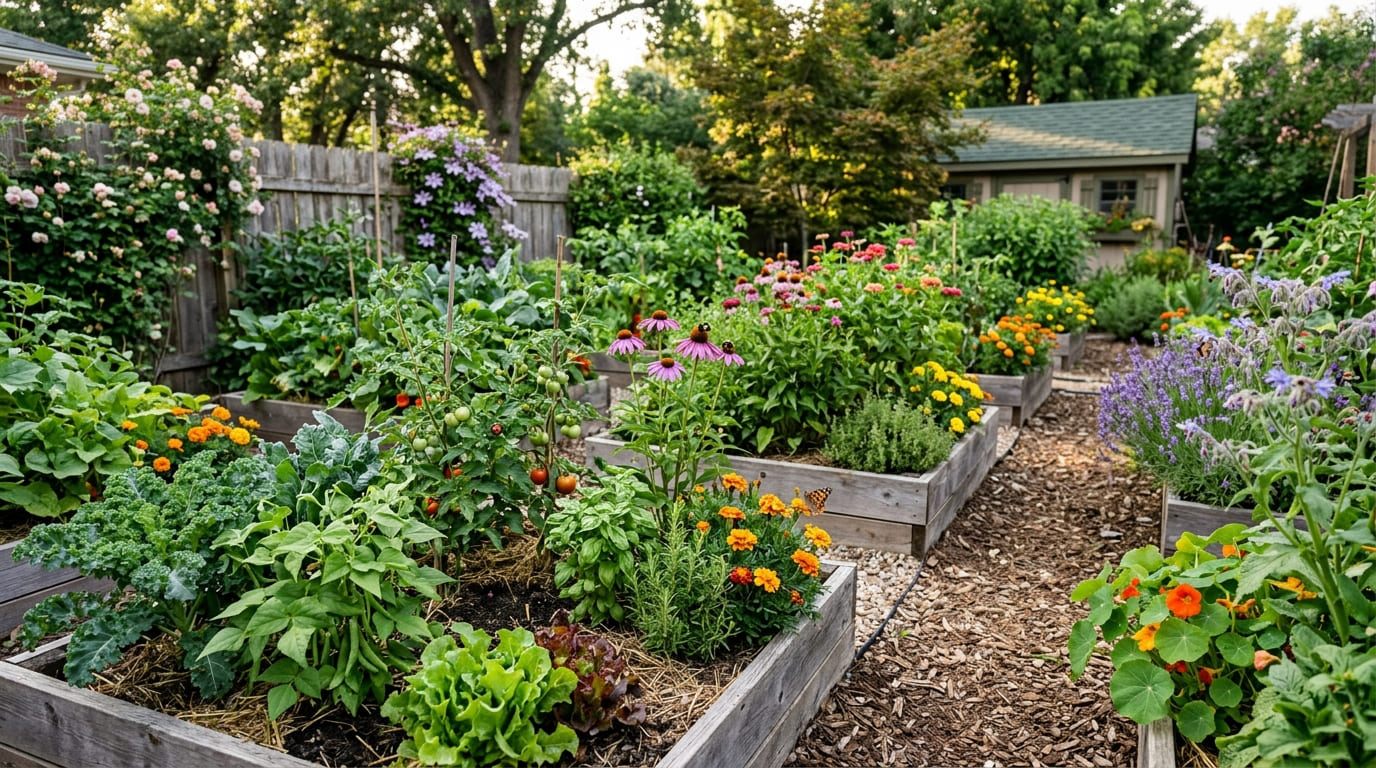
A diverse garden can support a healthier ecosystem. Instead of growing only one type of plant, combine vegetables, herbs, flowers, and plants that attract beneficial insects.
Flowers such as marigolds, calendula, nasturtiums, and other suitable flowering plants can add beauty while providing resources for pollinators and beneficial insects.
- Grow different types of plants.
- Add flowering plants near vegetables.
- Leave some natural habitat when possible.
- Avoid unnecessary chemical treatments.
9. Feed Plants Naturally
Organic gardening does not mean ignoring plant nutrition. Plants still need the right balance of nutrients to grow well.
Compost and well-managed organic matter can provide nutrients over time. Depending on your soil and plants, other organic soil amendments may also be appropriate.
Avoid adding products simply because they are labeled natural. Always understand what your soil and plants actually need before applying amendments.
10. Observe Your Garden Regularly
One of the simplest organic gardening techniques is also one of the most important: pay attention to your plants.
Walk through your garden regularly and look at leaves, stems, soil, flowers, and new growth. Early signs of stress are much easier to manage than serious problems.
Weekly Organic Garden Checklist
- Check soil moisture.
- Look for damaged or discolored leaves.
- Inspect plants for unusual insects.
- Remove weeds before they become difficult to manage.
- Check mulch and add more when needed.
- Harvest mature vegetables and herbs regularly.
- Remove diseased plant material when appropriate.
Common Organic Gardening Mistakes to Avoid
Organic gardening is simple, but beginners can still make a few common mistakes.
Overwatering
More water does not always mean healthier plants. Constantly wet soil can create root problems and reduce healthy air spaces in the soil.
Ignoring Soil Health
Plants depend on their growing environment. Focusing only on leaves and flowers while ignoring soil quality can make gardening harder.
Using Natural Products Without Understanding Them
Natural does not automatically mean harmless or appropriate for every situation. Always read product directions and use the least disruptive solution that solves the actual problem.
Trying to Control Every Insect
A healthy garden contains insects. Learn to recognize beneficial species and tolerate minor insect activity when plants remain healthy.
Build a Simple Organic Gardening Routine
You do not need to spend hours in the garden every day. A simple routine can keep your plants healthy while making gardening more enjoyable.
- Check plants for a few minutes several times a week.
- Water according to soil and plant needs.
- Remove weeds while they are still small.
- Add compost or organic matter when appropriate.
- Harvest regularly.
- Keep simple notes about what works in your garden.
Make Your Garden More Sustainable
Organic gardening is not only about avoiding synthetic chemicals. It is also about making thoughtful choices that reduce waste and protect natural resources.
Reuse suitable containers, collect rainwater where practical, make compost, protect pollinators, grow plants suited to your environment, and avoid wasting water or garden materials.
Final Thoughts
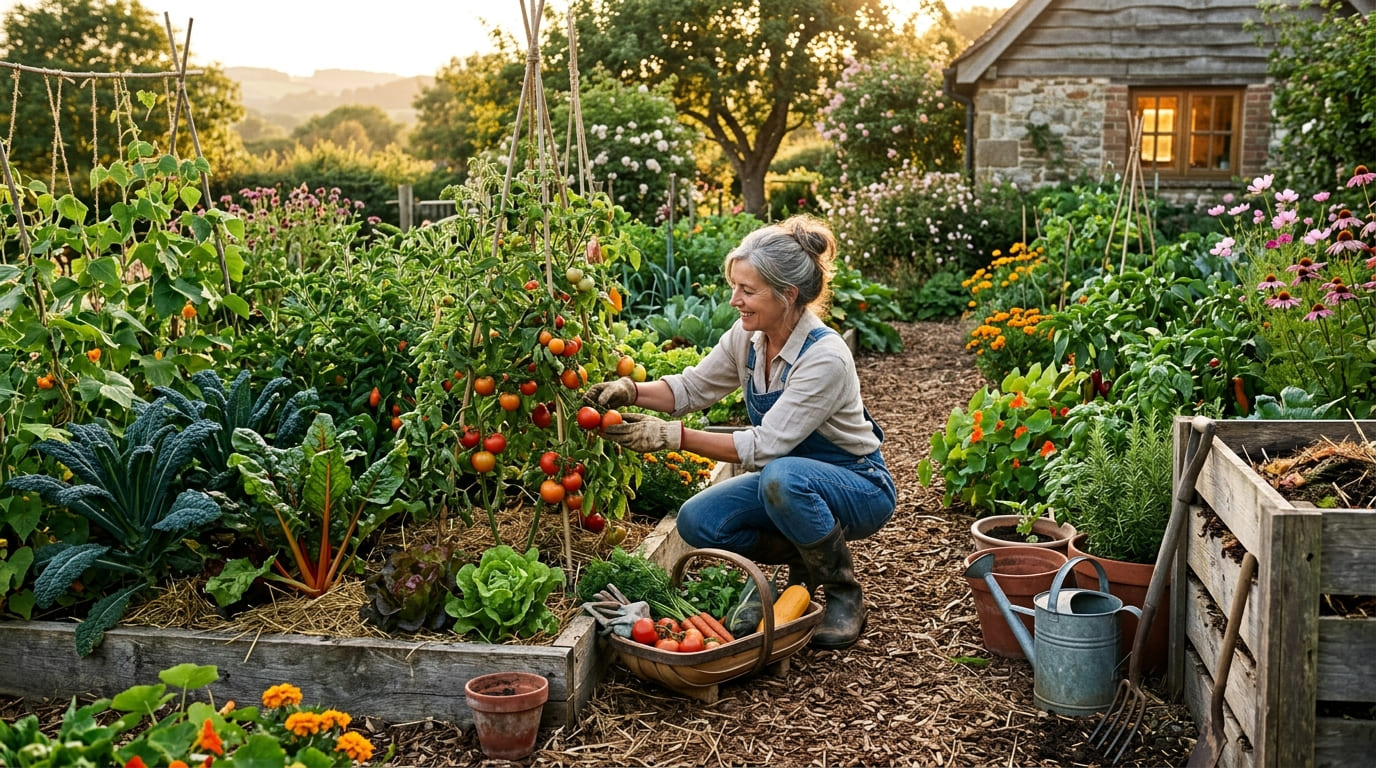
Organic gardening does not have to be complicated. Start with healthy soil, choose suitable plants, conserve water, encourage biodiversity, and learn to work with the natural ecosystem around you.
The best organic garden is not necessarily the biggest or most perfect one. It is a garden that becomes healthier over time while giving you fresh produce, beautiful plants, and a closer connection with nature.
Start Growing Naturally
Ready to create a healthier and more sustainable garden? Start with one simple organic gardening habit today and build from there.
Explore Organic GardeningGet Greener Ideas
Join our newsletter for weekly eco-living tips, gardening guides, and DIY projects.