10 Essential Plant Care Tips for Healthy, Thriving Plants
Learn essential plant care tips for watering, sunlight, soil, feeding, pruning, and keeping your plants healthy year-round.
10 Essential Plant Care Tips for Healthy, Thriving Plants
Plant care does not have to be complicated. When plants receive the right amount of sunlight, water, nutrients, and attention, they have a much better chance of growing strong and healthy.
Whether you are caring for houseplants, herbs, flowers, or vegetables, understanding a few basic principles can make plant care easier and more enjoyable.
From watering correctly to recognizing early signs of stress, these simple tips will help you build a better plant care routine.
1. Understand Your Plant's Needs
Every plant is different. Before choosing a watering schedule or fertilizer, learn about the specific needs of your plant.
Check whether it prefers bright light, indirect light, moist soil, dry conditions, warm temperatures, or cooler environments.
- Identify the plant species or variety.
- Learn its preferred light conditions.
- Check how often it normally needs water.
- Understand its preferred soil type.
- Consider its natural growing environment.
Plant Care Tip
Do not treat every plant the same. A watering routine that works for one plant may be too much or too little for another.
2. Give Plants the Right Amount of Light
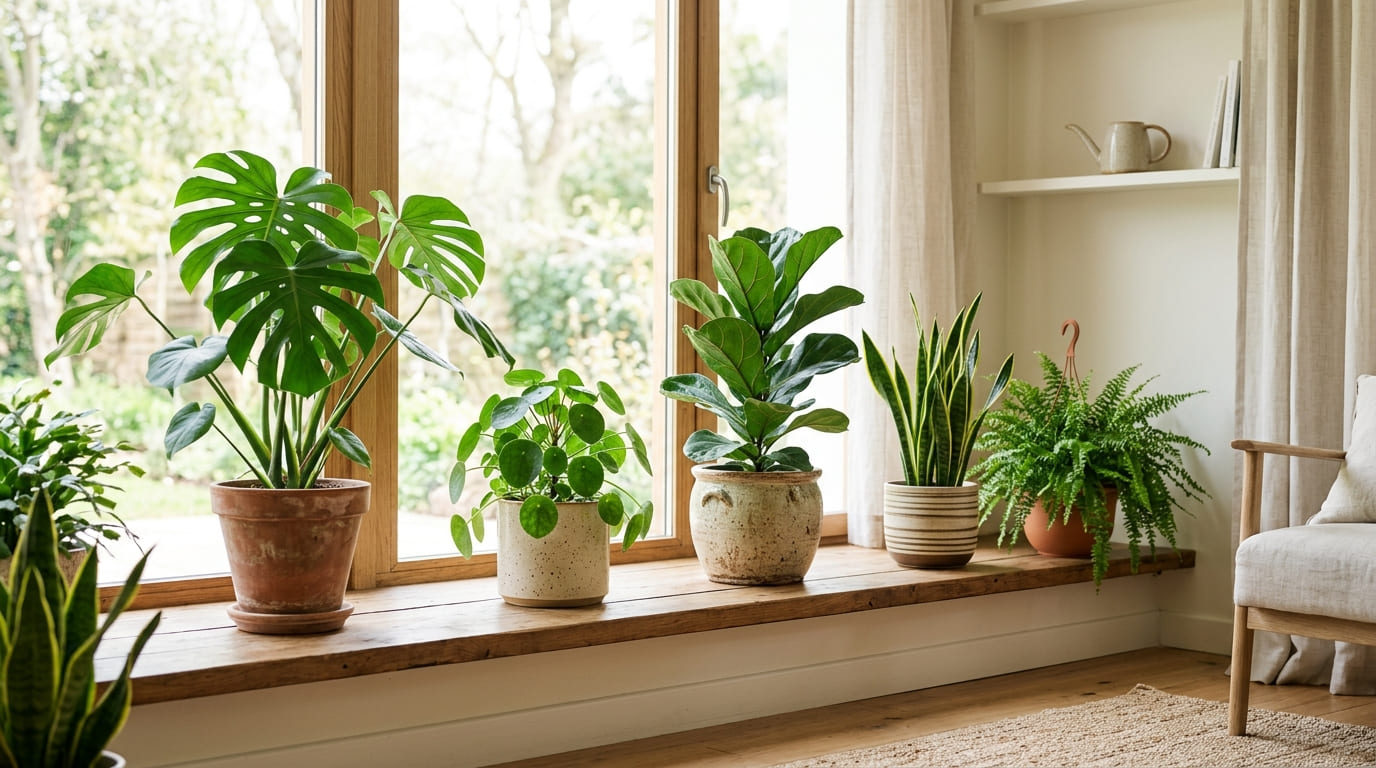
Light provides the energy plants need for healthy growth. One of the most common plant care mistakes is placing a plant somewhere with unsuitable light.
Observe your space throughout the day and choose a location that matches the plant's requirements.
Signs of insufficient light can include slow growth, pale leaves, weak stems, or excessive stretching toward a light source.
3. Water Plants Correctly
Watering is essential, but more water does not always mean healthier plants. Overwatering is one of the most common causes of plant problems.
Instead of following a fixed schedule, check the soil and understand your plant's moisture requirements.
- Check the soil before watering.
- Water thoroughly when the plant needs it.
- Allow excess water to drain away.
- Avoid leaving roots sitting in stagnant water.
- Adjust watering during different seasons.
Signs of Overwatering
Yellowing leaves, constantly wet soil, unpleasant soil odors, and declining roots can indicate that a plant is receiving too much water.
Signs of Underwatering
Wilting, dry soil, curling leaves, and crispy leaf edges may indicate that a plant needs more consistent moisture.
4. Choose the Right Soil
Good soil gives roots access to water, air, nutrients, and physical support. Different plants can require different soil conditions.
Most plants benefit from soil that drains appropriately while still holding enough moisture for healthy roots.
Remember
A container without proper drainage can cause water to accumulate around the roots. Always consider drainage when choosing pots and planting containers.
5. Feed Plants When Necessary
Plants need nutrients to produce healthy leaves, roots, flowers, and fruit. However, fertilizer should be used thoughtfully.
Too much fertilizer can damage roots and create nutrient imbalances. Follow the needs of the plant and the instructions of the product you choose.
- Use fertilizer appropriate for the plant.
- Follow recommended application rates.
- Avoid unnecessary overfeeding.
- Consider soil quality before adding nutrients.
6. Keep Leaves Clean and Healthy
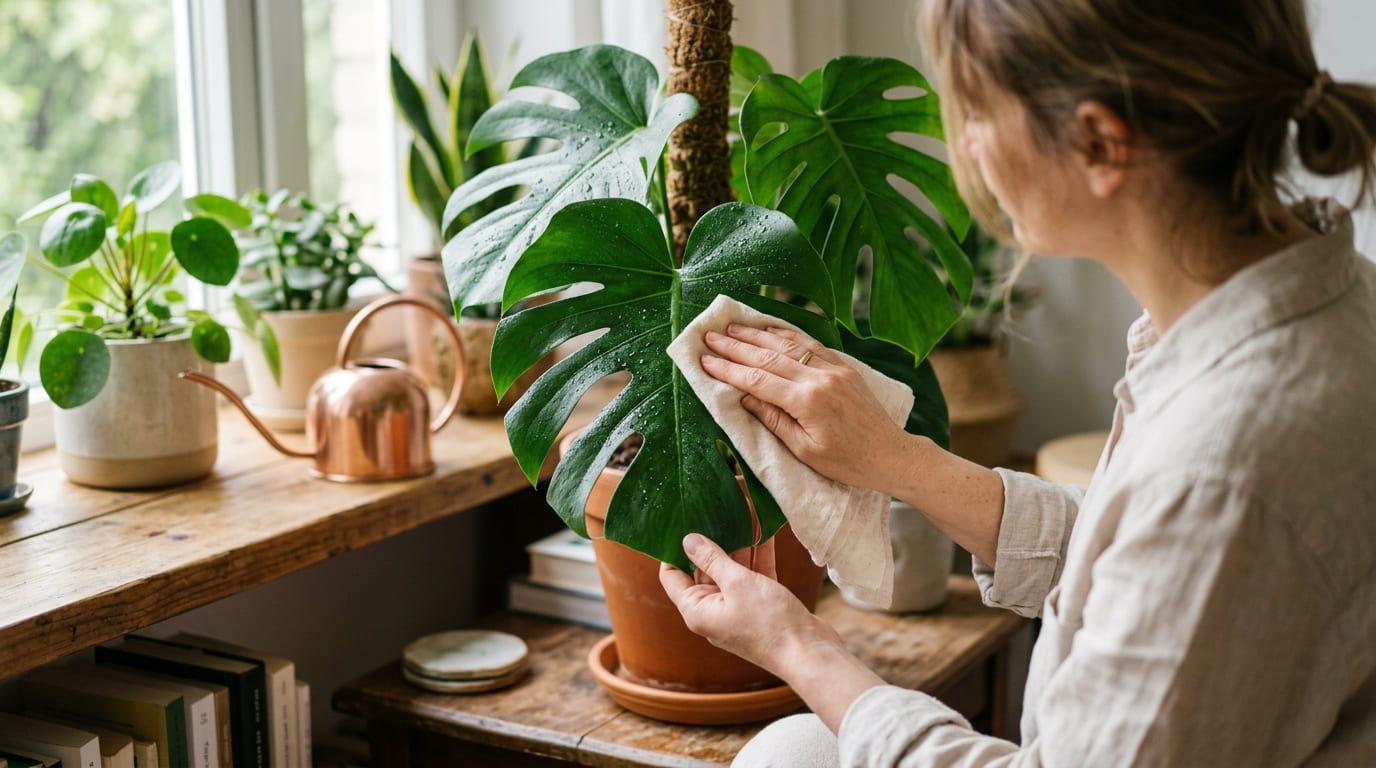
Dust can accumulate on broad plant leaves and make them look dull. Gently cleaning suitable indoor plant leaves can improve their appearance and help you notice pests or other problems early.
Use clean water and a soft cloth when appropriate. Avoid harsh household cleaning products on plant foliage.
7. Prune Damaged Growth
Removing dead, damaged, or diseased plant material can help keep plants looking healthier and can make it easier to monitor new growth.
Always use clean, suitable pruning tools and avoid removing large amounts of healthy growth unnecessarily.
When to Prune
- Remove clearly dead leaves.
- Trim damaged stems when appropriate.
- Remove unhealthy growth according to the plant's needs.
- Shape plants gradually instead of cutting aggressively.
8. Check Plants for Pests
Regular inspection is one of the easiest ways to catch pest problems early. Look closely at the undersides of leaves, stems, and new growth.
Common signs of pest activity can include small insects, sticky residue, distorted new leaves, holes, or unusual discoloration.
If you notice a problem, identify the cause before choosing a treatment. Early intervention is often easier than dealing with a serious infestation later.
9. Give Plants Enough Space
Crowded plants may have reduced airflow and can compete for light, water, and nutrients.
Give plants enough room for their expected size and growth habit. This is particularly important in containers, balconies, raised beds, and indoor plant collections.
- Consider the mature size of each plant.
- Avoid blocking important light sources.
- Allow reasonable airflow between plants.
- Repot plants when they have outgrown their containers.
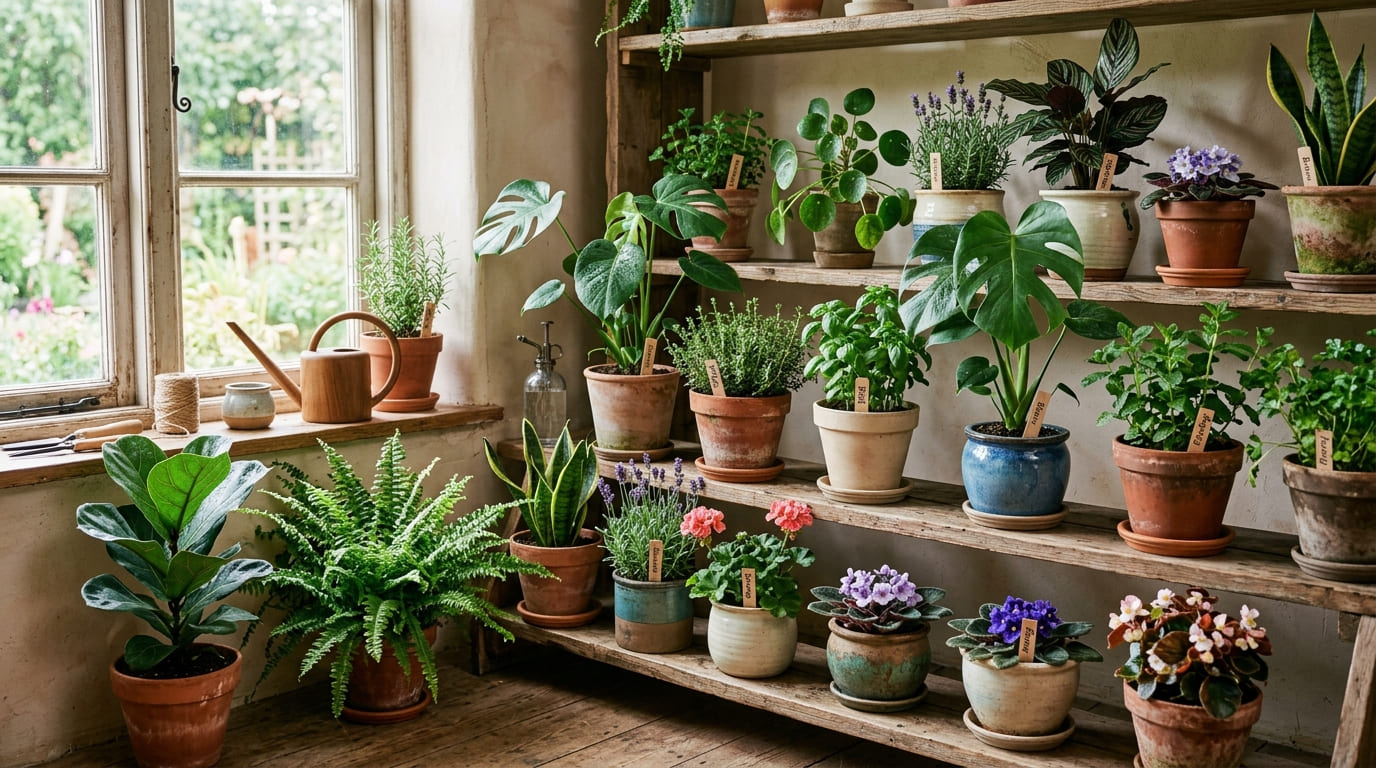
10. Create a Consistent Plant Care Routine
Good plant care is less about doing everything at once and more about paying attention consistently.
A short weekly inspection can help you notice changes before they become serious problems.
Simple Weekly Plant Care Checklist
- Check soil moisture.
- Inspect leaves for discoloration or damage.
- Look for signs of pests.
- Check whether plants are receiving enough light.
- Remove dead leaves when necessary.
- Rotate indoor plants if appropriate for even growth.
- Check containers and drainage.
- Observe new growth and overall plant health.
Common Plant Care Mistakes to Avoid
Watering on a Strict Schedule
Plants do not always need water on the exact same day every week. Temperature, sunlight, season, soil, and container size can all change how quickly moisture disappears.
Ignoring Drainage
Even a good watering routine can cause problems if excess water cannot escape. Always consider drainage when selecting containers.
Moving Plants Too Often
Plants can need time to adjust to changes in light and environment. Avoid constantly moving them unless there is a clear reason.
Using Too Much Fertilizer
More fertilizer is not automatically better. Excess nutrients can damage plants and interfere with healthy root development.
How to Tell if Your Plant Is Healthy
Healthy plants generally show signs of active growth appropriate to their species and season.
Look for firm stems, healthy-looking foliage, appropriate new growth, and soil moisture that matches the plant's needs.
Remember that some leaf changes are completely normal as plants age. The important thing is to observe patterns rather than reacting to every small change.
Make Plant Care More Sustainable
Good plant care can also be environmentally responsible. Reuse suitable containers, avoid wasting water, make compost when practical, and choose plants that are well suited to your environment.
Sustainable plant care is about creating healthy growing conditions while using resources thoughtfully.
Final Thoughts
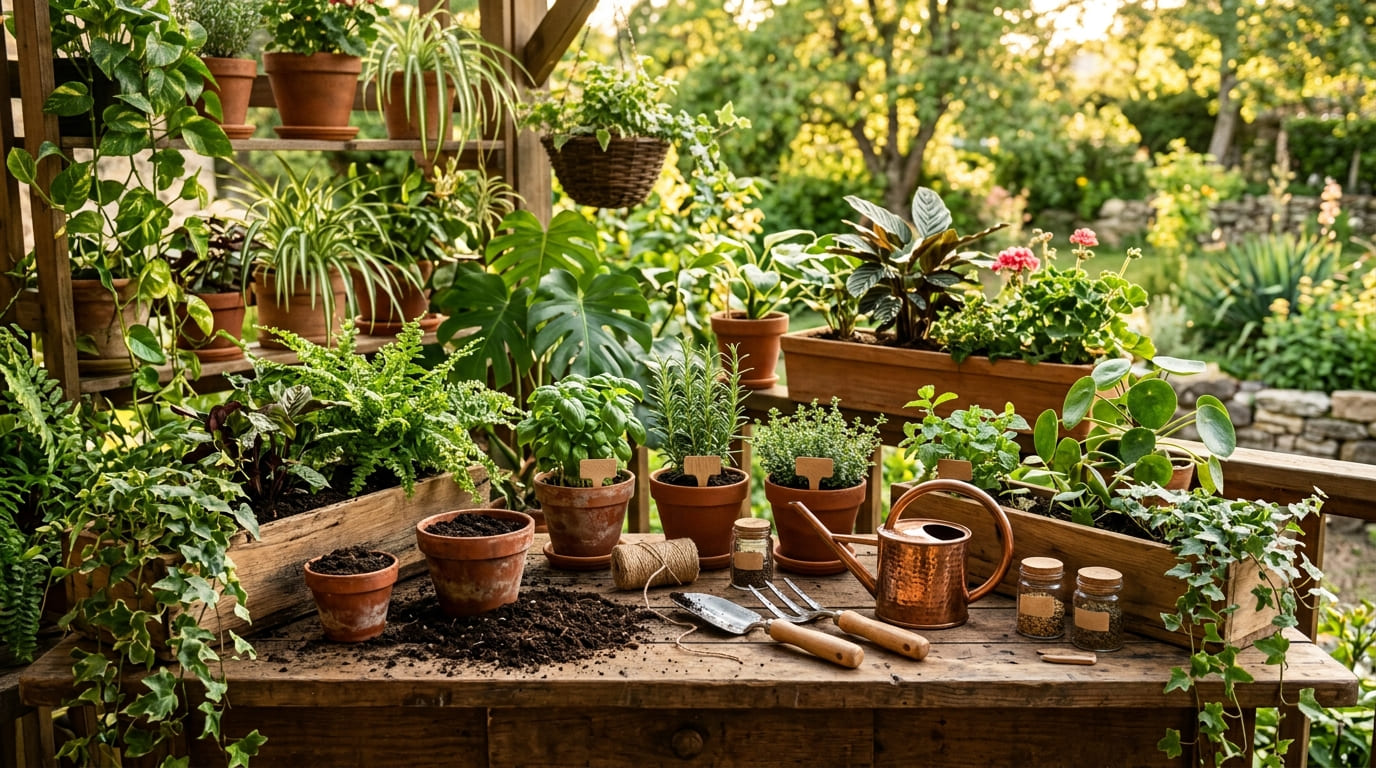
Plant care becomes much easier when you learn to observe what your plants are telling you. Focus on the basics: appropriate light, correct watering, healthy soil, suitable nutrition, enough space, and regular observation.
You do not need a perfect routine from day one. Start with a few good habits, pay attention to how your plants respond, and adjust your care as you learn.
Help Your Plants Thrive
Build better plant care habits today and create a healthier, greener space one plant at a time.
Explore Plant CareGet Greener Ideas
Join our newsletter for weekly eco-living tips, gardening guides, and DIY projects.