10 Easy Plastic-Free Living Tips for a More Sustainable Home
Learn simple plastic-free living tips to reduce waste, make sustainable choices, and create a greener home every day
10 Easy Plastic-Free Living Tips for a More Sustainable Home
Plastic-free living does not mean throwing away everything you own. It is about making practical changes that reduce unnecessary plastic and help you build a more sustainable lifestyle one habit at a time.
From shopping bags and food containers to cleaning products and bathroom essentials, plastic is part of many everyday routines. The good news is that you do not need to change everything overnight.
By replacing a few disposable products with reusable alternatives, you can gradually reduce waste while creating a simpler and more conscious home.
1. Start With the Plastic You Use Most
The easiest way to begin plastic-free living is to look at your daily habits. Instead of trying to eliminate every piece of plastic at once, identify the products you regularly buy and throw away.
- Single-use shopping bags
- Disposable water bottles
- Plastic food containers
- Plastic wrap and disposable packaging
- Single-use cups and cutlery
Simple Tip
Pick one disposable plastic item you use every day and replace it with a reusable option first.
2. Bring Reusable Shopping Bags
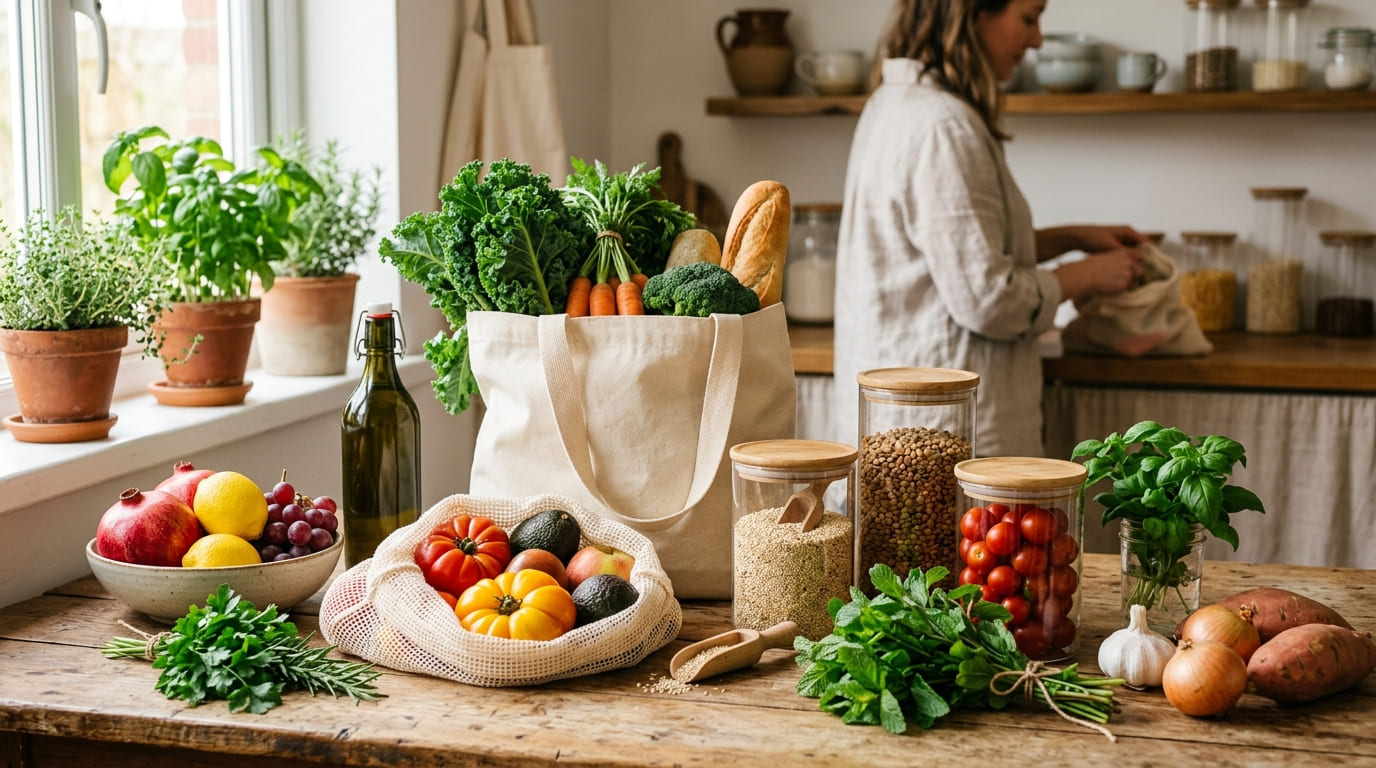
Reusable shopping bags are one of the simplest swaps you can make. Keep a few near your door, in your car, or inside another everyday bag so they are easy to remember.
Choose durable bags that you can use for a long time rather than collecting many bags that you rarely use.
3. Switch to Reusable Water Bottles
A reusable water bottle can replace countless single-use bottles over time. Stainless steel and durable glass are popular choices because they can be cleaned and reused regularly.
Keep your bottle somewhere visible so grabbing it before leaving home becomes automatic.
4. Reduce Plastic Food Packaging
Food shopping is one of the biggest opportunities to reduce household plastic waste. When practical, choose products with less packaging or packaging made from materials that can be reused or recycled locally.
- Buy loose fruits and vegetables when possible.
- Use reusable produce bags.
- Choose refillable products.
- Bring reusable containers for suitable bulk purchases.
- Plan meals to avoid unnecessary packaged food.
5. Replace Plastic Food Storage
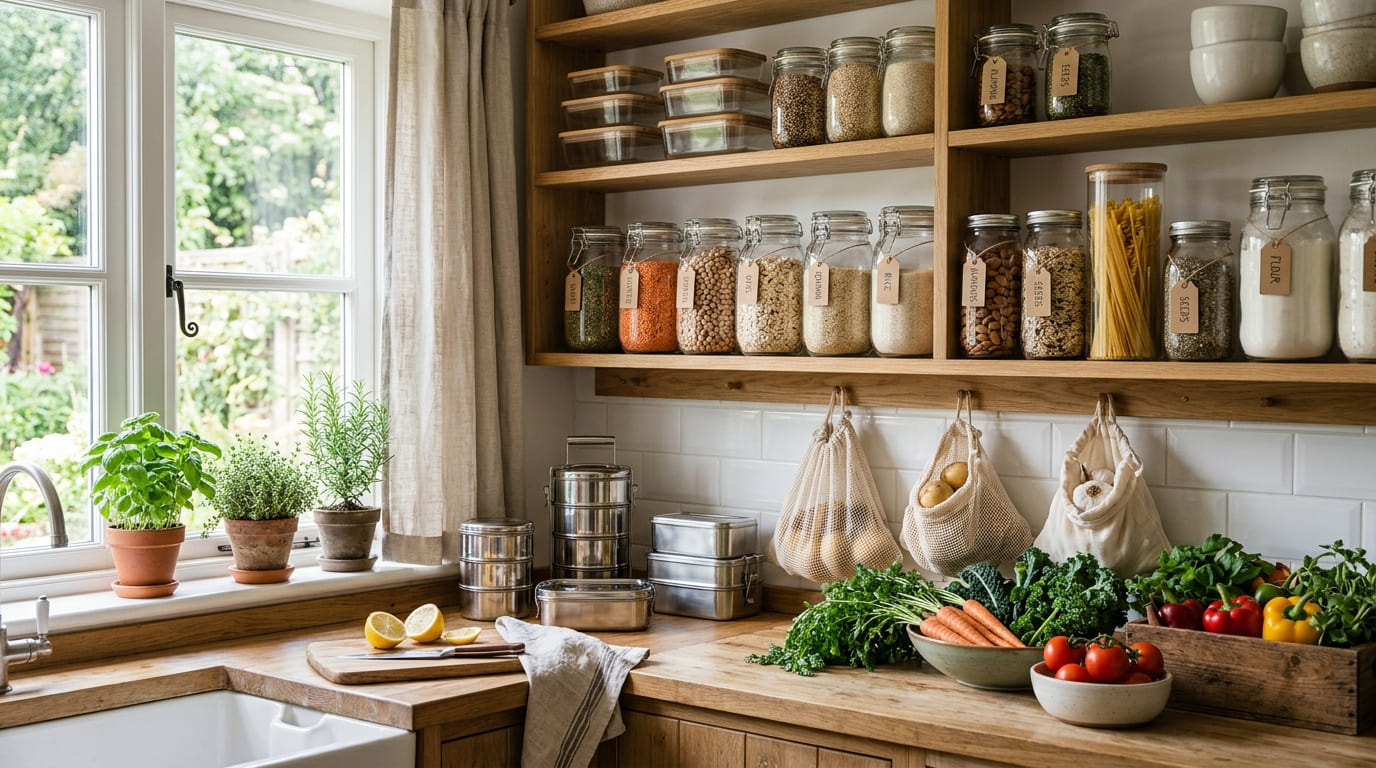
Instead of relying on disposable plastic bags and wraps, consider reusable containers made from glass, stainless steel, or other durable materials.
Reusable food storage can also make your kitchen more organized because you can create a consistent system for leftovers, meal preparation, and pantry storage.
6. Choose Refillable Cleaning Products
Cleaning products often come in plastic bottles that are replaced again and again. Look for refill systems, concentrated formulas, reusable bottles, or simple household cleaning solutions when appropriate.
The goal is not to buy new sustainable products constantly. Use what you already have and make better choices when something needs replacing.
7. Make Your Bathroom More Plastic-Free
Bathrooms contain many small plastic products, from toothbrushes and bottles to disposable packaging. You can gradually replace some of these items with durable or low-waste alternatives.
- Use refillable soap bottles.
- Consider shampoo or soap bars.
- Choose durable personal-care tools.
- Avoid buying products with unnecessary packaging.
- Finish products you already own before replacing them.
Remember
Sustainable living is not about buying the most eco-friendly version of everything. Using an existing product for longer can often be the better first step.
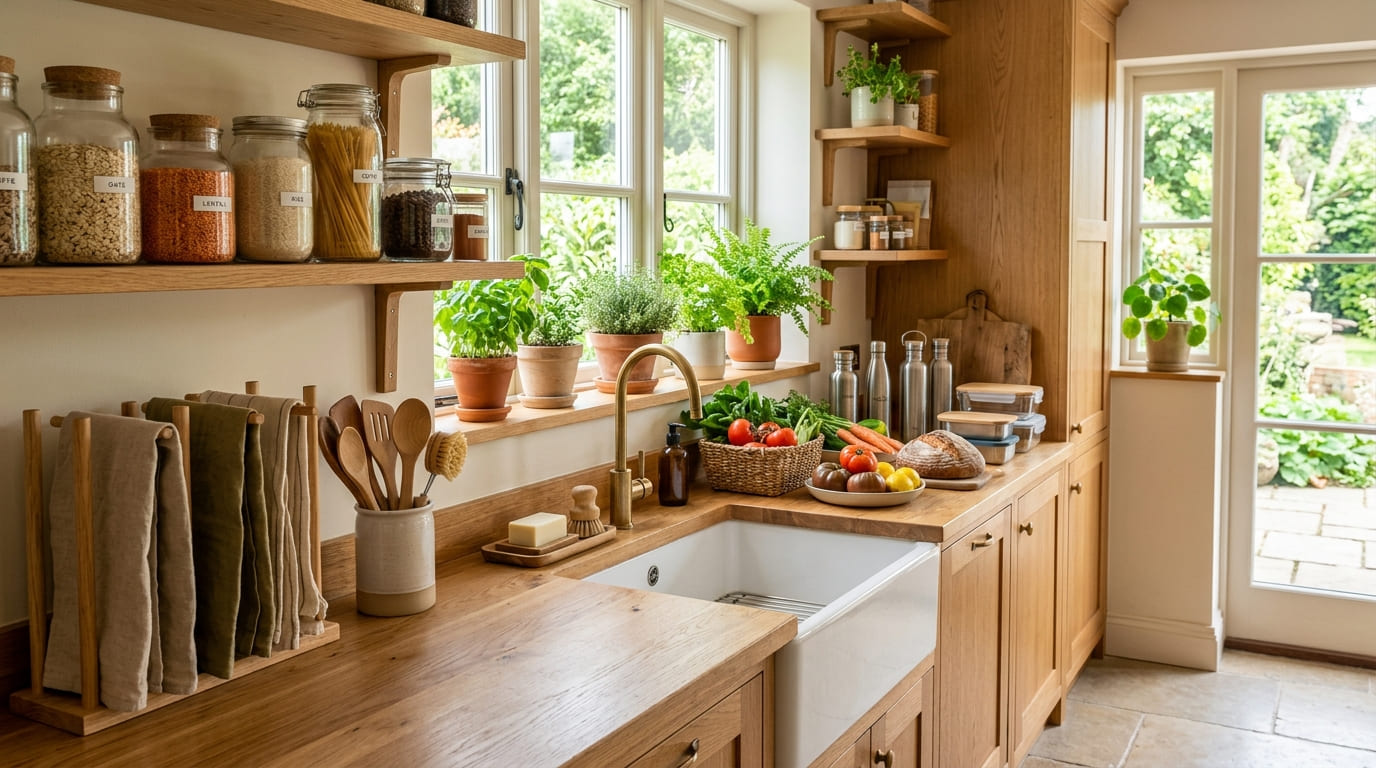
8. Choose Reusable Kitchen Essentials
The kitchen is another great place to reduce disposable plastic. Replace frequently used single-use items with durable alternatives as they wear out.
- Reusable food containers
- Cloth kitchen towels
- Reusable shopping bags
- Durable cooking utensils
- Reusable bottles and cups
9. Avoid the Pressure to Be Perfect
One of the biggest mistakes in plastic-free living is thinking that you must become completely plastic-free immediately.
Plastic can still be useful in certain situations, and completely eliminating it may not be realistic for every household. Focus instead on reducing unnecessary single-use plastic and choosing durable products when replacements are needed.
10. Build a Simple Plastic-Free Routine
Long-term sustainability comes from habits you can actually maintain. Create a small routine around the things you already do every day.
Your Plastic-Free Checklist
- Carry a reusable shopping bag.
- Take a reusable water bottle when leaving home.
- Use reusable containers for food storage.
- Choose products with less unnecessary packaging.
- Refill products whenever practical.
- Reuse items before replacing them.
- Buy durable products instead of disposable ones.
Common Plastic-Free Living Mistakes
Going plastic-free can become overwhelming when every purchase feels like a sustainability test. Avoid these common mistakes:
- Replacing everything at once: This can create unnecessary spending and waste.
- Throwing away usable plastic: Keep useful items until they reach the end of their life whenever possible.
- Buying too many reusable products: You only need a few products that you will actually use.
- Focusing only on products: Reducing consumption and reusing what you already own are equally important.
Plastic-Free Living Can Start Small
You do not need a perfect zero-waste home to make a positive difference. Start with the plastic items you use most often and replace them slowly with reusable, durable alternatives.
Over time, small changes can become automatic habits. Shopping with reusable bags, carrying a water bottle, choosing less packaging, and reusing containers can all become part of a simpler and more sustainable lifestyle.
Start Your Plastic-Free Journey
Choose one simple swap today, keep using it consistently, and build your plastic-free lifestyle step by step.
Explore Plastic-Free LivingGet Greener Ideas
Join our newsletter for weekly eco-living tips, gardening guides, and DIY projects.