10 Smart Rainwater Harvesting Tips for a More Sustainable Garden
Learn simple rainwater harvesting tips to collect, store, and use rainwater for a healthier and more sustainable garden.
10 Smart Rainwater Harvesting Tips for a More Sustainable Garden
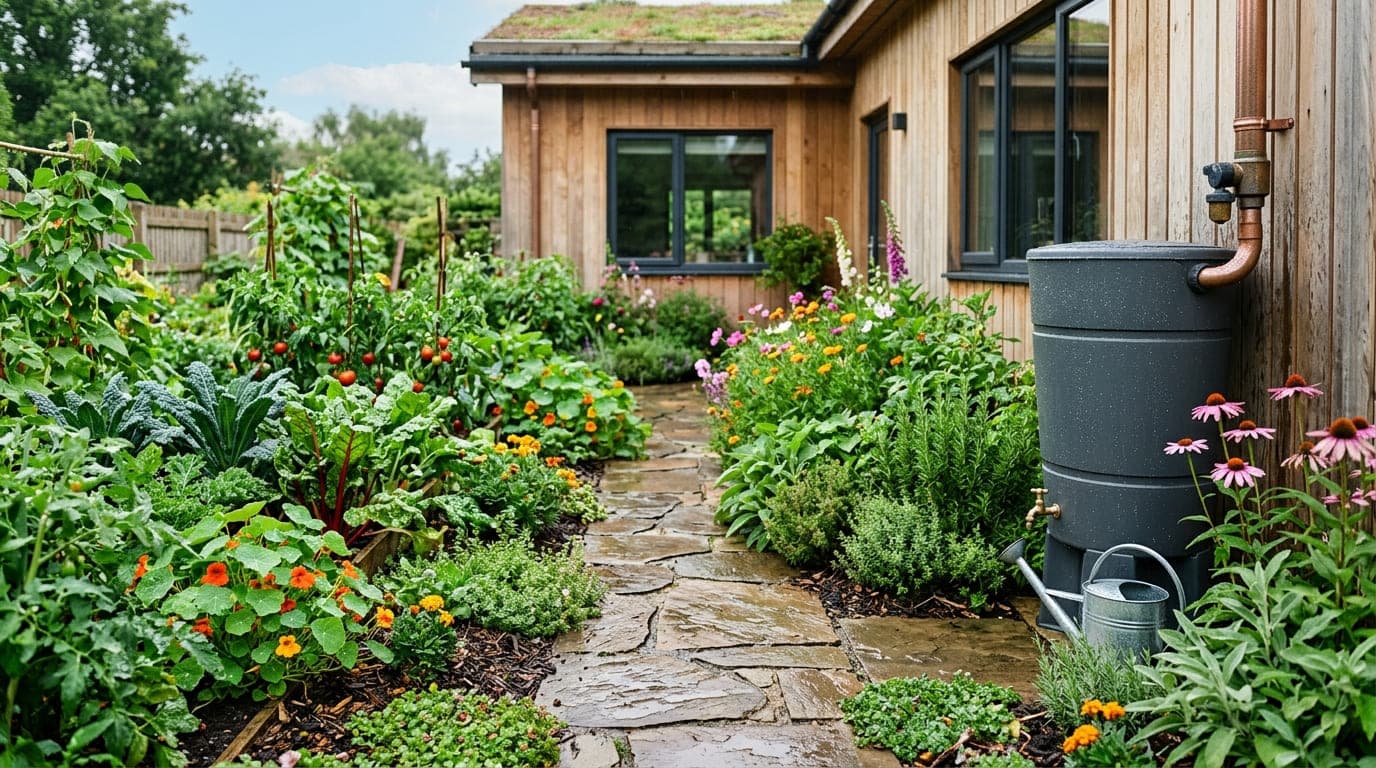
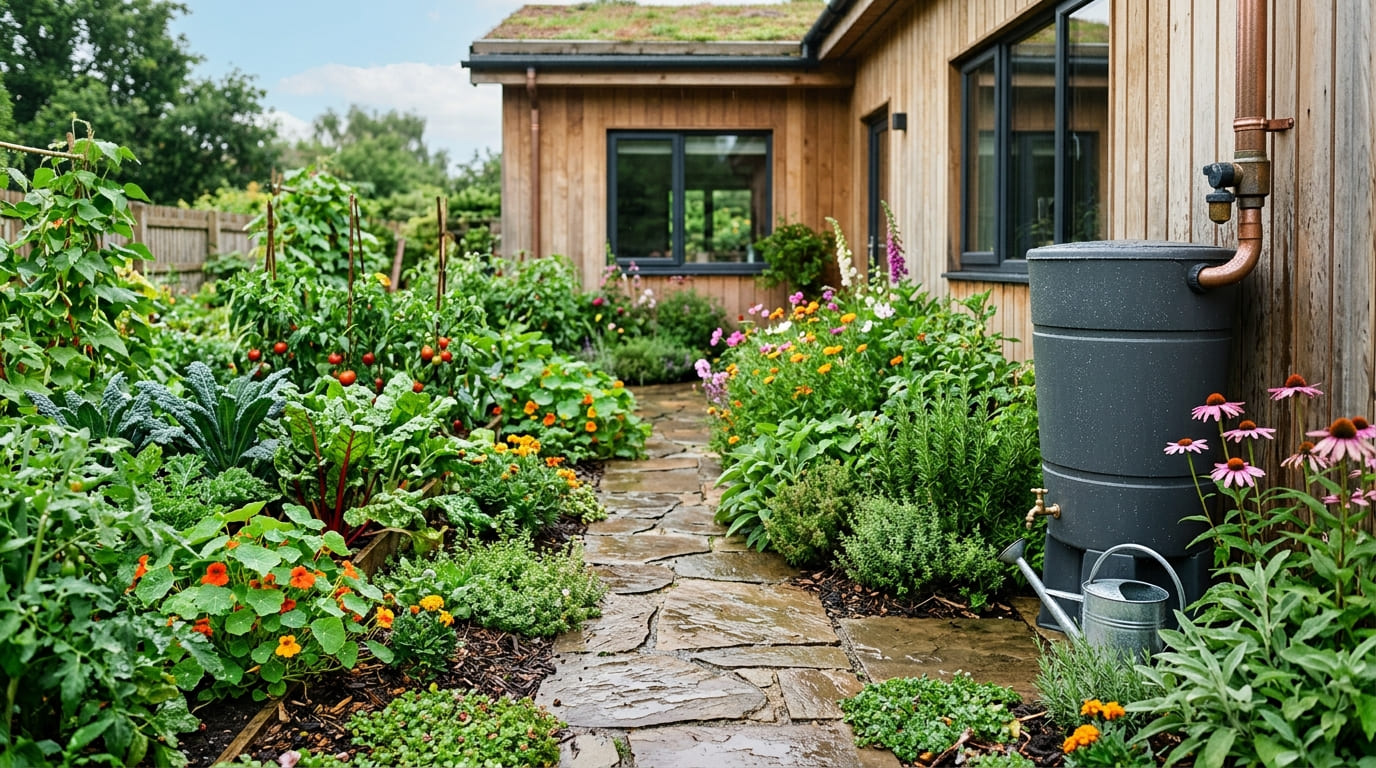
Rainwater harvesting is a simple way to collect and store rainfall for suitable garden uses. With the right setup, even a small home can make better use of rain when it is available.
Water is one of the most important resources in any garden. During dry periods, keeping plants hydrated can require significant amounts of water. Collecting rainfall gives gardeners another useful water source while helping make outdoor spaces more resource-conscious.
You do not need a complicated system to begin. A clean collection area, suitable storage container, and a few simple habits can make rainwater harvesting much easier.
1. Start With a Simple Rainwater Collection System
Beginners can start small. A suitable rain barrel or covered storage container connected to a roof or gutter system can collect rainfall during suitable weather.
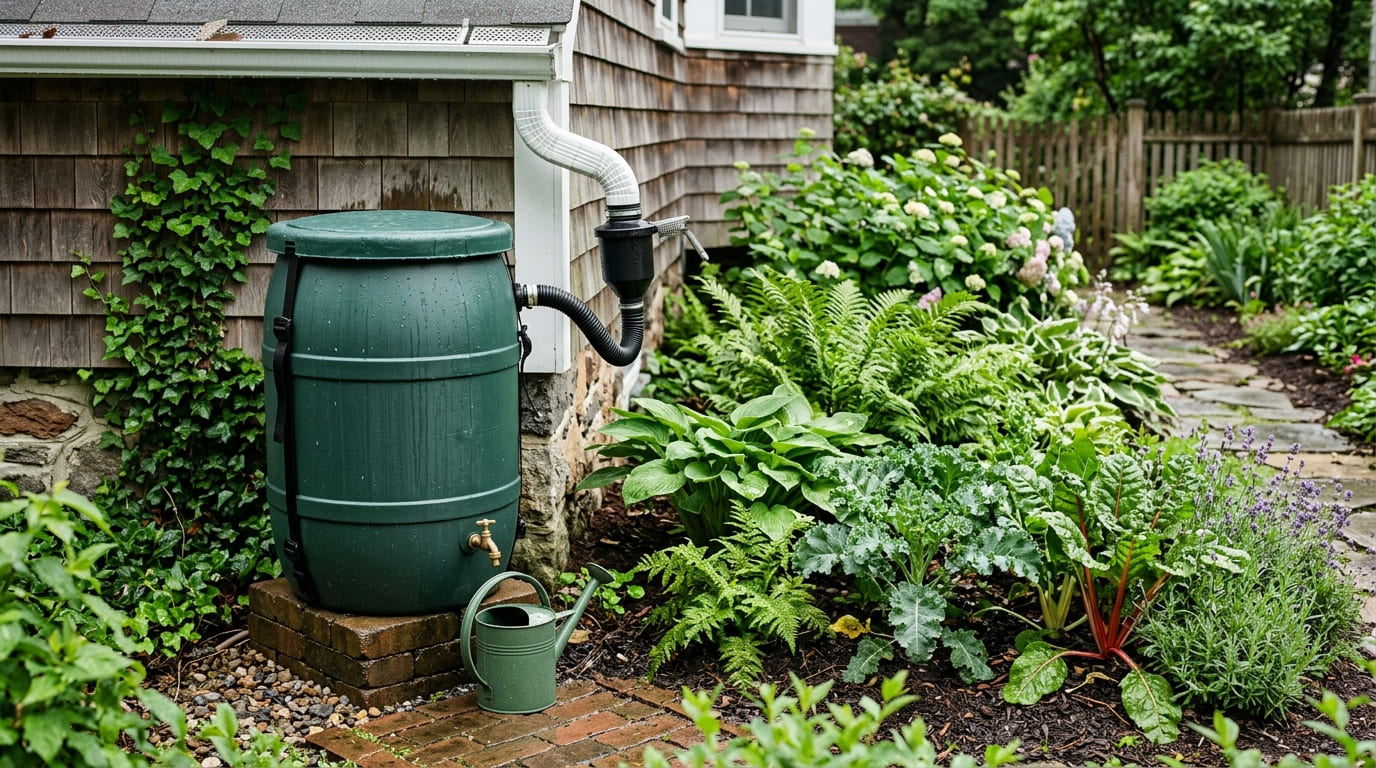
Make sure the container is stable, covered, and designed for water storage. A secure lid can help keep leaves, insects, and debris out.
Simple Tip
Start with one collection container and learn how much water you typically collect before expanding your system.
2. Choose the Right Collection Area
Roofs and gutters can provide an efficient collection surface because rainfall naturally flows toward a central drainage point.
Keep collection surfaces and gutters maintained so that excessive leaves, dirt, and other debris do not enter your storage system.
3. Keep Rainwater Storage Covered
Open containers can collect leaves and other debris and may create conditions where insects can breed. Use a secure cover or purpose-built rainwater storage container.
Regularly inspect the container and remove accumulated debris when necessary.
4. Use Rainwater for Suitable Garden Tasks
Stored rainwater can be useful for many outdoor gardening tasks, depending on local guidance and the quality of the collected water.
- Watering ornamental plants
- Watering suitable garden beds
- Cleaning outdoor gardening tools
- Maintaining certain outdoor areas
- Supporting container plants when appropriate
Important
Rainwater collected from roofs or other surfaces should not automatically be considered drinking water. Use it only for purposes appropriate to your collection system and local regulations.
5. Water Your Garden at the Right Time
Collecting rainwater is only part of using water efficiently. Timing your irrigation can also reduce unnecessary water loss.
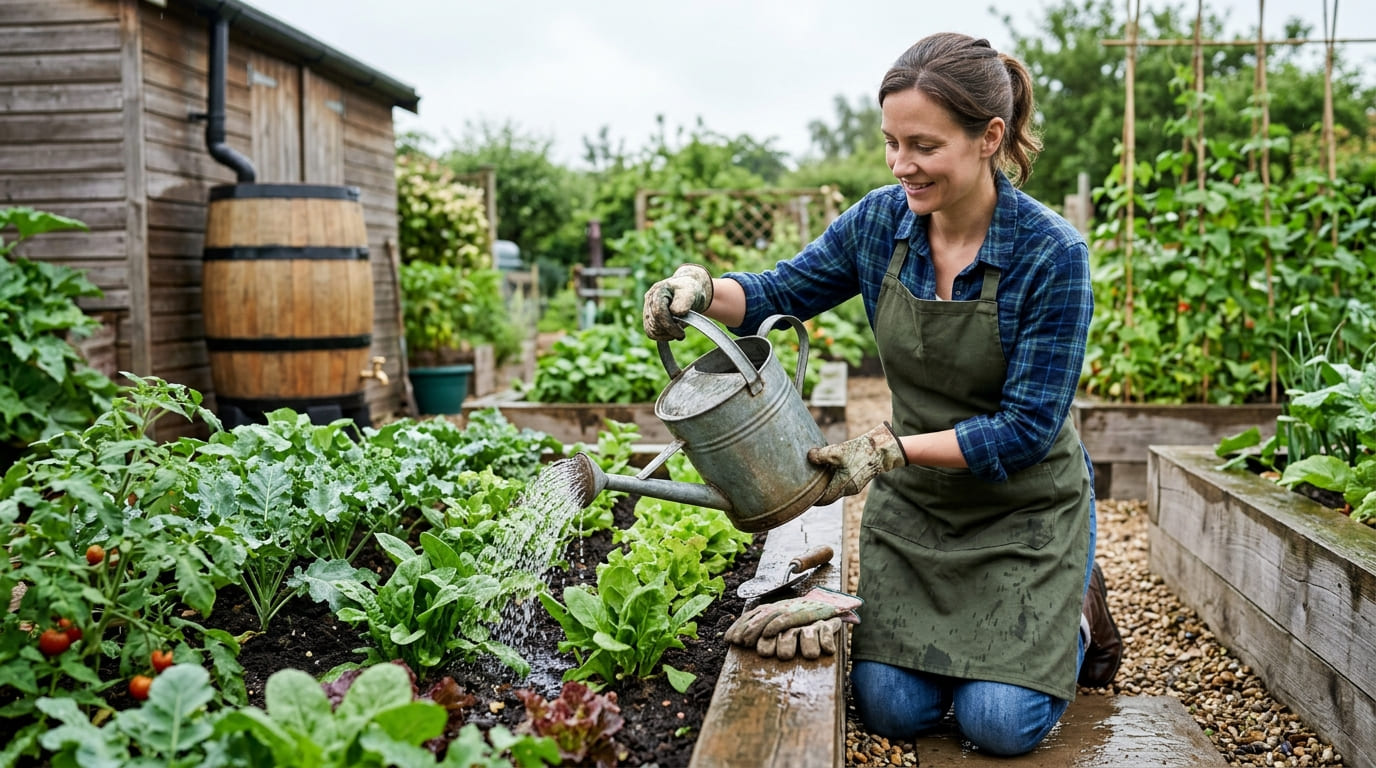
Watering during cooler parts of the day can help reduce evaporation, especially during hot weather. Focus water around the root zone rather than unnecessarily wetting large areas of soil.
6. Keep Your Soil Covered
Healthy soil management can help your garden make better use of available water. Organic mulch placed around plants can reduce evaporation and help protect the soil surface.
- Use suitable organic mulch.
- Avoid piling mulch directly against plant stems.
- Refresh mulch as it breaks down.
- Combine mulching with appropriate watering practices.
7. Check Your Gutters and Downspouts
A rainwater harvesting system works better when its collection pathway is clear. Leaves and other debris can restrict water flow and reduce the amount of rainfall reaching your storage container.
Inspect gutters and downspouts regularly, particularly before periods when heavier rainfall is expected.
8. Prevent Overflow Problems
A full rain barrel needs somewhere for excess water to go. Plan an overflow route that directs water away from foundations and other areas where standing water could cause problems.
Good overflow planning protects both your home and your garden while allowing additional rainfall to return safely to the landscape.
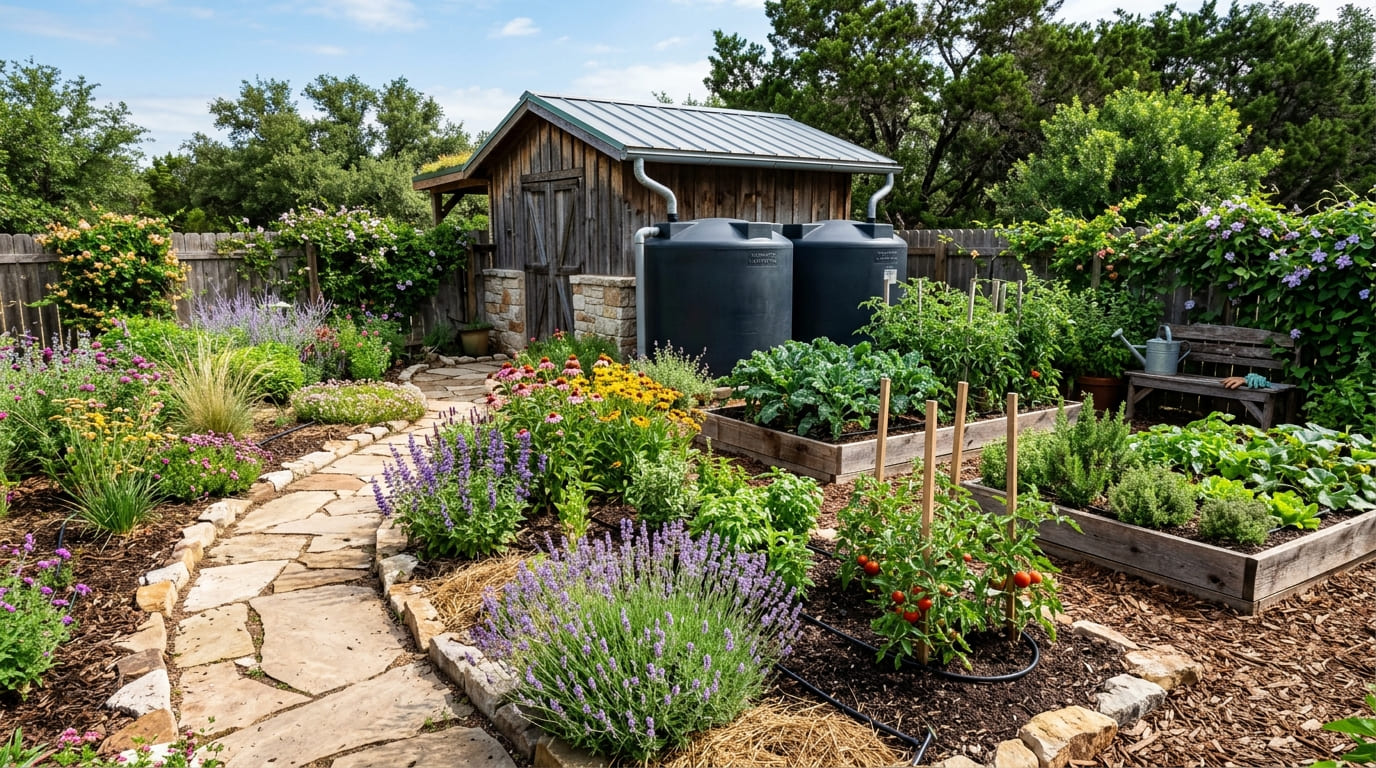
9. Combine Rainwater Harvesting With Water-Wise Gardening
Rainwater harvesting becomes even more effective when combined with plants and gardening methods that do not require excessive irrigation.
- Choose plants suited to your local climate.
- Group plants with similar water requirements.
- Improve soil with suitable organic matter.
- Use mulch to reduce evaporation.
- Monitor plants instead of watering automatically every day.
10. Maintain Your Rainwater System
A small amount of regular maintenance can keep your system working efficiently. Check the container, connections, screens, gutters, and overflow pathway periodically.
Rainwater Harvesting Checklist
- Keep gutters and collection surfaces clear.
- Use a secure cover on your storage container.
- Inspect connections and hoses regularly.
- Plan a safe overflow route.
- Clean storage components when necessary.
- Use collected water only for appropriate purposes.
- Monitor your garden's water needs.
Common Rainwater Harvesting Mistakes
A few simple mistakes can reduce the usefulness of a rainwater system. Avoid these common problems:
- Leaving storage containers uncovered: This can allow debris and insects to enter.
- Ignoring overflow: Always plan where excess water will go when the container is full.
- Neglecting gutters: Blocked collection pathways can reduce water flow.
- Overwatering plants: More water does not necessarily mean healthier plants.
- Using collected water without considering safety: Understand what your collected water is suitable for before using it.
Why Rainwater Harvesting Is Worth Trying
Rainwater harvesting turns rainfall that would otherwise run off your property into a useful resource for appropriate outdoor applications. It can complement other sustainable gardening practices and encourage more thoughtful water use.
The best system is not necessarily the biggest one. A simple setup that you maintain consistently can be more useful than a complicated system that is difficult to manage.
Start Saving Rainwater
Start with one simple collection container, maintain it regularly, and combine rainwater harvesting with smarter garden watering habits.
Explore Rainwater GardeningGet Greener Ideas
Join our newsletter for weekly eco-living tips, gardening guides, and DIY projects.