10 Easy Sustainable Home Ideas for a Greener Lifestyle
Create a greener home with simple sustainable living ideas that save resources, reduce waste, and make everyday life more eco-friendly.
10 Easy Sustainable Home Ideas for a Greener Lifestyle
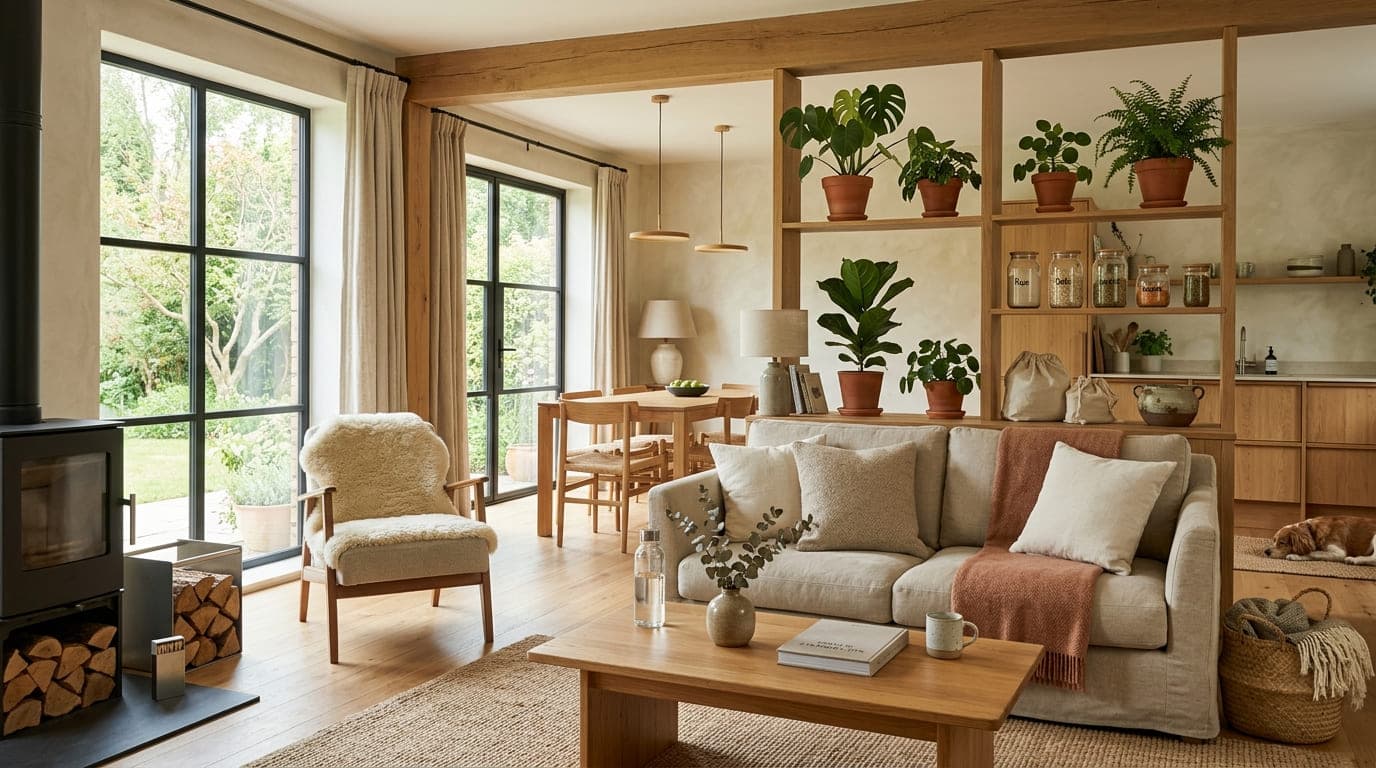
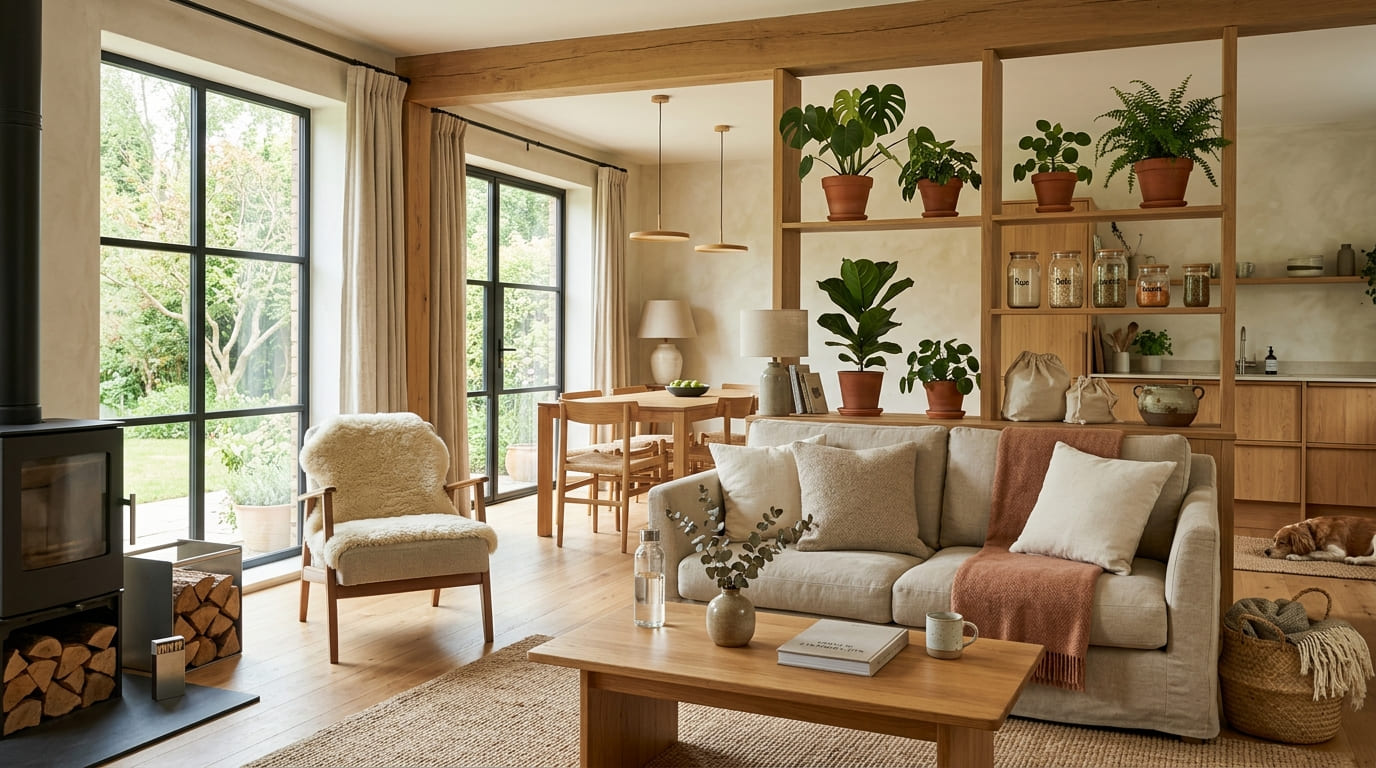
Creating a sustainable home doesn't mean changing everything overnight. Small improvements in how you use energy, water, products, and household resources can make your home more efficient and environmentally friendly.
A sustainable home is not about perfection. It is about making thoughtful choices that reduce unnecessary waste and resource use while creating a comfortable place to live.
From switching to efficient lighting to reducing food waste, there are many simple changes you can make without completely changing your lifestyle.
1. Reduce Your Energy Use
Energy efficiency is one of the easiest places to start. Simple habits can help reduce unnecessary electricity use around your home.
- Turn off lights when rooms are not being used.
- Unplug devices you rarely use.
- Use energy-efficient light bulbs.
- Take advantage of natural daylight.
- Choose efficient appliances when replacing old ones.
You don't need to make every change at once. Start with the habits that are easiest to maintain consistently.
2. Make Better Use of Natural Light
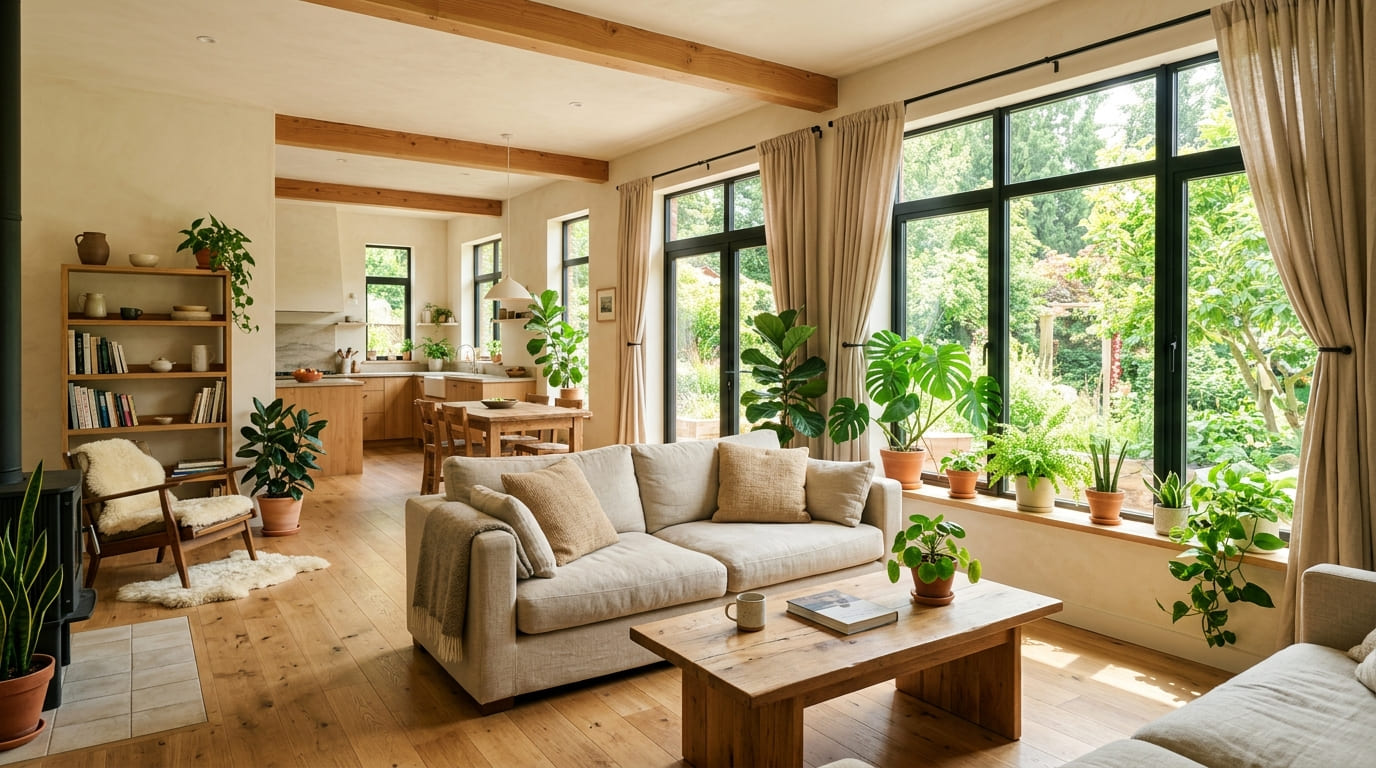
Natural daylight can make your home feel brighter while reducing the need for artificial lighting during the day.
Keep windows clear of unnecessary obstacles and arrange frequently used spaces so they can benefit from available daylight.
3. Save Water Every Day
Water is another important resource to use thoughtfully. Small changes in daily routines can reduce unnecessary water consumption.
- Fix leaking taps and pipes promptly.
- Don't leave water running unnecessarily.
- Take shorter showers when practical.
- Run washing machines and dishwashers with full loads.
- Reuse suitable household water for plants where safe and appropriate.
Simple Habit
Before using water, ask whether you actually need it running. This small pause can prevent a surprising amount of unnecessary waste.
4. Choose Reusable Products
Reusable products can reduce the number of disposable items entering your household waste stream.
Consider reusable shopping bags, food containers, water bottles, coffee cups, cloth towels, and other durable alternatives to frequently discarded products.
5. Reduce Household Waste
A sustainable home starts with buying and throwing away less. Before purchasing something new, consider whether you really need it and whether a durable alternative is available.
- Buy products designed to last.
- Repair items when practical.
- Donate useful items instead of throwing them away.
- Recycle according to local recycling systems.
- Avoid unnecessary packaging where possible.
6. Create a More Sustainable Kitchen
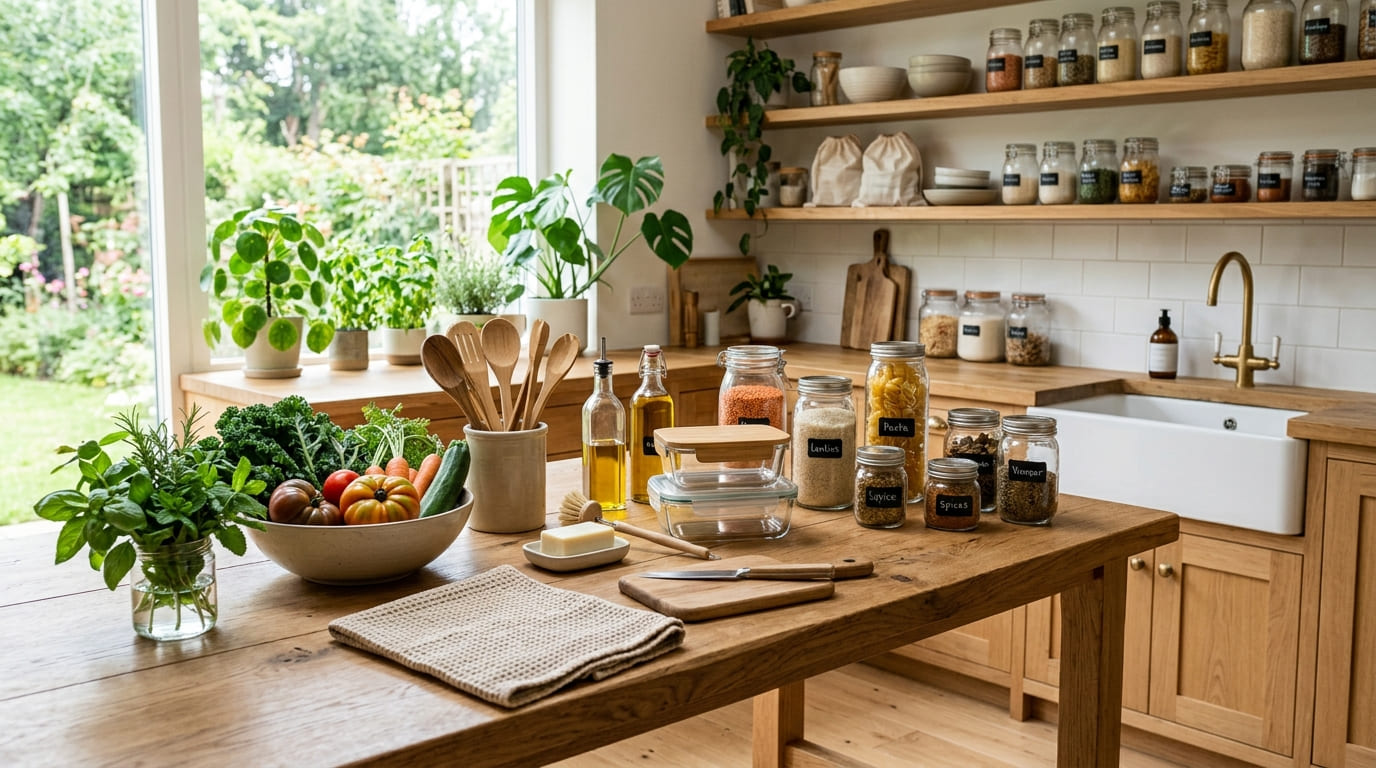
The kitchen is one of the best places to introduce sustainable habits. It is also where many households produce unnecessary food and packaging waste.
Practical Kitchen Ideas
- Store food in reusable containers.
- Plan meals to reduce food waste.
- Use reusable kitchen towels.
- Choose durable cooking tools.
- Buy seasonal food when practical.
7. Reduce Food Waste
Wasted food also represents wasted water, energy, transportation, packaging, and agricultural resources. Using the food you already purchased is therefore an important sustainability habit.
Plan meals before shopping, store food properly, and use leftovers creatively. Compost suitable food scraps when a composting system is available to you.
8. Choose Eco-Friendly Cleaning Habits
Household cleaning doesn't need to generate large amounts of packaging waste. Look for refillable or concentrated products where suitable, and use reusable cleaning cloths instead of constantly buying disposable ones.
Always follow product instructions and avoid mixing cleaning chemicals. Sustainability should never come at the expense of household safety.

9. Bring More Plants Into Your Home
Indoor plants can add natural beauty and make living spaces feel more connected to nature. Choose plants that match the available light and the amount of care you can realistically provide.
You can also reuse suitable containers as plant pots and grow herbs indoors when conditions allow.
10. Buy Less and Choose Better
One of the most powerful sustainable home habits is simply consuming more thoughtfully.
Instead of replacing items because of trends, focus on products that are durable, repairable, reusable, and genuinely useful.
The Better-Buy Rule
Before buying something new, ask yourself: Do I need it? Will I use it regularly? Can I repair it? Can I choose a durable option instead?
Make Sustainability Easier at Home
Sustainable habits are more likely to last when they are simple. Instead of creating a complicated list of rules, build a few practical habits into your normal routine.
For example, keep reusable bags near the door, place recycling bins in convenient locations, and keep reusable containers easy to access.
Common Sustainable Home Mistakes
Trying to become perfectly sustainable overnight can make the process unnecessarily difficult. Avoid focusing only on expensive products or complicated technologies.
- Buying too many "eco" products you don't actually need.
- Replacing usable items simply because a newer version is available.
- Ignoring energy and water habits while focusing only on products.
- Expecting every sustainable choice to be perfect.
- Making changes that are too complicated to maintain.
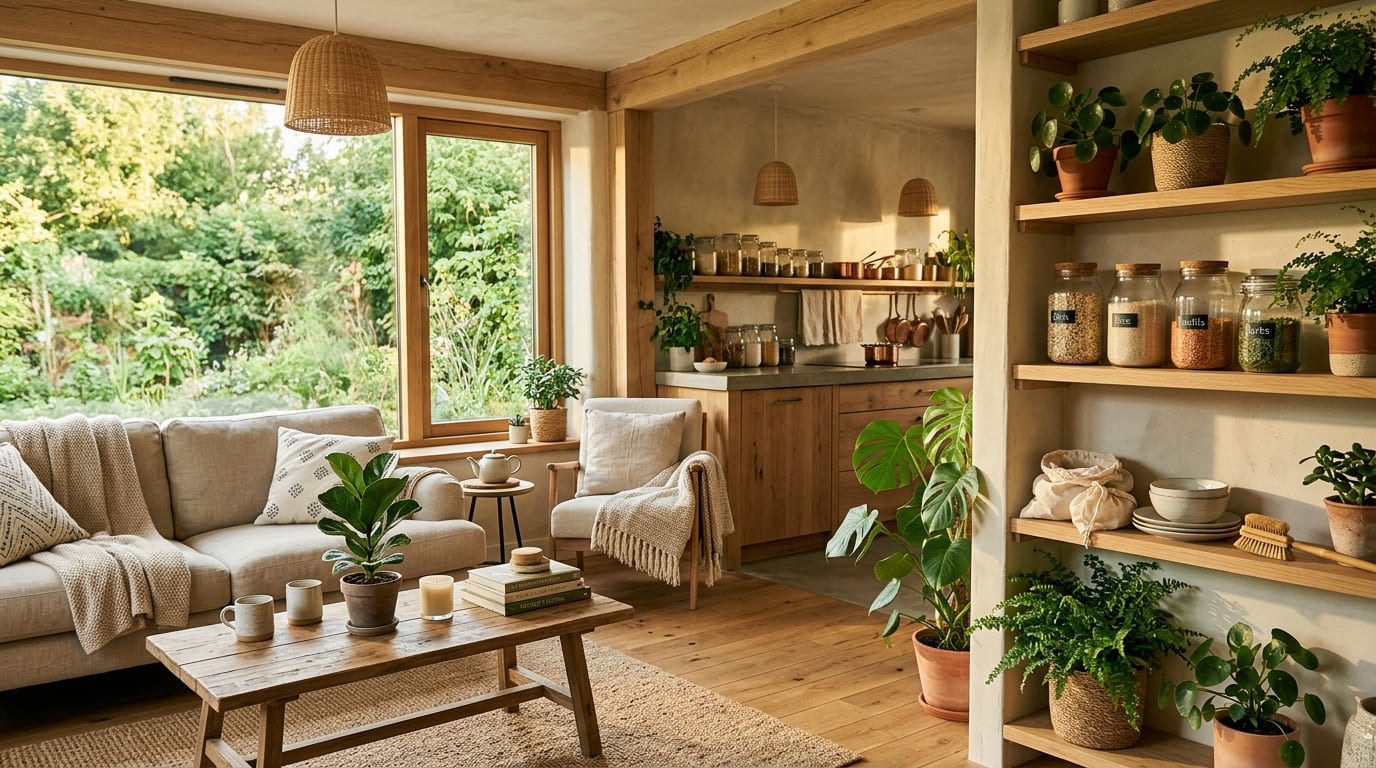
Sustainable Home Checklist
Simple Green Home Checklist
- Reduce unnecessary electricity use.
- Use natural daylight whenever practical.
- Fix water leaks quickly.
- Choose reusable products.
- Reduce unnecessary packaging and waste.
- Plan meals to prevent food waste.
- Use refillable or reusable cleaning supplies where suitable.
- Choose durable products that can be repaired.
- Grow or care for plants at home.
- Build sustainable habits gradually.
Why a Sustainable Home Matters
A greener home is not only about environmental benefits. Efficient energy and water use can also help reduce household resource consumption, while buying fewer disposable products can simplify everyday life.
Most importantly, sustainable living becomes more realistic when it is based on practical habits rather than perfection.
Final Thoughts
Creating a sustainable home doesn't require a complete lifestyle transformation. Start with small changes that fit naturally into your daily routine.
Use less energy, save water, reduce waste, choose reusable products, and buy thoughtfully. Over time, these simple decisions can create a home that is more efficient, comfortable, and environmentally conscious.
Make Your Home More Sustainable
Discover practical ideas for greener living, smarter resource use, sustainable gardening, and a more eco-friendly home with TERAVOA.
Explore Sustainable LivingGet Greener Ideas
Join our newsletter for weekly eco-living tips, gardening guides, and DIY projects.