10 Easy Vegetable Gardening Tips for a Productive Home Garden
Learn simple vegetable gardening tips for choosing crops, preparing soil, watering, spacing, and growing fresh vegetables at home.
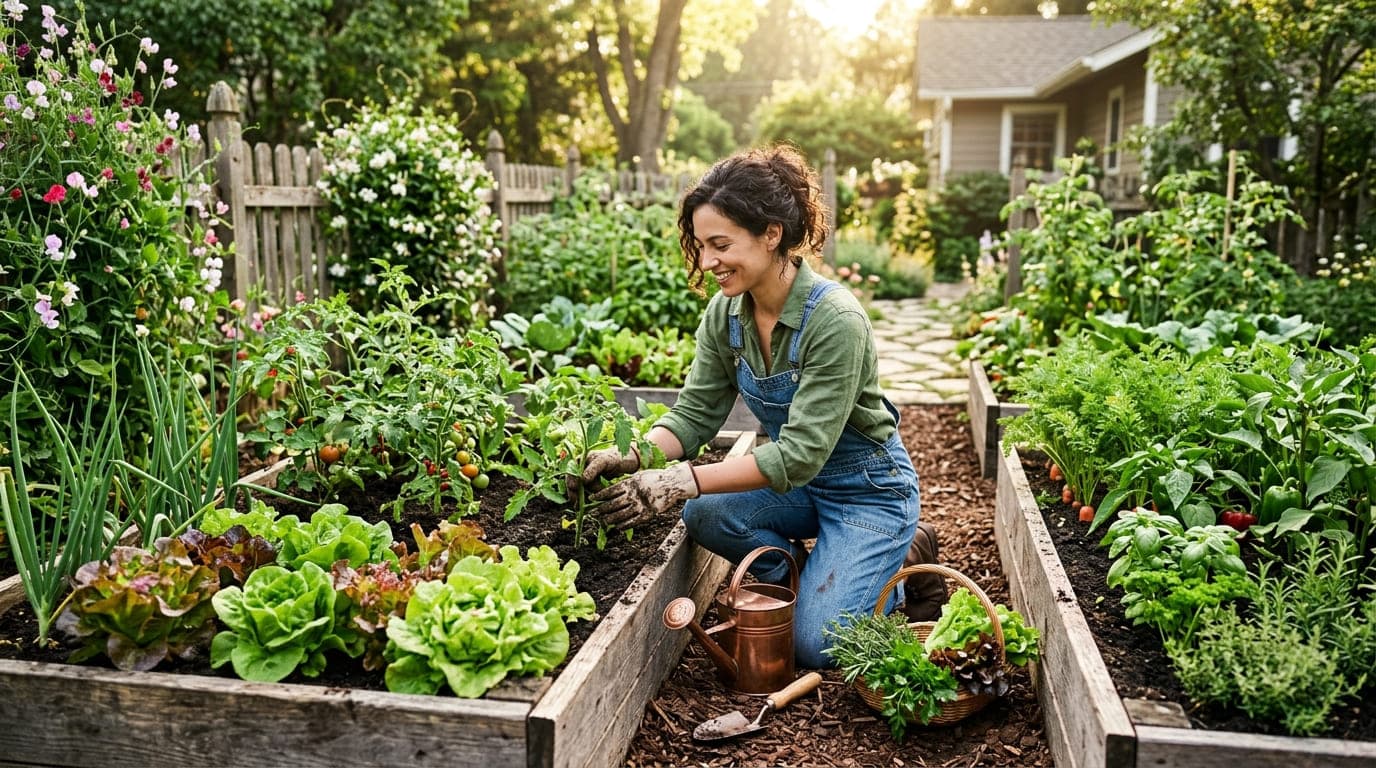
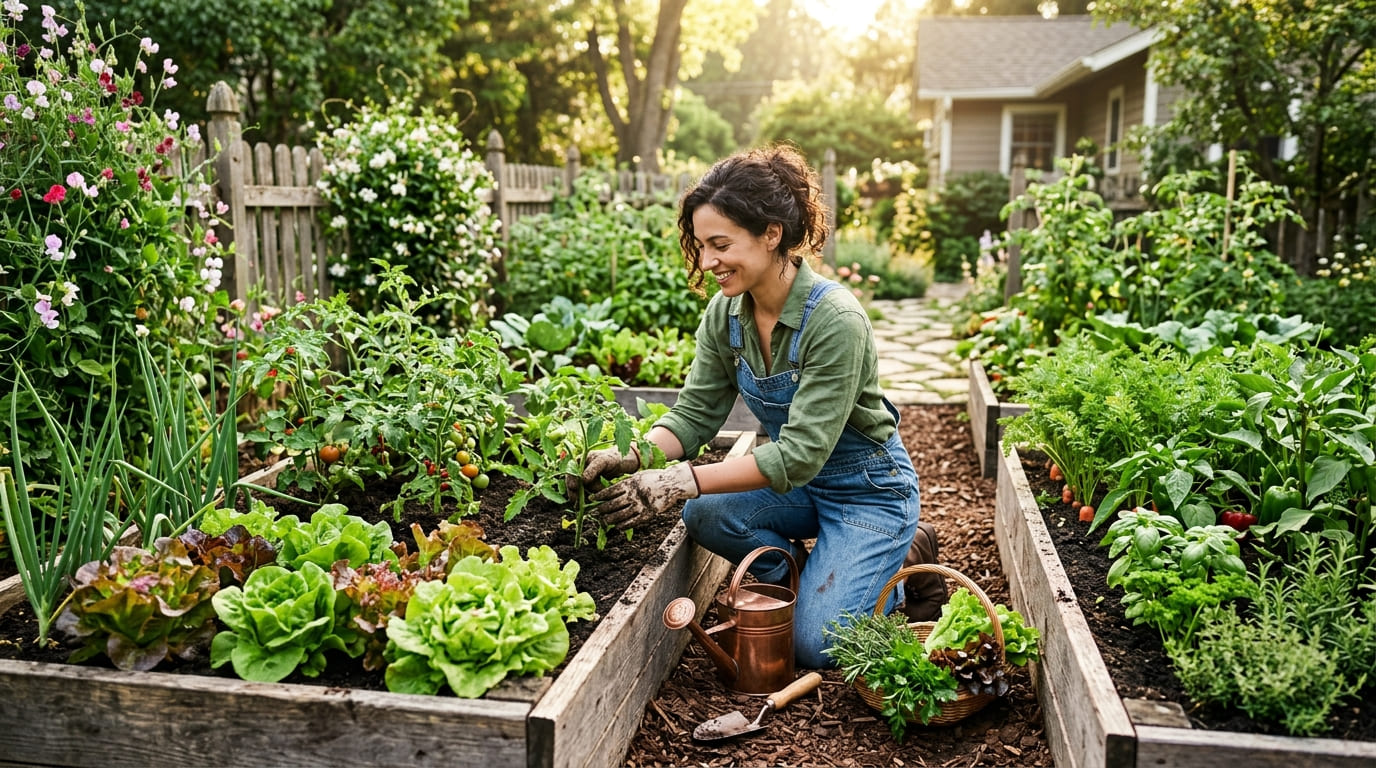
10 Easy Vegetable Gardening Tips for Beginners
Want to grow fresh vegetables at home? These simple vegetable gardening tips will help you choose the right crops, prepare healthy soil, water correctly, and build a productive garden even if you are just getting started.
1. Choose Vegetables That Suit Your Space
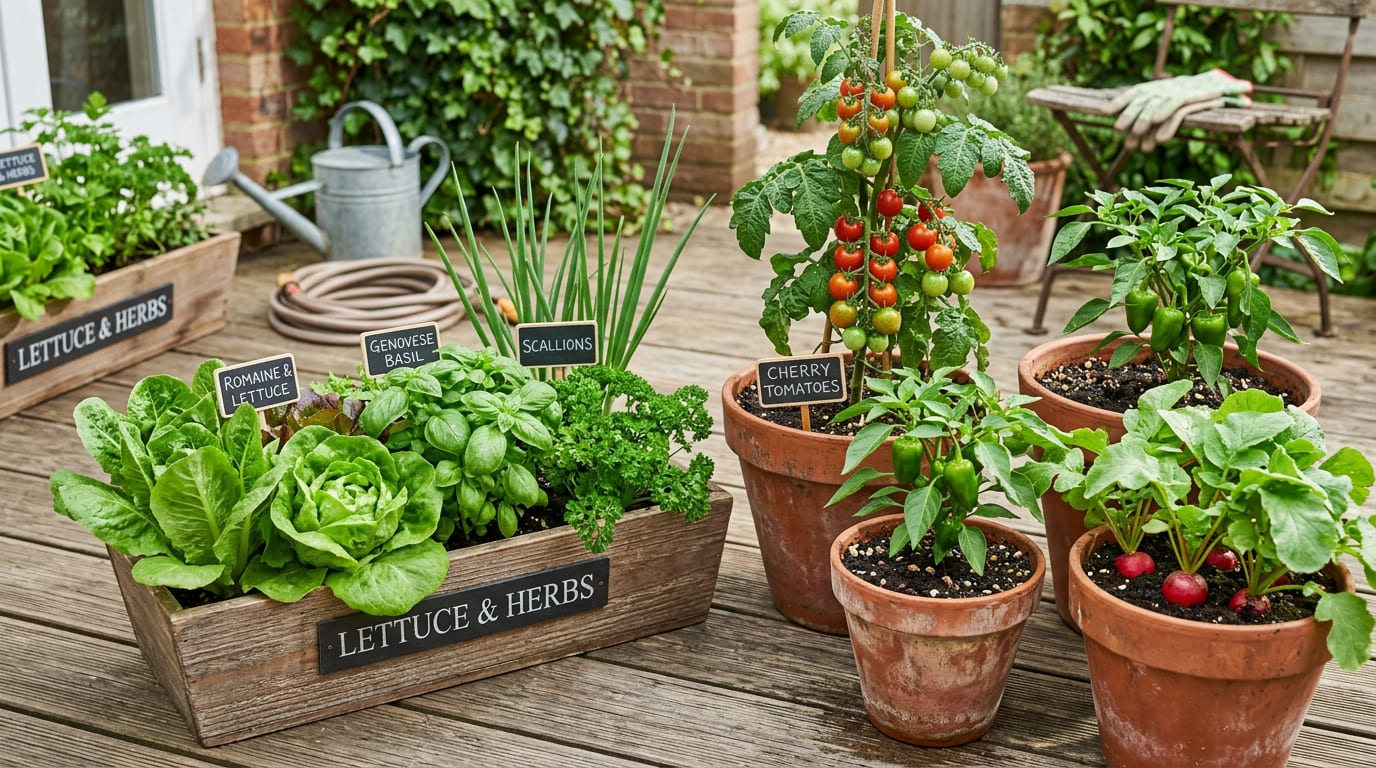
One of the easiest ways to succeed with vegetable gardening is to choose plants that match the space you actually have. You do not need a large backyard to grow useful and delicious vegetables.
If you have a small garden, balcony, patio, or terrace, start with productive vegetables that grow well in containers or compact spaces.
- Lettuce and leafy greens
- Radishes and green onions
- Herbs such as basil and parsley
- Cherry tomatoes
- Compact peppers
Beginner Tip
Start with a few vegetables rather than planting everything at once. A smaller garden is easier to maintain and helps you learn what works in your space.
2. Give Vegetables Enough Sunlight
Sunlight is one of the most important factors in successful vegetable gardening. Most common vegetables grow best when they receive several hours of direct sunlight each day.
Before planting, observe how sunlight moves across your garden. Notice which areas receive the most light and which remain shaded.
- Place sun-loving vegetables in the brightest areas.
- Use partially shaded areas for suitable leafy greens.
- Avoid placing tall plants where they will block smaller crops.
- Check sunlight patterns throughout the day before planting.
3. Prepare Healthy Soil
Healthy soil gives vegetable plants a strong foundation. Good soil provides roots with moisture, nutrients, air, and enough space to develop properly.
Before planting, remove large stones and weeds and loosen compacted soil. Adding mature compost can improve soil structure and support healthy plant growth.
Simple Soil Improvements
- Add mature compost to improve organic matter.
- Break up compacted areas before planting.
- Keep the soil covered with mulch when appropriate.
- Avoid disturbing the soil more than necessary.
4. Water Consistently and Correctly
Vegetables need consistent moisture, especially while young. However, watering more does not always mean better growth. Overwatering can create problems with roots and soil conditions.
Water the soil around the base of plants rather than constantly wetting the leaves. Morning watering is often a practical choice because plants have time to use the moisture during the day.
Watering Tip
Check the soil before watering. If the surface is dry, feel the soil a little deeper before deciding whether your plants need more water.
5. Give Plants Enough Space
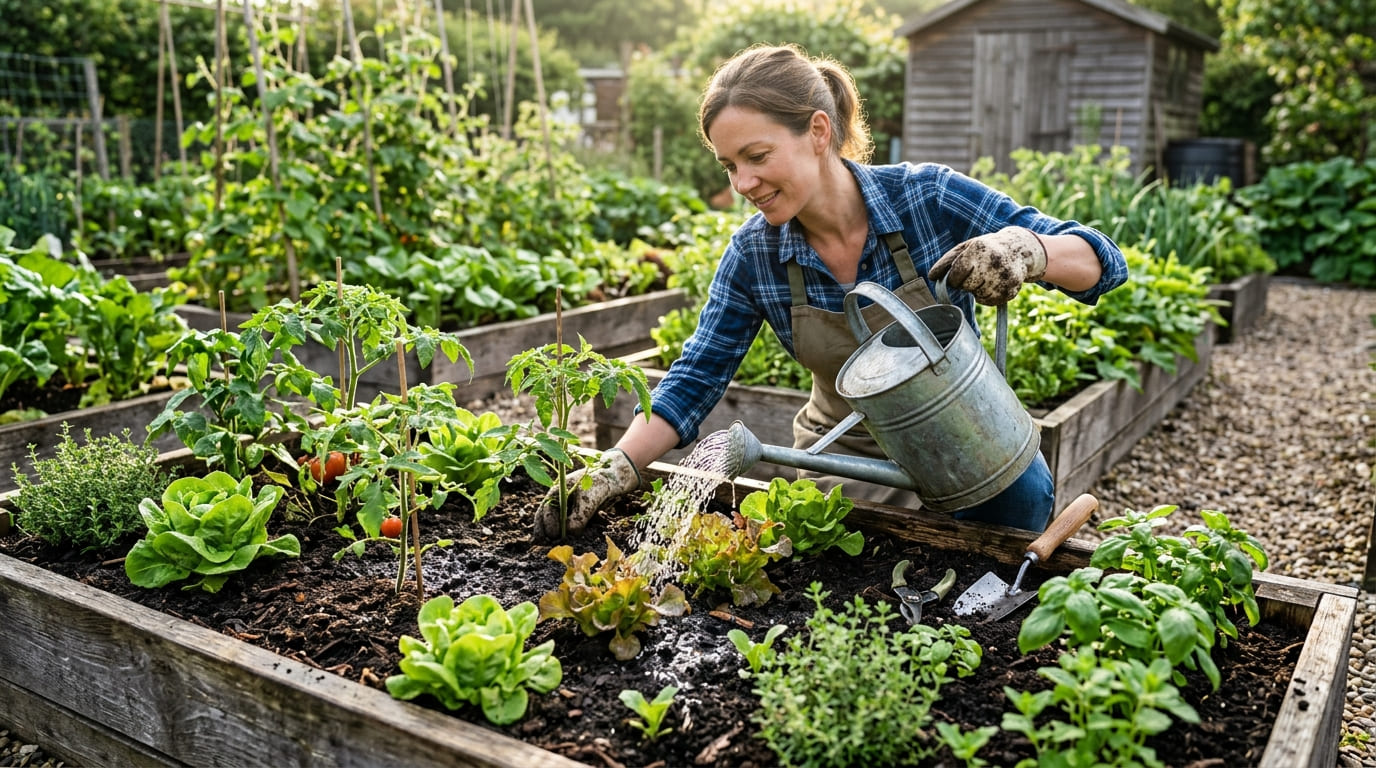
It can be tempting to plant as many vegetables as possible, but overcrowding can make a garden harder to manage.
Plants need enough room for their roots, leaves, and overall growth. Good spacing also improves airflow and makes it easier to inspect plants for pests or disease.
- Follow the spacing recommendations for each crop.
- Leave enough room between rows when possible.
- Thin seedlings when they become overcrowded.
- Use compact varieties when gardening in small spaces.
6. Use Mulch to Protect the Soil
Mulch can be extremely useful in a vegetable garden. It helps reduce moisture loss, protects the soil surface, and can slow the growth of weeds.
Organic materials such as clean straw, shredded leaves, or suitable garden mulch can work well when applied appropriately.
Keep mulch slightly away from plant stems to reduce excess moisture directly around the base of the plant.
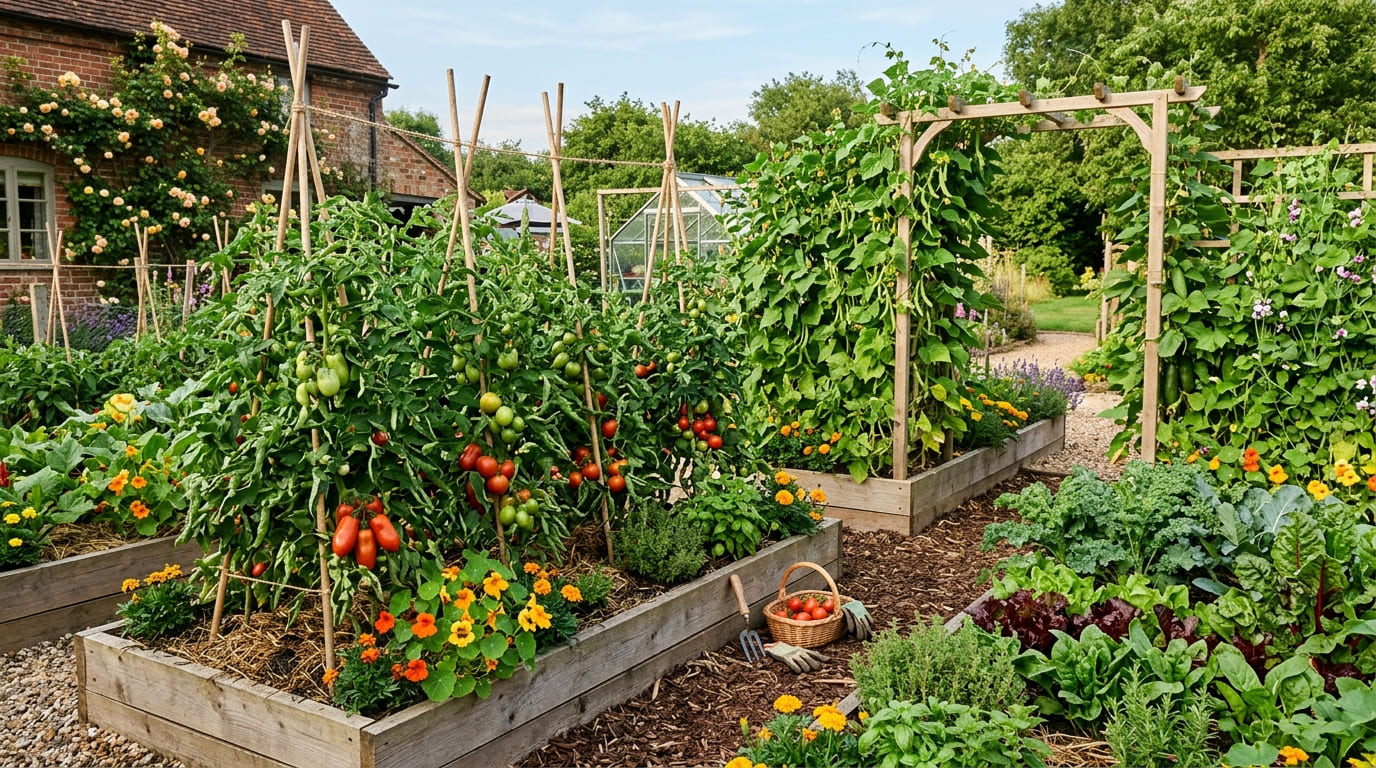
7. Support Climbing Vegetables
Some vegetables naturally grow upward and benefit from support. Tomatoes, peas, beans, and certain cucumber varieties can use stakes, trellises, or other simple structures.
Supporting plants can save space and keep fruits and foliage more organized. It can also make harvesting easier.
- Use strong stakes for plants that become heavy.
- Install trellises before plants become difficult to manage.
- Secure growing stems gently with suitable garden ties.
- Check supports regularly as plants grow.
8. Protect Vegetables From Pests Naturally
Garden pests are a normal part of vegetable gardening. Instead of immediately reaching for harsh solutions, start by identifying the problem and observing your plants carefully.
Healthy plants, good spacing, clean garden beds, and biodiversity can all contribute to a more balanced growing environment.
Helpful Habits
- Inspect leaves regularly for unusual damage.
- Remove heavily damaged leaves when appropriate.
- Encourage beneficial insects with suitable flowers.
- Keep weeds and plant debris under control.
- Use physical barriers when suitable for the crop.
9. Harvest Vegetables at the Right Time
Harvesting is one of the most rewarding parts of growing vegetables. Picking crops at the right stage can help you enjoy better flavor and encourage some plants to continue producing.
Check your plants regularly instead of waiting too long. Leafy greens, herbs, beans, tomatoes, and many other crops can change quickly once they reach harvest size.
Harvest Tip
Harvest gently and use clean garden scissors or a suitable tool when needed. Avoid pulling or damaging the main plant unnecessarily.
10. Keep a Simple Gardening Routine
You do not need to spend hours every day in your vegetable garden. A short and consistent routine is often more useful than occasional intensive maintenance.
- Check soil moisture.
- Inspect leaves and stems.
- Remove weeds when they are small.
- Check plant supports.
- Harvest ready vegetables.
- Remove unhealthy plant material when necessary.
Common Vegetable Gardening Mistakes
Beginners often make a few simple mistakes when starting a vegetable garden. The good news is that most of them are easy to avoid.
- Planting too many crops at once.
- Ignoring sunlight requirements.
- Overwatering plants.
- Planting vegetables too close together.
- Using poor or compacted soil.
- Forgetting to check plants regularly.
- Waiting too long to harvest.
Simple Vegetable Gardening Checklist
Before You Start
- Choose a location with suitable sunlight.
- Select vegetables that match your space.
- Prepare healthy, well-structured soil.
- Plan spacing before planting.
During the Growing Season
- Check soil moisture regularly.
- Watch for pests and plant damage.
- Keep weeds under control.
- Support climbing plants when necessary.
- Harvest vegetables at the right stage.
Why Vegetable Gardening Is Worth Trying
Growing vegetables at home can turn even a small outdoor space into a productive garden. It gives you a practical way to spend time outdoors, learn how plants grow, and enjoy fresh produce.
Vegetable gardening can also encourage more sustainable habits. Composting kitchen scraps, reusing containers, saving water, and growing some of your own food can all reduce waste and make your gardening routine more environmentally friendly.
Most importantly, you do not need to create a perfect garden from day one. Start small, observe what happens, and improve your garden as you learn.
Final Thoughts
Successful vegetable gardening starts with simple fundamentals: choose the right plants, provide enough sunlight, build healthy soil, water consistently, and give your vegetables enough space to grow.
With a little observation and regular care, even beginners can create a productive home vegetable garden and enjoy fresh harvests throughout the growing season.
Start Growing Your Own Vegetables
Start small, choose a few easy crops, and build your gardening skills one season at a time. A healthier and more productive vegetable garden starts with simple steps.
Discover More Gardening TipsGet Greener Ideas
Join our newsletter for weekly eco-living tips, gardening guides, and DIY projects.