
10 Easy Indoor Gardening Tips for a Greener Home
Learn simple indoor gardening tips for choosing plants, light, watering, containers, and creating a healthy indoor garden.
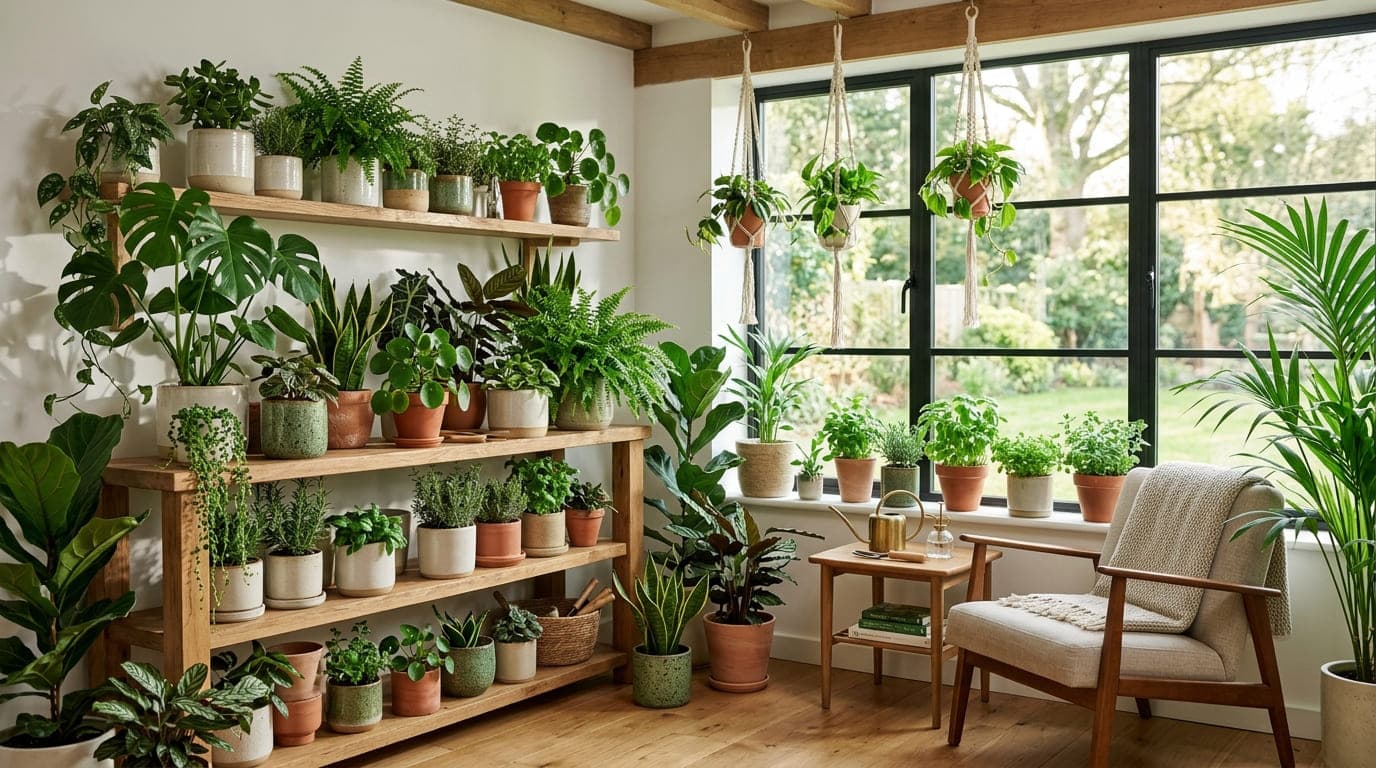
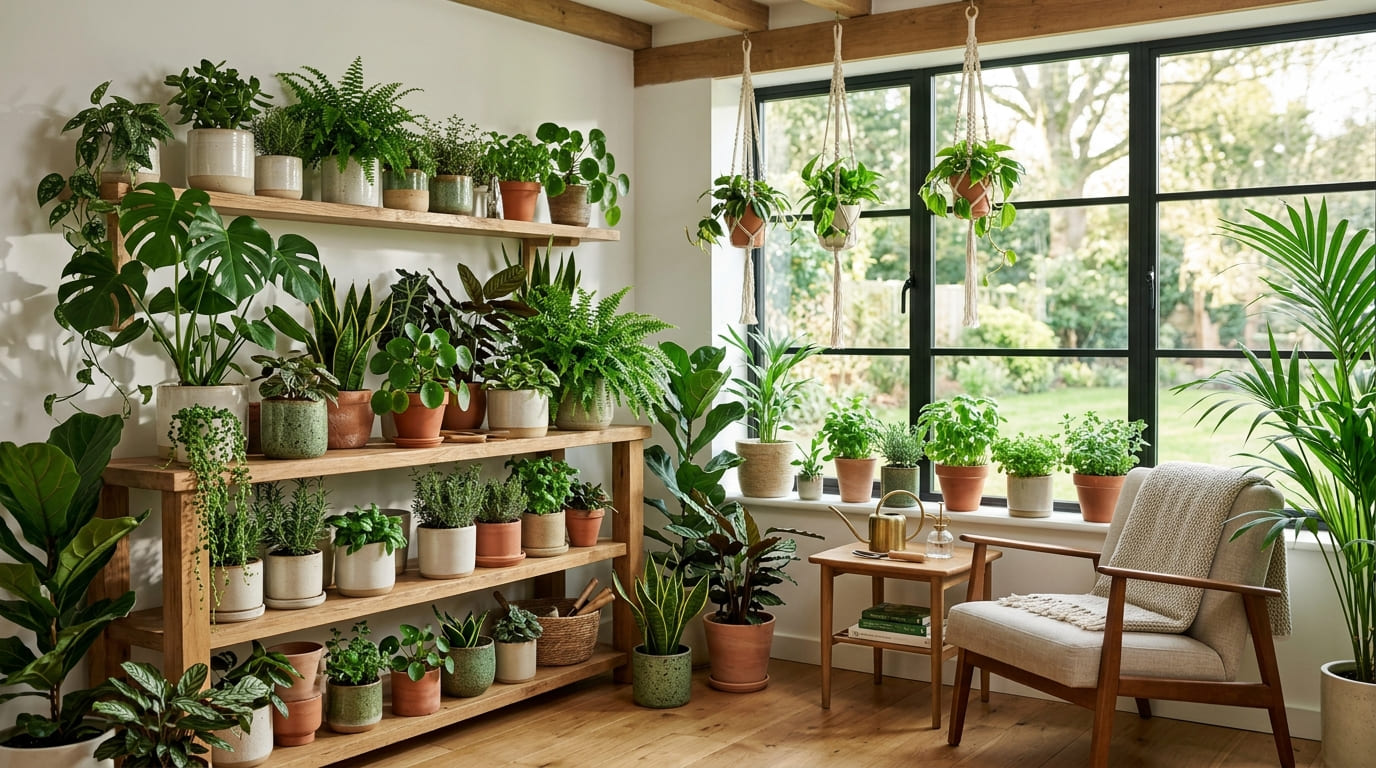
10 Easy Indoor Gardening Tips for Beginners
Indoor gardening is a simple way to bring more greenery into your home. With suitable plants, enough light, proper watering, and the right containers, you can create a healthy indoor garden even in a small space.
1. Start With Easy Indoor Plants
If you are new to indoor gardening, start with plants that are relatively easy to care for. Choosing plants that match your home conditions can make the learning process much easier.
Consider herbs, leafy plants, and hardy houseplants that can adapt well to your available light and indoor environment.
- Choose plants suitable for indoor conditions.
- Start with a small number of plants.
- Check each plant's light and watering needs.
2. Find the Right Light
Light is one of the most important factors in successful indoor gardening. Before placing your plants, observe which areas of your home receive bright, indirect, or lower light.
Place each plant according to its individual light requirements. A bright window may be ideal for some plants, while others may prefer filtered or indirect light.
Indoor Gardening Tip
Avoid choosing a plant simply because you like its appearance. First consider whether the light available in your home matches its needs.
3. Use Suitable Containers
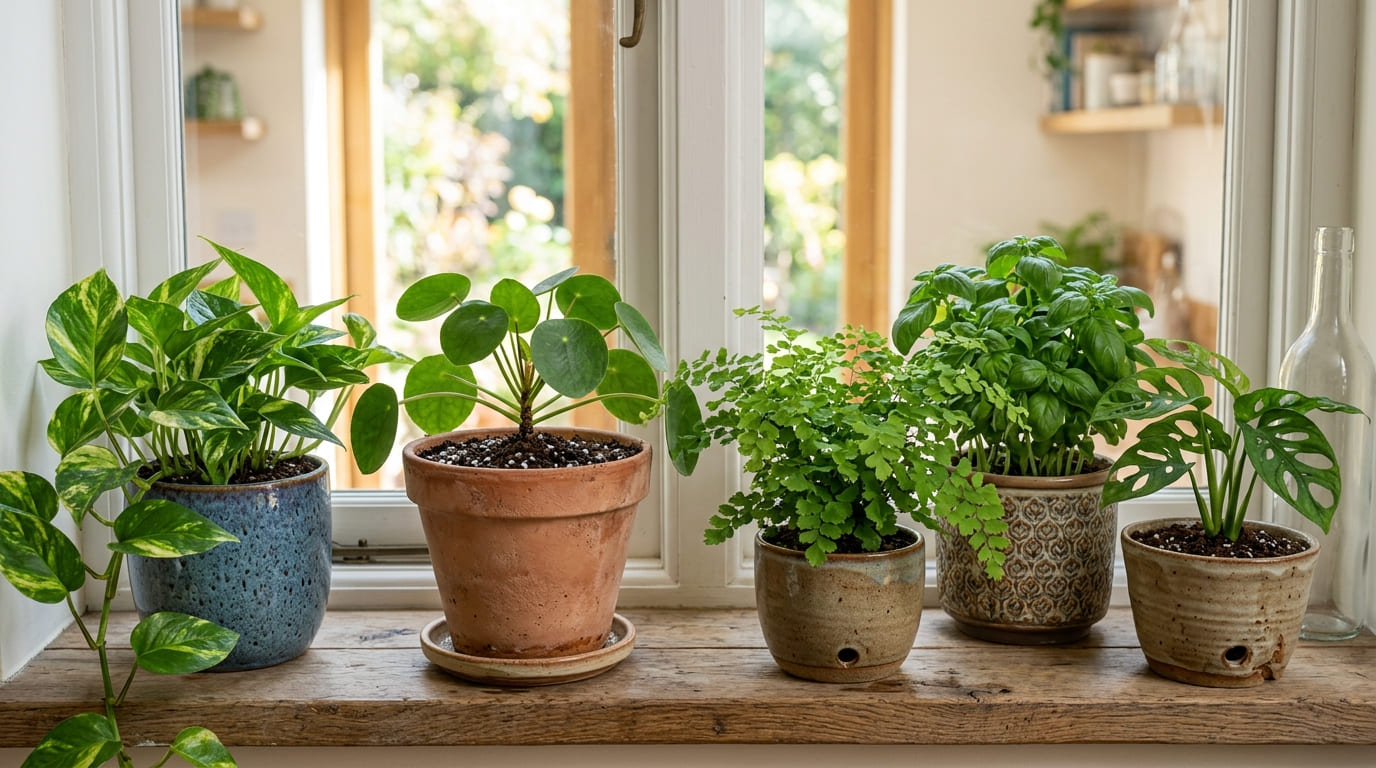
The right container can make a major difference in indoor plant health. Choose a pot that provides enough room for the roots and allows excess water to drain away.
Containers without proper drainage can keep soil too wet and may create problems for plant roots.
4. Choose the Right Indoor Soil
Indoor plants need a suitable growing medium that provides good drainage, air circulation, and support for healthy roots.
Avoid using heavy outdoor garden soil for every indoor plant. Choose a suitable potting mix based on the needs of the plants you are growing.
5. Water Carefully
Overwatering is one of the most common mistakes in indoor gardening. Instead of watering automatically, check the soil and learn how quickly it dries in your particular environment.
- Check soil moisture before watering.
- Make sure containers can drain excess water.
- Adjust watering based on light and indoor conditions.
- Avoid leaving plants sitting in excess water.
6. Give Plants Enough Space
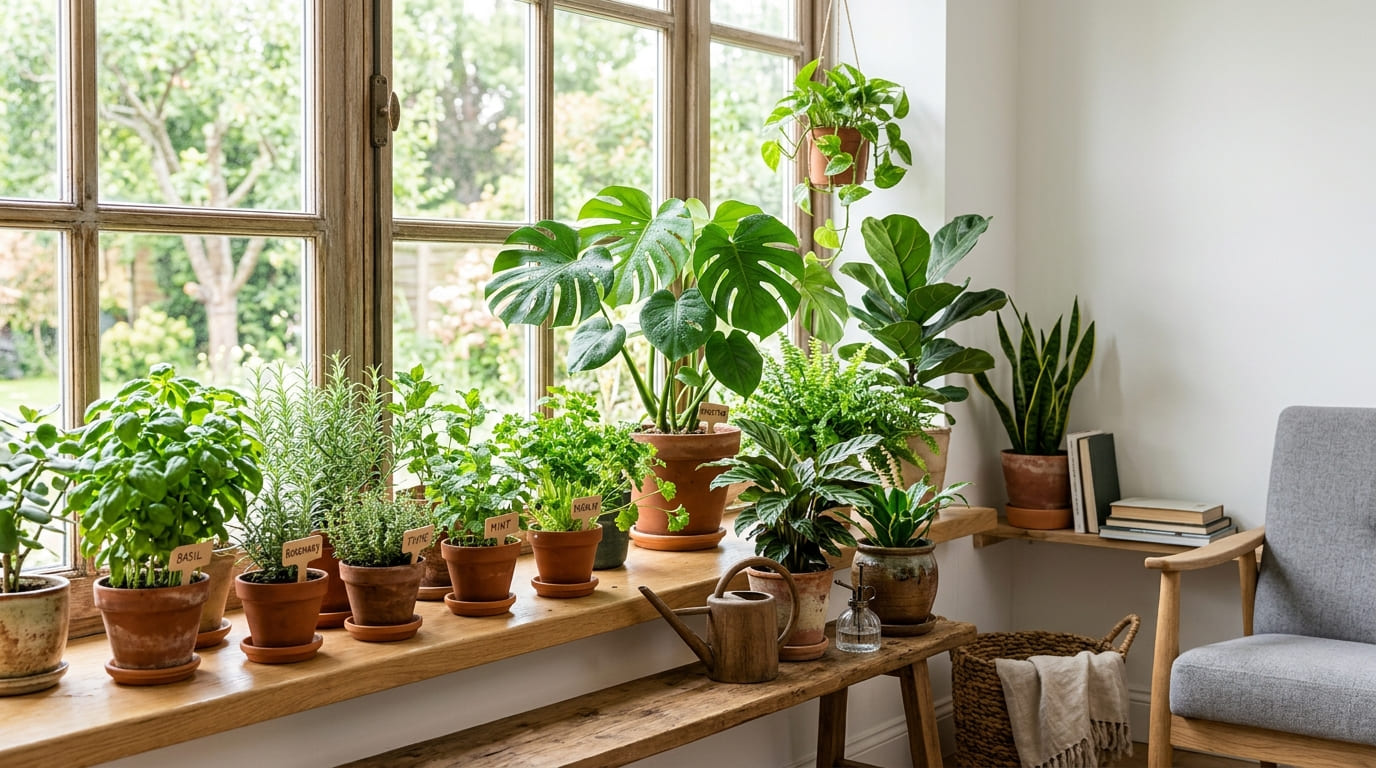
Plants need room for healthy growth and good air circulation. Avoid placing too many plants tightly together, especially in areas with limited airflow.
Leave enough space around leaves and containers so you can easily inspect and care for each plant.
7. Keep Leaves Clean
Indoor plants can collect dust on their leaves. Gently cleaning leaves when appropriate can help keep plants looking fresh and allows you to inspect them more easily.
While cleaning, look closely for unusual spots, insects, or damaged leaves that may indicate a plant-care problem.
8. Watch for Pests and Plant Stress
Regular observation is an important part of indoor gardening. Check leaves, stems, and the soil surface regularly for signs of pests or stress.
- Look for unusual spots or discoloration.
- Check the undersides of leaves.
- Watch for insects or sticky residue.
- Pay attention to sudden changes in growth.
9. Create a Simple Care Routine
You do not need to spend hours caring for indoor plants. A simple, consistent routine can help you remember watering, cleaning, checking plants, and rotating containers when appropriate.
Keep It Simple
Instead of following a complicated schedule, regularly observe your plants and respond to what they actually need.
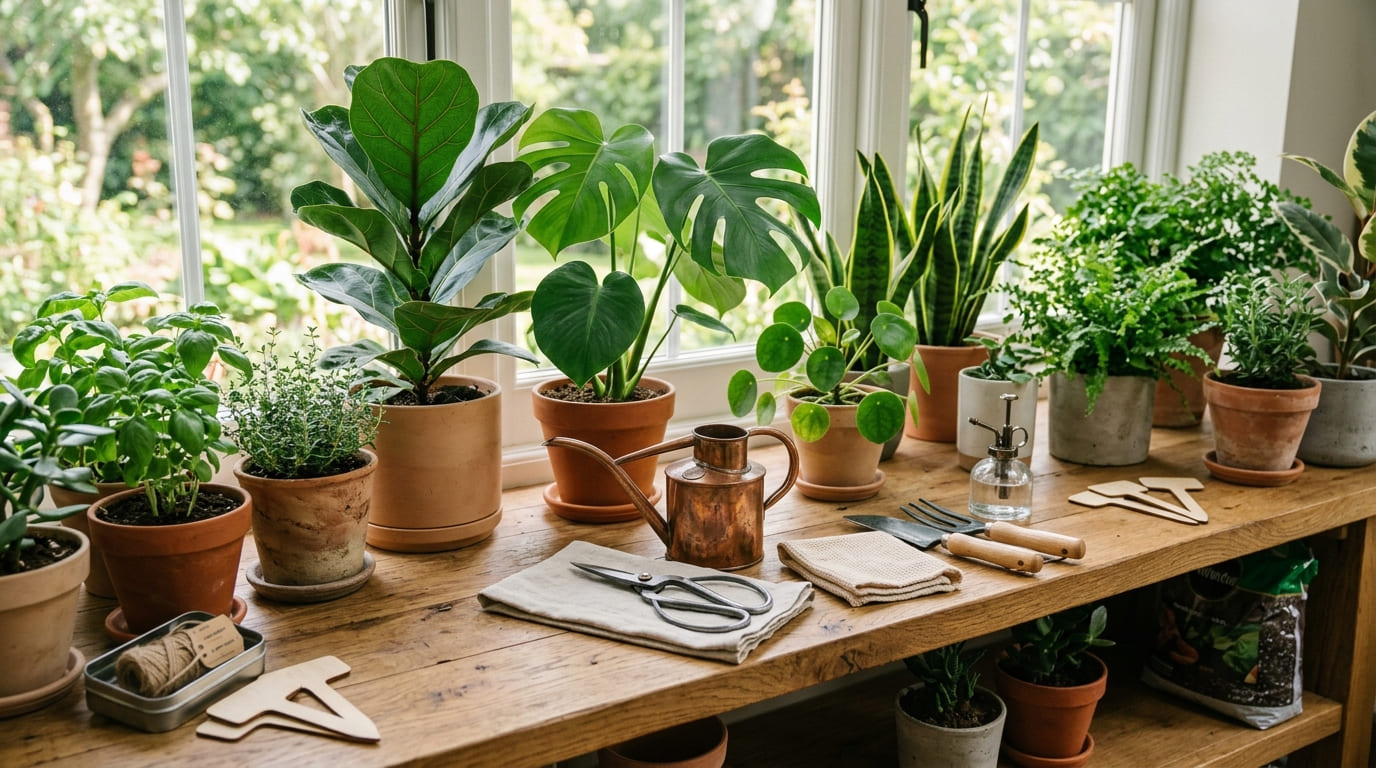
10. Make Your Indoor Garden Sustainable
Indoor gardening can also support a more sustainable lifestyle. Reuse suitable containers, avoid unnecessary purchases, choose durable tools, and take care of plants properly so they can thrive for longer.
You can also grow useful herbs or edible plants indoors when your space and conditions allow it.
Indoor Gardening Checklist
Before You Start
- Choose a suitable location.
- Check the available natural light.
- Select beginner-friendly plants.
- Choose containers with proper drainage.
- Use a suitable indoor growing medium.
During Plant Care
- Check soil moisture regularly.
- Watch for pests and plant stress.
- Clean leaves when appropriate.
- Give plants enough space.
- Adjust care according to plant needs.
Common Indoor Gardening Mistakes
Beginners often make the same few mistakes when starting an indoor garden. The most common include watering too frequently, placing plants in unsuitable light, choosing containers without drainage, and trying to grow too many plants at once.
Keep your setup simple and learn the needs of each plant. Over time, observing your plants will help you become more confident.
Why Indoor Gardening Is Worth Trying
Indoor gardening can make your living space feel greener and more connected to nature. It can also give you an enjoyable way to learn about plants without needing a large outdoor garden.
Whether you have a sunny windowsill or a larger indoor space, you can start with just a few plants and gradually build your collection.
Final Thoughts
Successful indoor gardening starts with understanding your plants. Provide suitable light, use the right containers and growing medium, water carefully, and observe your plants regularly.
Start small, keep your routine simple, and give yourself time to learn. With consistent care, your indoor garden can become a beautiful part of your home.
Start Your Indoor Garden Today
Choose a few beginner-friendly plants, create the right conditions, and enjoy bringing more natural greenery into your home.
Explore Indoor GardeningGet Greener Ideas
Join our newsletter for weekly eco-living tips, gardening guides, and DIY projects.
Related Articles
More in Indoor Gardening
10 Easy Indoor Gardening Ideas for a Greener Home
Discover easy indoor gardening ideas to grow herbs, vegetables, and beautiful plants at home—even with limited space.